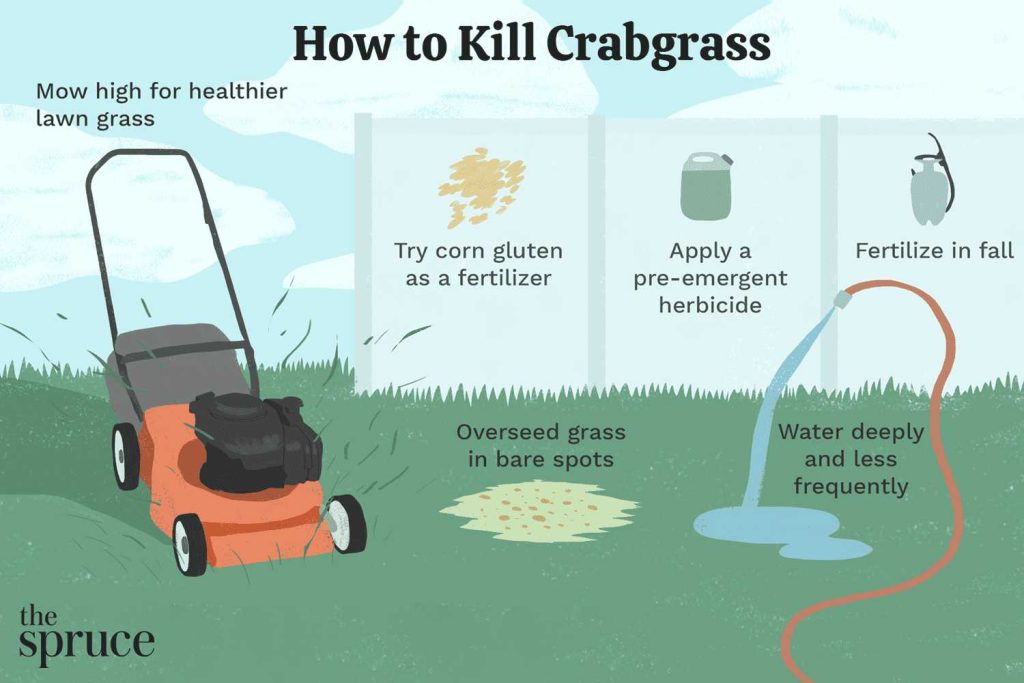
Yes, you can kill crabgrass in the fall, and doing so can help prevent it from returning stronger the next season. Fall treatments target crabgrass as it begins to die back naturally, making it an ideal time to control the weed before winter sets in. Applying the right herbicide or implementing overseeding strategies in the fall can significantly reduce crabgrass infestations come spring. Timing and proper methods are key to effectively managing crabgrass during this season.
If you’re wondering whether fall is the right time to eliminate crabgrass, the answer is yes. Fall offers a strategic window to tackle this stubborn weed because it is actively weakening as the weather cools. By taking action now, you can set your lawn up for a healthier, crabgrass-free future, reducing the chances of a rampant invasion next year. Understanding how to handle crabgrass in the fall can save you time and effort in maintaining a lush, green lawn.

Can You Kill Crabgrass in the Fall? A Complete Guide
Understanding Crabgrass Growth Cycle
Crabgrass is a stubborn weed that thrives during warm weather. It typically germinates in late spring and early summer and spreads quickly across lawns. Knowing its growth cycle is essential to determine the best time to control or kill crabgrass.
During fall, crabgrass begins to weaken as temperatures drop. Its life cycle slows down, but some weeds may still be present and active. Recognizing when crabgrass is most vulnerable can help you plan effective removal strategies during this season.
Is Fall the Right Time to Kill Crabgrass?
Many homeowners wonder if fall is suitable for crabgrass control. The short answer is yes, but with specific considerations. Fall can be an ideal time to eliminate crabgrass because the weeds are often entering dormancy, making them easier to kill.
However, effectiveness depends on the methods used and the timing. Applying control measures too early may miss the opportunity to target mature weeds, while applying too late might allow crabgrass to produce seeds for next year. Proper timing during late fall, after the weeds have stopped actively growing, yields the best results.
Methods to Kill Crabgrass in Fall
1. Post-Emergent Herbicides
Post-emergent Herbicides can effectively target existing crabgrass. These chemicals work by destroying the weed’s foliage, preventing seed production, and weakening the plant.
When choosing herbicides, look for products containing quinclorac, fenoxaprop, or clethodim, which are particularly effective against crabgrass. It’s best to spray when crabgrass is still green and actively growing, but not during extreme cold or frost.
Applying herbicides in the fall helps prevent crabgrass from going to seed, reducing the chance of future infestations. Follow label instructions carefully to avoid damaging your lawn.
2. Pre-Emergent Herbicides
Pre-emergent herbicides create a barrier that prevents crabgrass seeds from sprouting. Usually applied in early spring, fall application can also reduce seed germination for the following year.
Applying pre-emergents in late fall, after the last signs of active crabgrass growth, can help create a barrier before winter. This approach is particularly effective if you want to control crabgrass before it produces seeds in late spring.
3. Manual Removal
Manual removal is a simple, eco-friendly way to eliminate crabgrass. Pulling weeds by hand is most effective when the soil is moist, which makes uprooting easier.
Ensure to get the entire root system to prevent regrowth. Regular inspection and removal during fall can help control crabgrass populations over time. This method requires patience but is environmentally safe and cost-effective.
Optimal Timing for Fall Crabgrass Control
Timing plays a vital role in successfully killing crabgrass during fall. The ideal window is usually after the first frost when weeds stop actively growing but before they produce seeds.
Monitoring your lawn for signs of dormancy helps determine the right moment. Generally, late October to early November is suitable in many regions, but this varies depending on local climate conditions. Applying control measures during this window maximizes effectiveness and helps prevent future weed growth.
Factors Influencing Fall Crabgrass Control
Weather Conditions
Weather impacts the success of crabgrass control measures. Cold temperatures can slow or prevent herbicide absorption, reducing effectiveness.
Choose days with mild, dry weather when applying chemicals or manually removing weeds for best results. Avoid applying herbicides before frost or during heavy rain, which can wash away the products or reduce their efficacy.
Soil Health and Lawn Care
Healthy lawns are less susceptible to weed invasion, including crabgrass. Proper fertilization, aeration, and watering promote strong turf grass.
A dense, vigorous lawn crowds out weeds naturally, decreasing the need for chemical control. Fall is an excellent time to aerate and overseed to improve overall lawn health and reduce crabgrass problems next season.
Prevention Strategies for Next Year
Preventing crabgrass in the future involves a combination of strategies. Apply pre-emergent herbicides early in spring to create a weed barrier before crabgrass germinates.
Maintaining a thick, healthy lawn is crucial. Proper mowing height, regular watering, and fertilization discourage crabgrass from establishing. Consistent lawn care throughout the year reduces the likelihood of future infestations during the following seasons.
Additional Tips for Effective Fall Crabgrass Control
- Always read and follow product labels for herbicide applications.
- Apply weed control treatments during calm weather to avoid drift and uneven coverage.
- Combine manual removal with chemical treatments for best results.
- Rake and remove dead crabgrass after treatment to prevent seed dispersal.
- Water your lawn lightly after applying herbicides, if recommended, to activate the chemicals.
Related Topics to Consider
Best Lawn Care Practices for Crabgrass Prevention
Implementing good lawn maintenance routines helps keep crabgrass at bay. Proper mowing height, fertilization, and watering are key components.
Other Common Lawn Weeds and Control Strategies
Identify and manage weeds like dandelions, clover, and chickweed using tailored control methods. Understanding their growth habits complements crabgrass eradication efforts.
Organic Alternatives for Weed Control
If you prefer eco-friendly options, consider organic weed control methods such as corn gluten meal or vinegar-based solutions. These can be effective when combined with proper lawn care.
Understanding Local Climate and Weed Management
Climate impacts the timing and success of weed control. Consult local gardening resources to adapt your weed management strategies for your area.
By understanding the growth cycle of crabgrass and using the right control methods during fall, you can reduce its presence and prevent it from coming back next season. Fall offers a strategic window to weaken existing weeds and set the stage for a healthier, crabgrass-free lawn.
How to Kill Crabgrass Without Affecting Your Lawn Fast & Easy
Frequently Asked Questions
Is fall a good time to apply herbicide for crabgrass control?
Applying herbicide in the fall can be effective because crabgrass seeds are still vulnerable before they set hard, overwintering in the soil. However, it’s important to choose a herbicide that targets crabgrass specifically and follow the instructions carefully. Fall application can help reduce the seed bank for the following season, but it should be part of an integrated weed management plan.
Will killing crabgrass in the fall prevent it from growing next spring?
Yes, applying treatments in the fall can help diminish crabgrass populations for the next growing season. By targeting the weed before it produces seeds and before the soil freezes, you prevent new plants from establishing and reduce seed dispersal, leading to a less severe infestation in spring.
What methods are most effective for controlling crabgrass in the autumn?
Effective methods include applying pre-emergent herbicides before soil temperatures drop too low and removing existing crabgrass manually. Combining chemical treatments with proper lawn care practices, such as aeration and overseeding, boosts your chances of controlling the weed during the fall months.
Final Thoughts
You can indeed kill crabgrass in the fall by applying a selective herbicide designed for this purpose. Fall treatments target crabgrass seeds and prevent germination for the next season.
Timing is crucial; applying herbicide early in the fall ensures better results before the first frost.
While pulling crabgrass manually helps, combining it with fall herbicide applications offers the best control.
Can you kill crabgrass in the fall? Yes, with proper timing and the right product, you can effectively manage crabgrass before it dies back naturally in winter.