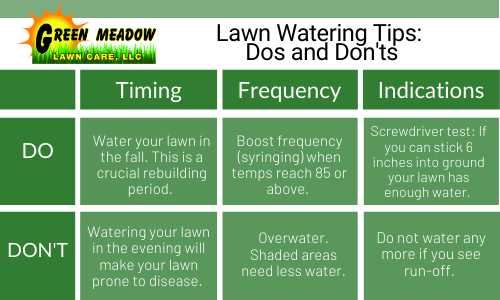
Water your lawn deeply and infrequently during summer, usually about once or twice a week, to keep it healthy and green. Consistent, thorough watering encourages deep root growth, making your grass more drought-resistant. Keep in mind, factors like soil type, grass variety, and weather conditions influence the ideal watering schedule for your yard.
During hot summer months, knowing how often to water your lawn can seem tricky, but the key is balance. Overwatering can lead to shallow roots and disease, while underwatering stresses your grass and causes brown patches. Typically, watering about once or twice a week, providing around 1 to 1.5 inches of water each session, is sufficient. To determine the exact needs, observe your grass, check soil moisture, and adjust based on heatwaves or rainfall. Proper watering not only keeps your lawn lush and vibrant but also promotes resilience against the summer heat.

How often should you water lawn in summer
Knowing how often to water your lawn in summer is key to keeping it healthy and green. It’s not just about watering frequently but doing so correctly. Proper watering helps the grass grow strong and withstand the heat and dry spells.
Understanding the Watering Needs of Your Lawn
Every lawn is different based on grass type, soil, and climate. Usually, grass needs about 1 to 1.5 inches of water weekly during summer months. This amount encourages deep root growth and keeps the grass hydrated.
It’s essential to measure how much water your sprinkler delivers for accurate watering. The goal is to moisten the soil deeply without causing runoff or puddles. A simple way is to place a jar or can in the lawn and see how long it takes to fill to the 1-inch mark.
Why Deep Watering is Better Than Frequent Shallow Watering
Deep watering encourages roots to grow downward, making the grass more drought-tolerant. Shallow watering leads to shallow roots, which can stress the lawn during hot days. Deep watering once or twice a week is preferable to daily shallow sprinklings.
This method ensures the entire root zone gets enough moisture. It also reduces water waste and prevents fungal diseases that thrive in overly moist shallow soil.
Factors Impacting How Often You Should Water
Soil Type
Different soils hold water differently. Sandy soil drains quickly, so it may need watering more often. Clay soil retains water longer, so less frequent watering is necessary. Knowing your soil type helps set a proper watering schedule.
Grass Type
Some grass varieties like Bermuda or Zoysia are drought-tolerant and need less frequent watering. Others, like Kentucky Bluegrass or Fescue, prefer more consistent moisture. Adjust your watering based on your grass type for healthy growth.
Temperature and Humidity
Hotter temperatures and low humidity increase water needs. During heatwaves, your lawn might need an additional watering session. Keep an eye on weather forecasts and adapt your schedule accordingly.
Sun Exposure
Lawns in full sun dry out faster than shaded areas. If parts of your yard are shaded, they might require less frequent watering. Adjust your schedule to match sun exposure for even, healthy growth.
Common Summer Watering Schedules
- Twice a week: During hot, dry periods, watering twice a week provides enough moisture for healthy grass.
- Once a week: If there’s some natural rainfall or cooler weather, once a week might suffice.
- Every 3 to 4 days: In extreme heat or drought conditions, watering more often may be necessary to prevent stress.
Always assess your lawn’s condition to determine if adjustments are needed. Overwatering can lead to health issues, while underwatering stresses the grass.
Best Time of Day to Water in Summer
The ideal time to water your lawn in summer is early morning. Between 4 a.m. and 8 a.m., temperatures are cooler, and winds are calmer. This minimizes evaporation and ensures water reaches the roots effectively.
Avoid watering late in the evening, as excess moisture can promote fungal growth. Midday watering results in rapid evaporation, making it less effective and wasting water.
Adjusting Watering Based on Weather Conditions
When Rain Is Abundant
If rain provides over an inch of water, skip your scheduled watering. This prevents overwatering and reduces water waste. Use a rain gauge to accurately measure rainfall.
During Heatwaves and Dry Spells
Increase watering frequency to compensate for increased evaporation. For example, water every 3 to 4 days to prevent your lawn from drying out. Keep monitoring soil moisture levels to avoid underwatering.
Monitoring Soil Moisture
Use a soil moisture sensor or simply insert a screwdriver into the soil. If it goes in easily and feels moist several inches down, your lawn likely has enough water. If it’s dry, it’s time to water.
Signs Your Lawn Needs Water
- Grayish or bluish appearance: Indicates drought stress.
- Footprints remain visible: Grass isn’t bouncing back after walking on it.
- Wilting or curling grass blades: Shows lack of water.
- Slow recovery after mowing: The grass doesn’t spring back quickly.
Check these signs regularly, especially during peak summer heat, to ensure your lawn stays healthy and lush.
Tips for Efficient Summer Watering
- Use a timer: Program your sprinkler to water during optimal hours. This guarantees consistent watering and saves time.
- Water deeply and infrequently: Avoid daily shallow watering, which can damage roots and promote disease.
- Apply mulch around your lawn edges: Mulch helps retain soil moisture and reduces evaporation.
- Check your sprinklers regularly: Ensure even coverage and fix any leaks or blockages.
Potential Problems from Incorrect Watering
Overwatering can lead to fungal diseases, shallow roots, and increased weed growth. Conversely, underwatering causes grass to turn brown, become patchy, and weaken. Striking the right balance is vital for a healthy lawn.
Remember, consistency in watering habits helps your lawn adapt better to summer stress.
Additional Resources and Tools for Summer Lawn Care
- Rain gauges: Measure rainfall to avoid overwatering.
- Soil moisture meters: Track soil hydration levels accurately.
- Sprinkler timers: Automate watering sessions to save effort and ensure consistency.
- Weather apps: Keep up with local weather forecasts to plan watering accordingly.
Adapting your watering schedule based on these tools and tips helps maintain a healthy lawn throughout summer. Regular observation and adjustment are key to summer lawn success.
Summer watering tips/ watering lawn in summer heat
Frequently Asked Questions
What signs indicate that my lawn needs more frequent watering during summer?
If your grass begins to turn dull or bluish, or if footprints stay visible on the lawn after walking, these are signs that your lawn isn’t receiving enough water. Additionally, if the soil feels dry several inches below the surface, it’s time to increase watering frequency to keep the roots healthy.
How does soil type affect how often I should water my lawn in summer?
Clay soils tend to retain water longer, so you might water less frequently but more deeply. Sandy soils drain quickly, requiring you to water more often to ensure the roots get adequate moisture. Understanding your soil type helps you schedule watering sessions that promote healthy growth without overwatering.
Are there specific times of day when watering is most effective in summer?
Watering early in the morning proves most effective because it allows moisture to reach the roots while minimizing evaporation. Avoid watering during the hottest parts of the day or late in the evening to reduce the risk of disease and ensure the water penetrates deeply into the soil.
How can I determine the right amount of water to give my lawn during summer?
Apply about 1 to 1.5 inches of water per session, ensuring it penetrates at least 6 inches into the soil. Use a rain gauge or shallow containers to measure the water amount, and check soil moisture regularly to avoid overwatering or underwatering.
What impact does mowing height have on watering needs in summer?
Keeping your grass slightly taller during summer helps shade the soil and retain moisture, reducing the frequency of watering needed. Taller grass also encourages deeper root growth, making your lawn more resilient to dry conditions.
Final Thoughts
How often should you water lawn in summer depends on several factors like soil type, grass variety, and weather conditions. Typically, lawns need about an inch of water weekly, spread out over two or three sessions. Deep watering encourages roots to grow deeper, making the grass more drought-resistant.
During hot months, monitor your lawn for signs of dryness, such as wilting or a bluish hue. Adjust your watering schedule accordingly to keep the soil consistently moist but not waterlogged.
In conclusion, the key to summer lawn care is consistent, deep watering. How often should you water lawn in summer? Usually, watering 2-3 times a week suffices, but always adapt based on your lawn’s specific needs.