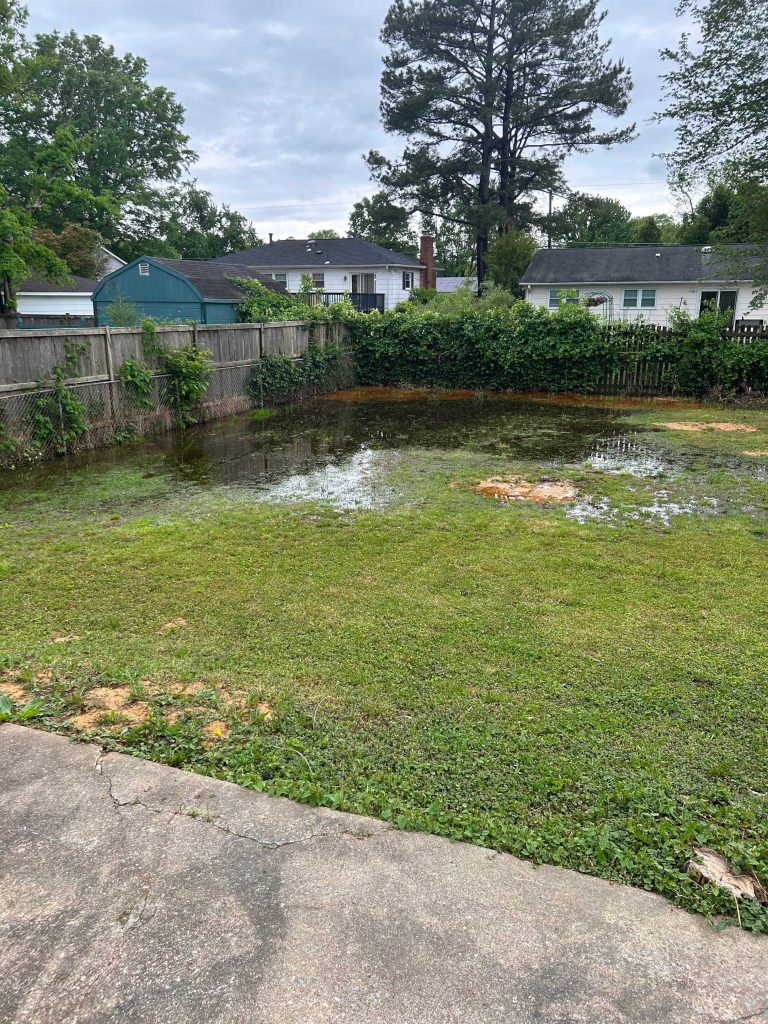
Looking to improve your lawn’s health without breaking the bank? Building a DIY lawn aerator at home for under 20 dollars is easier than you might think! Aerating your lawn is crucial for promoting healthy grass growth, allowing water, nutrients, and air to reach the roots effectively. Fortunately, you don’t need to invest in expensive equipment. With a few simple tools and materials you likely have on hand or can easily source, you can create an effective aerator in no time. Let’s dive into some creative hacks that will help you achieve a lush, vibrant lawn while sticking to your budget. You’ll be amazed at how a little effort can make a big difference!

DIY Lawn Aerator Hacks Build One at Home for Under 20 Dollars
Maintaining a healthy lawn can become quite an investment when you consider the costs of professional services and equipment. However, with some creativity and resourcefulness, you can create your own lawn aerator at home for less than twenty dollars. This article will guide you through the steps to build an effective DIY lawn aerator while exploring the basics of lawn aeration, materials needed, and a few innovative hacks to enhance your project.
Understanding Lawn Aeration
Before diving into how to build your own lawn aerator, it’s important to understand what lawn aeration is and why it’s beneficial. Aeration involves perforating the soil with holes to improve air, water, and nutrient penetration to the roots.
When soil is compacted, grass struggles to access essential resources. Aerating your lawn can lead to:
- Improved root growth
- Enhanced water absorption
- Better drainage
- Reduced soil compaction
- Stronger disease resistance
With these benefits in mind, let’s explore how to make an affordable lawn aerator.
Materials Needed for Your DIY Lawn Aerator
Creating a DIY lawn aerator is simple and requires minimal materials. Here’s a list of what you will need:
- Wooden board or steel plate
- Metal spikes or old golf clubs
- Drill and appropriate drill bits
- Rope or straps for handling
- Measuring tape
- Paint or sealant (optional)
With these materials on hand, you are ready to get started on building your very own lawn aerator.
Step-by-Step Instructions to Build Your DIY Lawn Aerator
Building your own lawn aerator can be a fun project. Here is a simple step-by-step guide to help you through the process:
Step 1: Decide on the Design
Select a design that suits your lawn size and personal preference. You can choose either a handheld aerator or a larger, tow-behind model.
For a small to medium-sized yard, a handheld model is manageable. For larger lawns, you might consider a model that you can attach to a lawn mower.
Step 2: Preparing the Base
Start by cutting a wooden board or steel plate to the desired size. A good size is about 2 feet by 2 feet, which is easy to maneuver.
Drill holes evenly spaced around the surface using a drill. These holes will be where you will insert the spikes.
Step 3: Adding the Spikes
Choose your spikes or repurpose old golf clubs for this project.
Insert the spikes through the drilled holes, ensuring they stick out at least 2 to 3 inches. This length is optimal for aerating the soil effectively.
Step 4: Securing the Spikes
Once the spikes are in place, secure them with nuts and washers. If you are using wooden spikes, you might use adhesive to secure them further.
Ensure everything is tightly fastened to avoid any accidents.
Step 5: Attaching a Handle
If you are making a handheld aerator, attach a sturdy handle to the top of the base. You can use a wooden dowel or a solid piece of PVC pipe.
Attach it using screws or straps for extra security.
Step 6: Test Your Aerator
Before you head out to aerate your lawn, test the aerator on a small patch of grass.
Make adjustments if necessary. Ensure that the spikes penetrate the soil effectively without excessive effort.
Innovative Hacks for Your DIY Lawn Aerator
To enhance the effectiveness of your aerator, consider the following innovative hacks:
Using Weight for Better Penetration
If the spikes are not penetrating deeply enough, you can add weight to the top of the board.
This can be done by attaching bags of sand or bricks securely. Increased weight helps the spikes to penetrate compacted soil more easily.
Spiked Shoes
An even simpler alternative to your DIY aerator is to use spiked shoes.
You can attach metal spikes to a pair of old shoes. However, ensure they are securely fastened to avoid slips. This is a fun way to aerate while walking around your lawn.
Seasonal Aeration
Aerating in the right season makes a huge difference.
Early fall or spring is often the best time to aerate your lawn. During these seasons, grass is growing actively, and the roots benefit most from aeration.
Maintenance of Your DIY Lawn Aerator
Proper maintenance ensures the longevity of your DIY lawn aerator. Here are some maintenance tips:
- Clean the aerator after each use to remove any dirt or grass residue.
- Inspect the spikes regularly for wear and replace them as needed.
- Store it in a dry area to prevent rust if using metal components.
Taking care of your tools will keep them effective for many seasons to come.
Cost-Effectiveness of DIY Lawn Aerators
One of the most appealing aspects of a DIY lawn aerator is the cost. You can create a functional tool for less than twenty dollars, saving hundreds compared to hiring professionals.
Here’s a breakdown of potential costs for each component:
| Item | Estimated Cost |
|---|---|
| Wooden board or steel plate | $5 |
| Metal spikes or old golf clubs | $5 |
| Drill and bits | $5 |
| Rope or straps | $3 |
| Paint or sealant (optional) | $2 |
| Total | $20 |
With these costs in mind, a DIY lawn aerator is not just budget-friendly but also customizable to fit your needs.
The Environmental Benefits of Lawn Aeration
Aerating your lawn doesn’t just contribute to a lush green yard; it also has environmental advantages.
A healthy lawn contributes to improved air quality by converting carbon dioxide into oxygen. Additionally, aerated lawns can utilize water more effectively, reducing runoff and conserving water resources.
Building a DIY lawn aerator is a practical and economical solution to maintaining a healthy lawn. With minimal materials and a little bit of effort, you can enjoy the benefits of a lush, green yard without breaking the bank. Embrace the project, and you’ll have a sense of pride in your handiwork while keeping your lawn in top shape. Happy aerating!
Why did he kill this grass!?
Frequently Asked Questions
“`html
How can I aerate my lawn without buying expensive equipment?
You can easily aerate your lawn at home by using common tools and materials. For instance, you can create a simple lawn aerator by attaching metal spikes or old garden forks to a sturdy board. Walking on this setup over your lawn allows the spikes to penetrate the soil, promoting air and nutrient flow without spending much money.
What materials do I need to build a DIY lawn aerator?
To build a DIY lawn aerator, you will need a sturdy board, some metal spikes, screws, a drill, and possibly a hammer. You can repurpose old tools like garden forks or even use PVC pipes to create an effective aeration tool. Gather these materials, and you should be able to keep costs under $20.
Can I rent equipment if I don’t want to build an aerator?
Yes, many local hardware stores and garden centers offer rental equipment, including lawn aerators, at an affordable price. This option allows you to aerate your lawn without the commitment of purchasing equipment. Just ensure you return it promptly to avoid extra fees.
How often should I aerate my lawn for the best results?
Aerating your lawn once a year typically suffices for most grass types. However, you may want to aerate more frequently if your lawn experiences heavy foot traffic, is clay-heavy, or shows signs of compaction. Spring or fall are the best seasons for aeration, as grass is actively growing during these times.
Is lawn aeration effective for all types of grass?
Lawn aeration benefits most grass types, especially cool-season grasses like Kentucky bluegrass and tall fescue, and warm-season grasses like Bermuda and zoysia. Regardless of the type, if your grass struggles with compaction or poor drainage, aeration can help improve its health and growth.
What should I do after aerating my lawn?
After aerating, you should water your lawn thoroughly to help the soil recover and the grass roots to absorb nutrients. Additionally, consider applying a fertilizer or overseeding your lawn to enhance growth. Avoid heavy foot traffic for a few days to allow the aeration holes to heal.
“`
Final Thoughts
Building a DIY lawn aerator at home for under 20 dollars is both practical and cost-effective. With simple materials and a little creativity, you can enhance your lawn’s health without breaking the bank.
These DIY Lawn Aerator Hacks Build One at Home for Under 20 Dollars not only save money but also provide a rewarding project. Regular aeration improves soil structure and promotes healthy grass growth, making your yard the envy of the neighborhood.
Embrace these hacks and enjoy a lusher, greener lawn with minimal investment. Taking action today will lead to a thriving outdoor space tomorrow.