You should mow your lawn weekly during the growing season, but the exact frequency depends on grass type and weather. In general, aim for cutting no more than one-third of the grass height at a time to keep your lawn healthy and lush.
Regular mowing is key to maintaining a beautiful, healthy lawn. The ideal frequency varies based on the type of grass you have, recent weather patterns, and how quickly your grass grows. During peak growing periods, weekly mowing often works best, but in cooler or less active seasons, every two weeks might suffice. Always keep your mower blades sharp and avoid cutting too short, as this can stress your grass and invite weeds. By paying attention to your lawn’s growth rate and adjusting your mowing schedule accordingly, you’ll enjoy a vibrant, well-kept yard all season long.

How Often Do You Need to Mow the Lawn
Understanding the Basics of Lawn Growth
Every lawn grows at a different pace based on various factors like grass type, weather, and soil conditions. Generally, healthy grass grows about half an inch per week during peak growing seasons. Knowing your grass type helps determine how often you should mow.
Assessing Your Grass Type for Mowing Frequency
Different grasses require different mowing schedules. For example, cool-season grasses like Kentucky bluegrass or fescue tend to grow faster in spring and fall. Warm-season grasses like Bermuda or Zoysia grow primarily in summer and might need more frequent mowing during peak growth.
Cool-season grasses
- Grow actively during spring and fall
- Require mowing every 5 to 7 days during peak growth
- Slow down in summer or winter
Warm-season grasses
- Greens primarily in late spring through summer
- Need mowing every 4 to 7 days during active growth
- Growth slows in cooler months
Seasonal Changes and Their Impact on Mowing
Your mowing schedule changes with the seasons. During active growth months, lawns require more frequent cuts. In winter or dormant periods, mowing can be reduced or paused altogether.
Spring
Grass begins to grow faster. Mow weekly to keep grass at a healthy height.
Summer
Growth may slow depending on climate. Adjust mowing frequency accordingly, but generally once a week suffices.
Fall
Growth increases again, especially in cool-season grasses. Maintain a weekly schedule to prevent thatch buildup.
Winter
Most grass enters dormancy. Mowing becomes unnecessary unless you have warm-season grasses in a warm climate.
How to Determine the Right Mowing Frequency
A simple rule is to mow often enough so that you never remove more than one-third of the grass blade at a time. This promotes healthy growth and prevents stress on the grass.
Measuring Your Grass Height
- Use a ruler or grass blade to measure height
- Ideal mowing height varies with grass type
- Adjust frequency to maintain this height
Monitoring Grass Appearance
If your grass looks overgrown or uneven, it’s time to mow. Healthy lawns appear lush and even, with no brown or patchy areas.
Tools and Techniques for Optimal Mowing
Proper tools and mowing techniques can influence how often you need to mow. Sharp blades cut grass evenly and prevent tearing, reducing stress on the lawn.
Selecting the Correct Mower
- Push mowers for small lawns
- Rotary mowers for larger areas
- Consider reel mowers for fine, closely cut grass
Best Practices for Mowing
- Never cut more than one-third of the grass height at once
- Change mowing direction regularly to prevent soil compaction
- Keep mower blades sharp for clean cuts
Impact of Mowing Frequency on Lawn Health
Mowing too often or too infrequently can harm your grass. Too frequent mowing stresses the plant, while infrequent mowing can lead to thatch buildup and weed invasion.
Benefits of Proper Mowing Schedule
- Promotes dense, healthy growth
- Reduces pest and disease issues
- Supports even color and texture
Signs You Are Mowing Too Often or Not Enough
- Over-mowing causes brown patches and weak grass
- Infrequent mowing leads to tall, unruly grass and thatch accumulation
Special Considerations for Different Lawn Conditions
Your mowing routine might vary depending on special conditions like shade, soil type, or foot traffic. Understanding these factors helps tailor your schedule for the best results.
Shaded Areas
Grass may grow slower in shaded zones. Mow less frequently, but keep blades sharp for healthy growth.
High Foot Traffic Zones
- Worn areas may need more frequent mowing to prevent overgrowth
- Consider aerating soil regularly to improve grass recovery
Poor Soil or Drainage Issues
Weak grass may require less frequent mowing to avoid stressing fragile roots. Improving soil quality helps establish a manageable mowing schedule.
Additional Tips for Maintaining a Healthy Lawn
In addition to mowing, other practices support a healthy, attractive lawn. Proper watering, fertilizing, and aerating complement your mowing routine.
Watering
Deep, infrequent watering encourages roots to grow deeper. Avoid daily shallow watering to prevent excessive grass growth and disease.
Fertilizing
Apply appropriate fertilizer based on grass type and season. Proper nutrition supports consistent growth and reduces the need for frequent mowing.
Aerating
Loosening compacted soil enhances air, water, and nutrient flow. Aeration promotes healthier turf that can be mowed more efficiently.
Tips for Managing Your Mowing Schedule
Sticking to a regular mowing routine simplifies lawn care. Keep a calendar or reminder to track growth patterns and adjust as needed.
Create a Mowing Routine
- Set a weekly schedule during peak seasons
- Adjust frequency based on grass growth rate
- Be flexible to accommodate weather changes
Adjust for Weather and Rain
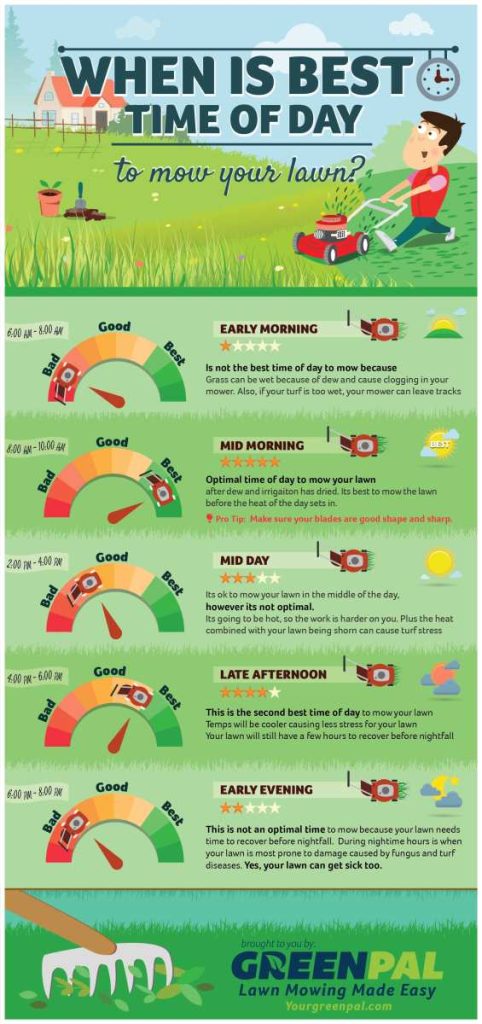
Wet grass can clog mowers and lead to uneven cuts. Mow when grass is dry, and slow down in rainy weather to prevent turf damage.
Summary of Optimal Mowing Frequencies
| Grass Type | Growing Season | Frequency | Ideal Height |
|---|---|---|---|
| Cool-season grasses | Spring and Fall | Every 5 to 7 days | 2.5 to 3 inches |
| Warm-season grasses | Late Spring to Summer | Every 4 to 7 days | 1.5 to 2.5 inches |
| Dormant season grasses | Winter | None or minimal | Not applicable |
Knowing how often to mow your lawn depends on various factors including grass type, season, and local climate. Regular mowing at the right height keeps your lawn healthy, lush, and attractive. Adjust your schedule based on growth rate, weather conditions, and lawn use to maintain an inviting outdoor space that you can enjoy year-round.
How Often Should You Mow The Lawn?
Frequently Asked Questions
How does the growth rate of your grass influence how often you should mow?
If your grass grows quickly, you will need to mow more frequently to keep your lawn healthy and neat. During peak growing seasons like spring and early summer, weekly mowing is often necessary. Conversely, if your grass grows slowly or the weather is dry, you can extend the interval and mow every two weeks or as needed to maintain the desired height.
What signs indicate it’s time to mow the lawn again?
You should mow when the grass reaches about one-third taller than the recommended height for your grass type. Additionally, if the grass starts to look uneven or begins to bend under its own weight, it signals that mowing is overdue. Regularly checking your lawn will help you determine the right time to cut and prevent the grass from becoming too long or unmanageable.
How does seasonal change affect mowing frequency?
As seasons change, your mowing schedule should adapt accordingly. During spring and summer, the grass tends to grow faster, requiring more frequent mowing. In fall and winter, growth slows down, so mowing can be less frequent or even paused. Monitoring your lawn’s growth during these times helps you decide when to mow and avoid cutting more than necessary.
Can environmental conditions impact how often I need to mow?
Yes, weather conditions like rain, heat, and drought significantly influence grass growth. Excessive rain can promote rapid growth, leading to more frequent mowing. In contrast, prolonged dry periods may slow growth, allowing you to extend the intervals between mowing. Keeping an eye on weather patterns helps you adjust your mowing routine to maintain a healthy lawn.
How does the type of grass affect the mowing schedule?
The specific grass variety in your yard determines how often you should mow. Some grasses, such as Bermuda or Zoysia, grow faster and require more frequent mowing, typically weekly during the active season. Cool-season grasses like Kentucky bluegrass or fescue grow more slowly and may need mowing every two weeks or less. Understanding your grass type helps you create an effective mowing plan.
Final Thoughts
The frequency of mowing your lawn depends on the grass type and growth rate. During peak growing seasons, you may need to mow weekly to keep the grass healthy and neat. In cooler months, extending this interval is acceptable.
Knowing how often do you need to mow the lawn helps maintain a lush and healthy yard. Regular mowing prevents overgrowth and encourages strong, vibrant grass. Adjust your schedule as needed to suit your lawn’s specific needs.