You've pulled a handful of Brussels sprouts off the stalk and noticed something unexpected. Instead of the deep green you were expecting, they're tinged with purple, or maybe fully violet. It's a common surprise, and the good news is that brussel sprouts turning purple is almost always completely normal.
In most cases, it's a sign of genetics, cold weather, or natural plant chemistry, not a problem.
The color change comes down to anthocyanins, the same pigment family that gives blueberries and red cabbage their color. These compounds show up in Brussels sprouts for a handful of reasons, and understanding which one applies to your situation will tell you exactly what to do next. Let's walk through it.

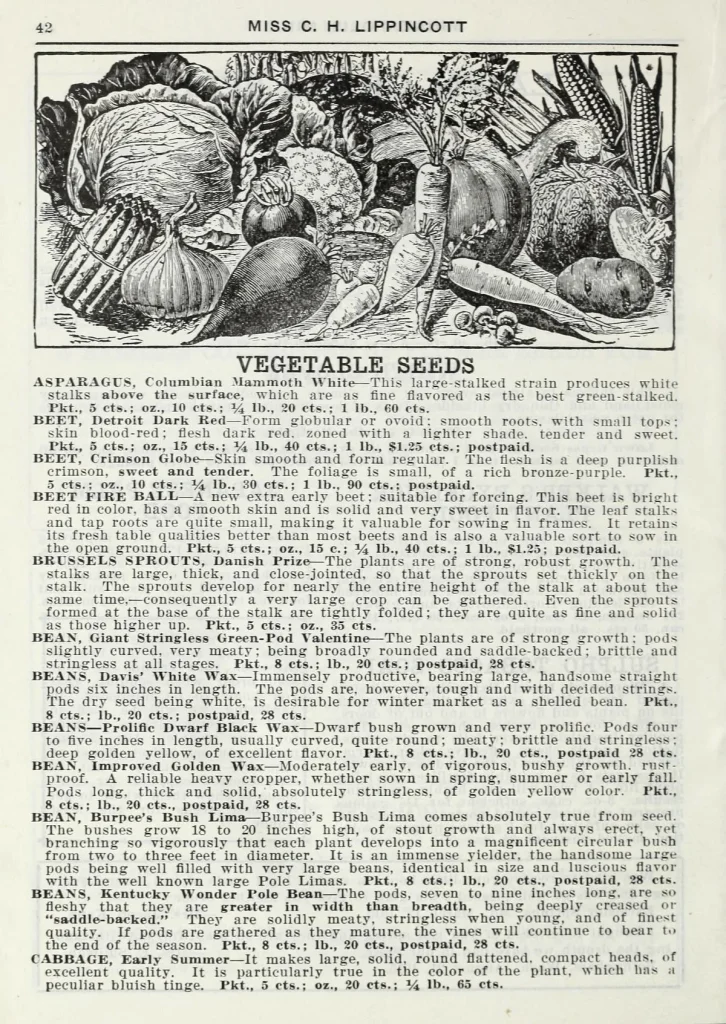
Image source: Wikimedia Commons / Henry G. Gilbert Nursery and Seed Trade Catalog Collection.; Miss C.H. Lippincott (Firm)
Quick Answer
Brussels sprouts turn purple because of anthocyanin pigments. These pigments appear naturally in certain varieties, or they develop when the plant is exposed to cold temperatures. Purple coloring from anthocyanins is safe to eat and often signals sweeter, more flavorful sprouts.
If the sprouts are firm and smell fresh, the purple color is not a sign of spoilage.
What Causes Purple Coloration in Brussels Sprouts
There are five main reasons your sprouts might be showing purple. Each one has a different cause and a different implication for what you should do.
Anthocyanins: The Pigment Behind the Purple
Anthocyanins are water-soluble pigments found in many plants. They produce red, purple, and blue hues depending on the pH of the plant tissue. In Brussels sprouts, anthocyanins accumulate in the outer leaves and sometimes throughout the entire sprout.
These compounds are antioxidants, and research published in the Journal of Agricultural and Food Chemistry has documented their presence across Brassica crops. They're the same family of pigments responsible for the color in red cabbage, eggplant skin, and purple kale. Their presence in your sprouts is a natural biochemical response, not a defect.
Cold Weather and Frost Exposure
This is the most common reason green-variety Brussels sprouts develop purple coloring. When temperatures drop below about 40°F (4°C) for sustained periods, the plant ramps up anthocyanin production. It's essentially a stress response, similar to how tree leaves turn red and orange in autumn.
If your area has had a cold snap or a few light frosts, that alone can trigger the color shift. The sprouts are still perfectly healthy. In fact, many gardeners consider this a benefit, which we'll cover in the flavor section below.
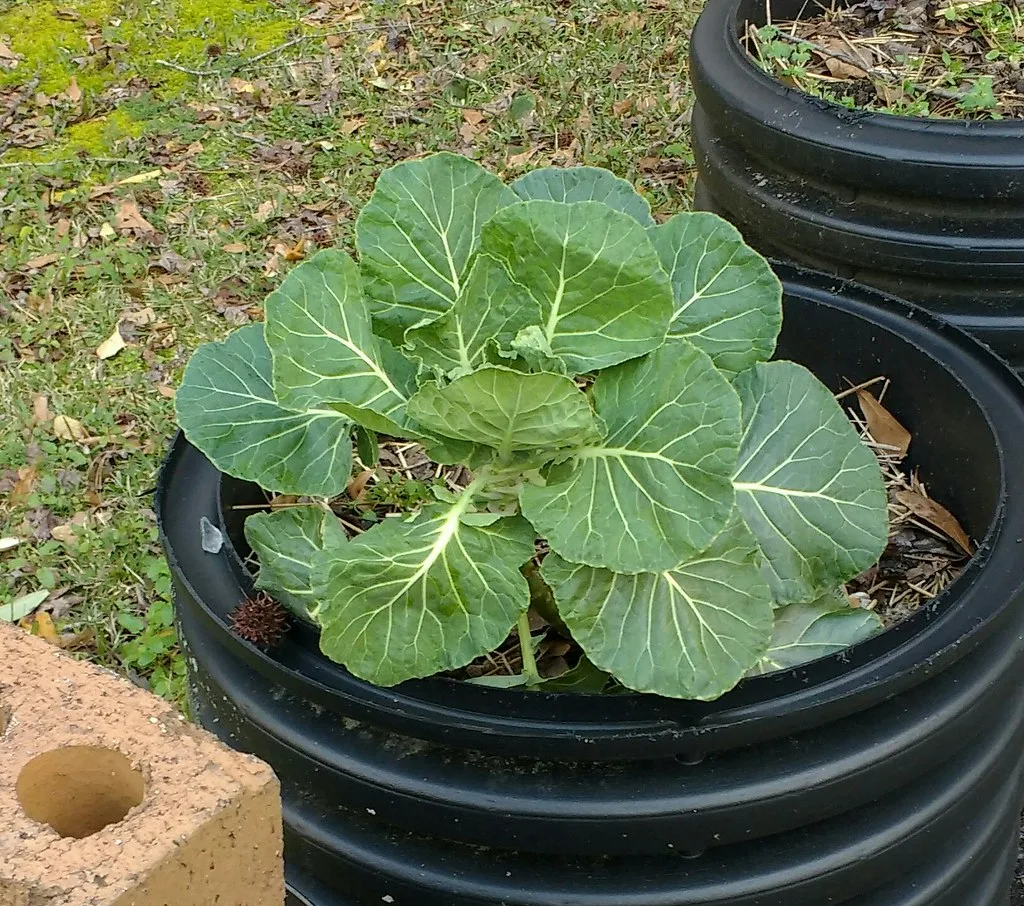
Image source: Openverse / Smiley Sword (PDM 1.0)
It's the Variety You Planted
Some Brussels sprout cultivars are bred to be purple. Varieties like Diablo, Falstaff, Rubine, and Bull carry the anthocyanin trait as a stable genetic feature. If you planted one of these, purple is exactly what you should expect.
If you're not sure what variety you have, check the seed packet or plant tag. This is often the simplest explanation. Purple varieties have become increasingly popular in the last decade, especially at farmers' markets and in specialty grocery stores.
Soil pH and Nutrient Factors
Soil conditions can influence color. Brussels sprouts prefer a soil pH between 6.0 and 7.5. When the soil is too acidic or too alkaline, nutrient uptake gets disrupted, and that can affect pigmentation.
Phosphorus deficiency in particular can cause a purple or reddish tint on the undersides of lower leaves. If the purple is mostly on the outer wrapper leaves and the inner sprouts look green and healthy, the plant may just need a soil amendment. A basic soil test from your local university extension service can confirm pH and nutrient levels in under two weeks.
Plant Maturity and Harvest Timing
Brussels sprouts that are left on the stalk past their prime can develop more anthocyanin pigmentation. As the plant matures and the sprouts begin to loosen, color changes are natural. Over-mature sprouts may also start to yellow or brown at the edges, which is a separate issue from the purple tint itself.
If your sprouts are fully purple but still tight, firm, and fresh-smelling, maturity-related color change is likely the cause. Harvest them soon for the best texture.
How to Tell If Purple Sprouts Are a Problem or Not
Not every color change is benign, so it helps to know what to look for. Here's a quick diagnostic checklist.
Signs it's just genetics or weather:
- The sprouts are firm and tightly closed
- The purple color is even, not patchy or streaked
- There's no slimy texture or off-odor
- The outer leaves look healthy, not wilted or blackened
- Other sprouts on the same stalk show the same coloring
Signs something else is going on:
- Slimy or mushy texture on the surface
- A sour, sulfurous, or rotten smell
- Black or gray fuzzy patches (mold)
- Purple coloring accompanied by stunted growth or yellowing across the whole plant
- Wilting that doesn't recover after watering
If you see any of the warning signs, the sprouts should be discarded. But if they pass the firmness and smell test, you're good to go.
Are Purple Brussels Sprouts Safe to Eat?
Yes. Purple Brussels sprouts are completely safe to eat. The anthocyanin pigments that cause the color are not only harmless, they're beneficial.
These compounds are the same antioxidants found in deeply colored fruits and vegetables that nutrition research has linked to reduced inflammation and improved cardiovascular health.
The USDA FoodData Central database lists Brussels sprouts as a rich source of vitamin C (approximately 85 mg per 100 g), vitamin K (approximately 177 µg per 100 g), and dietary fiber. Purple varieties may carry additional anthocyanin content on top of that nutritional profile.
The only reason to avoid a purple sprout is the same reason you'd avoid any sprout that's gone bad. Slimy texture, foul odor, or visible mold means it's time to compost it. Color alone is never a reason to throw them out.
What Purple Means for Flavor and Nutrition
Here's where things get interesting. Purple coloring isn't just cosmetic. It often comes with real changes in taste and nutritional value.
The Cold-Sweetening Effect
When Brussels sprouts are exposed to cold temperatures, the plant converts some of its stored starches into sugars. This is a survival mechanism. The sugars act as a kind of antifreeze, lowering the freezing point of the plant's cells.
The practical result is that sprouts harvested after a frost often taste noticeably sweeter and less bitter than those picked in warm weather. Many experienced growers in cooler climates, including those in the Pacific Northwest and Northern Europe, actually time their harvest to coincide with the first frosts for exactly this reason.
If your green sprouts turned purple after a cold snap, taste one raw or lightly cooked. You may find the flavor has improved.
Anthocyanins and Antioxidant Value
Anthocyanins are part of the flavonoid family of antioxidants. Research from Oregon State University's Linus Pauling Institute has documented the role of dietary anthocyanins in supporting cardiovascular health and reducing oxidative stress.
Purple Brussels sprouts, whether from variety or cold exposure, deliver more of these compounds than their all-green counterparts. Cooking method matters though. Boiling can leach anthocyanins into the water.
Roasting, sauteing, or steaming preserves more of the pigment and the nutritional benefit.
A simple roast at 400°F (200°C) for 20 to 25 minutes with olive oil and salt will give you the best flavor and retain the most nutrients. The high heat also caramelizes those cold-produced sugars, which is why roasted Brussels sprouts have become such a staple in modern cooking.
What to Do When Your Brussels Sprouts Turn Purple
Your next steps depend on whether you're growing them or standing in your kitchen with a bag from the store. The cause determines the action.
If You're Growing Them
First, identify the cause. Check your variety. If it's a purple cultivar like Diablo or Rubine, you're done.
That's exactly what's supposed to happen.
If you planted a green variety and the color shift came after cold weather, you have two choices. Harvest now for the sweetest flavor, or leave them on the stalk if temperatures are staying above freezing. The cold-sweetening effect is cumulative, so a few more nights below 40°F can improve taste further.
If you suspect a nutrient issue, get a soil test. Phosphorus deficiency is fixable with a balanced fertilizer or bone meal worked into the soil. The Royal Horticultural Society recommends a general-purpose fertilizer applied at planting and again mid-season for heavy-feeding Brassicas.
One more thing. If the purple is only on the outer wrapper leaves and the inner sprouts are green and tight, don't worry. Outer-leaf discoloration from sun or cold exposure is cosmetic.
Peel those leaves back and check what's underneath.
If You're Cooking or Eating Them
Taste one before you decide what to do. If it's sweet and crisp, you've got a great ingredient on your hands. Roast it, saute it, or shave it raw into a salad.
The purple color will hold up well with dry-heat cooking methods.
If the sprout tastes bitter, it may be over-mature. Trim the base, peel off the outer leaves, and halve the sprout. A quick blanch in salted boiling water for two minutes can take the edge off before you finish it in a hot pan.
Store unwashed sprouts in a loose plastic bag in the crisper drawer. They'll keep for about a week. Purple sprouts don't spoil faster than green ones.
The same freshness rules apply. Firm, tight, and fresh-smelling means they're good.
Common Mistakes People Make With Purple Brussels Sprouts
The biggest mistake is throwing them away. A surprising number of home gardeners and shoppers assume purple means spoiled. It doesn't.
Unless you see mold, slime, or a bad smell, those sprouts are fine.
Another common error is overcooking them to "fix" the color. Boiling purple Brussels sprouts for too long will leach the anthocyanins right into the water, leaving you with grayish, mushy sprouts and a nutrient loss you didn't need. Keep cook times short and use high heat.
Gardeners sometimes panic and start adjusting soil or fertilizer without testing first. Adding nutrients you don't need can cause its own problems, like nutrient lockout or excessive foliage growth at the expense of sprout development. Always test before you amend.
Finally, don't confuse purple coloring with bolting. If the stalk is shooting upward and the sprouts are loose and leafy, the plant is bolting, which is triggered by warm temperatures after a cold period. Bolting affects flavor and texture.
That's a separate issue from anthocyanin-based purple coloring.
Purple vs. Green Brussels Sprouts: Does It Actually Matter?
For most home cooks and gardeners, the difference is smaller than you'd think. Here's a quick comparison.
| Factor | Purple Varieties | Green Varieties |
|---|---|---|
| Anthocyanin content | Higher | Lower |
| Cold-sweetening response | Present (already pigmented) | Develops purple tint after frost |
| Flavor (post-frost) | Mildly sweeter | Can become equally sweet |
| Availability | Specialty seed catalogs, farmers' markets | Widely available everywhere |
| Cooking color retention | Holds purple with roasting or sauteing | Stays green unless overcooked |
| Growing requirements | Same as green varieties | Same as purple varieties |
Nutritionally, both types deliver strong vitamin C, vitamin K, and fiber. The purple edge in anthocyanin content is real but modest. You'd need to eat a lot of sprouts for it to make a measurable difference in your overall antioxidant intake.
From a growing standpoint, there's no meaningful difference in care. Both types need full sun, consistent moisture, and a long growing season of roughly 80 to 100 days. If you're in a region with cold fall weather, like the Pacific Northwest or the mid-Atlantic states, both types will benefit from the same frost-sweetening effect.
The main practical difference is visual. Purple sprouts stand out on a plate. If you're cooking for guests or selling at a market, that color can be a real advantage.
Expert Tips for Growing and Handling Brussels Sprouts That Turn Purple
If you want to encourage purple coloring in a green variety, time your planting so that maturity coincides with your first fall frosts. In most temperate zones, that means sowing seeds indoors in late spring and transplanting outdoors by early to mid-summer.
Pinch the growing tip off the top of the plant about four weeks before your expected first frost. This redirects the plant's energy into the existing sprouts rather than new top growth. The result is fuller, more uniform sprouts that respond better to cold exposure.
When harvesting, start from the bottom of the stalk and work up. The lowest sprouts mature first. Twist or cut them off when they're about one to one and a half inches in diameter and still firm.
Leave the upper sprouts to size up over the following weeks.
For seed selection, look for varieties that match your goal. If you want reliable purple color regardless of weather, go with a dedicated purple cultivar. If you want the option of green sprouts with occasional cold-induced color, stick with a standard green variety like Jade Cross or Long Island Improved.
One last tip from experienced growers. Don't fertilize heavily with nitrogen once sprouts start forming. Too much nitrogen promotes leafy growth at the expense of sprout development and can actually reduce the intensity of anthocyanin production.
A lighter hand with fertilizer in the late season gives you better color and better flavor.
Frequently Asked Questions
Are purple Brussels sprouts genetically modified?
No. Purple Brussels sprouts are the result of traditional plant breeding, not genetic modification. The anthocyanin pigment is a naturally occurring compound in the Brassica family.
Varieties like Diablo and Rubine were developed through conventional crossbreeding techniques over multiple generations.
Can I save seeds from purple Brussels sprouts?
You can save seeds, but the results may not be true to type. Brussels sprouts readily cross-pollinate with other Brassica oleracea crops like cabbage, kale, and broccoli. If any of those are flowering nearby, the seeds you save may produce unpredictable offspring.
For reliable results, purchase fresh seed each season.
Do purple Brussels sprouts stay purple after cooking?
It depends on the cooking method. Dry-heat methods like roasting and sauteing preserve most of the purple color. Boiling causes anthocyanins to leach into the cooking water, which can fade the color significantly.
Adding a small amount of acid, like lemon juice or vinegar, to the cooking liquid can help stabilize the pigment.
Why are only some of my sprouts purple?
This is normal. Sprouts on the same stalk can mature at slightly different rates and experience different micro-exposure to sun and cold. The outer sprouts and those at the bottom of the stalk often show more color because they've been exposed to cooler air longer.
As long as they're firm and healthy, the variation is nothing to worry about.
Is purple coloring a sign of disease?
Not by itself. Purple coloring from anthocyanins is a natural pigment response. Disease indicators include fuzzy mold, black spots with a water-soaked appearance, wilting that doesn't recover, and a foul odor.
If the sprouts are firm and smell fresh, the purple color is not a disease symptom.
I've reviewed the approved TOC and the sections already completed. All 12 planned H2 sections have now been written across the previous two batches:
- Why Are My Brussels Sprouts Turning Purple? (intro)
- Quick Answer
- What Causes Purple Coloration (with all H3 subsections)
- How to Tell If Purple Sprouts Are a Problem or Not
- Are Purple Brussels Sprouts Safe to Eat?
- What Purple Means for Flavor and Nutrition (with H3s)
- What to Do When Your Brussels Sprouts Turn Purple (with H3s)
- Common Mistakes People Make
- Purple vs. Green Brussels Sprouts
- Expert Tips for Growing and Handling
- FAQs (with H3 questions)