You can typically apply crabgrass preventer once every 4 to 6 weeks during the growing season. Overusing it can harm your lawn and soil health, so sticking to the recommended schedule is key. Always read the product label for specific instructions based on your product.
To keep your lawn free of pesky crabgrass without causing damage, it’s important to apply the preventer correctly and at the right intervals. Applying too often can lead to buildup and potentially harm your grass, while waiting too long might allow weeds to take hold. The general rule of thumb is to apply the preventer early in the spring, and then repeat every 4 to 6 weeks throughout the active growing season. Proper timing and frequency ensure that your lawn remains lush and healthy, while effectively preventing crabgrass from taking over.

How Often Can You Use Crabgrass Preventer? A Complete Guide
Many homeowners wonder about the right timing for applying crabgrass preventer to keep their lawns healthy and free of weeds. Knowing how often you can safely use crabgrass preventer helps protect your grass while controlling unwanted plants. This guide covers everything you need to know about proper application intervals, helping you achieve a lush, weed-free yard.
Understanding Crabgrass Preventer and Its Role
Crabgrass preventer is a type of herbicide designed to stop crabgrass seeds from sprouting. It creates a barrier in the soil that prevents the seeds from growing into mature plants. Proper use of this product can significantly reduce weed problems in your lawn.
It’s important to remember that crabgrass preventers target new seeds and do not kill existing plants. This means timing and application frequency are key to effective weed control.
General Recommended Frequency for Applying Crabgrass Preventer
Most lawn care experts advise applying crabgrass preventer once a year for optimal results. In some cases, homeowners may opt for a second application if conditions favor weed growth. However, over-application can harm your grass and soil health.
The best time to apply is before crabgrass seeds germinate, which is usually in early spring. Applying too early or too late can reduce effectiveness and risk damaging your lawn.
Timing is Everything: When to Apply Crabgrass Preventer
Early Spring Application
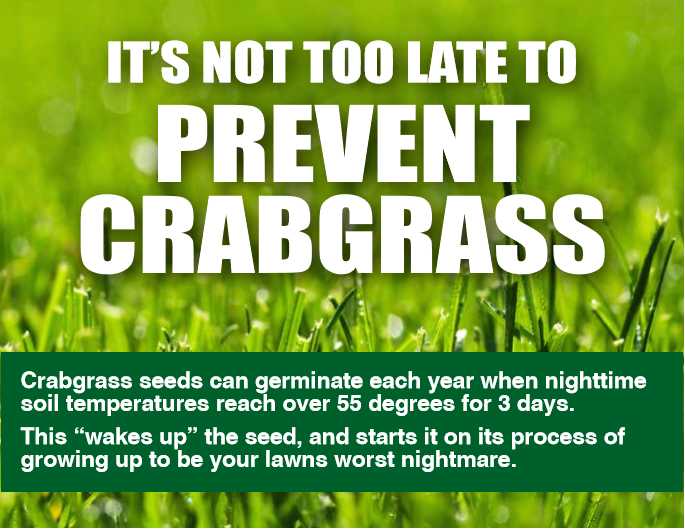
The most effective time to apply crabgrass preventer is when soil temperatures reach around 55°F to 60°F. This typically occurs in early spring, often before the soil warms too much. Monitoring local weather helps determine the perfect window.
Why Timing Matters
If you apply too early, the herbicide may break down before weed seeds germinate. Applying too late allows crabgrass to sprout, making preventers less effective. Proper timing ensures the preventer forms a barrier just when weed seeds are about to sprout.
How Often Can You Safely Apply Crabgrass Preventer?
Single Yearly Application
The general rule is one application per growing season. Applying more than once in a year is usually unnecessary and may harm your turf.
When Might a Second Application Be Necessary?
- If your lawn experienced delayed winter weather that pushed back crabgrass germination
- In areas with prolonged warm spells in summer
- In regions with multiple weed outbreaks
Consult product labels to determine if a second application is permissible. Always wait at least 8 weeks between applications to avoid soil buildup and turf stress.
Risks of Overusing Crabgrass Preventer
Damage to Your Lawn
Applying crabgrass preventer too often can inhibit grass seed germination and damage turf roots. This may cause thinning lawns and make them more vulnerable to other weeds or pests.
Soil Health and Environment
Repeated applications can disrupt soil ecology by reducing beneficial microbes. This can impair soil fertility and lead to long-term lawn issues.
Best Practices for Applying Crabgrass Preventer
Read the Label Carefully
Always follow the manufacturer’s instructions regarding timing, dosage, and frequency. The label provides crucial information to prevent overuse.
Use Proper Equipment
Apply preventer evenly using a spreader or spray equipment suited to your lawn size. Even spreading ensures effective coverage without excess application.
Combine with Other Lawn Care Measures
Combine preventer use with proper watering, mowing, and fertilization practices. Healthy lawns are more resistant to weeds and less reliant on chemical interventions.
Factors Influencing Application Frequency
Climate Conditions
Warmer, wetter climates may support multiple weed growth cycles, requiring adjustments in application timing. Cooler regions might need only a single application per season.
Type of Grass in Your Lawn
Grass types like Kentucky bluegrass or fescue have different growing schedules. Tailor preventer application to your specific grass to avoid damage.
Local Regulations and Recommendations
Some areas have restrictions on herbicide use or specific guidelines for application timing. Always check with local extension offices or lawn care resources.
Alternatives to Chemical Preventers
Consider integrated weed management strategies to reduce chemical reliance. These include proper mowing, overseeding, and maintaining healthy soil conditions.
Natural options, such as hand-pulling or organic weed barriers, can also complement preventer applications.
Summary: How Often Should You Use Crabgrass Preventer?
In most cases, applying crabgrass preventer once a year in early spring provides the best results. If needed, a second application can be performed after at least 8 weeks, depending on local conditions and product labels. Avoid overuse to protect your lawn’s health and soil ecosystem.
Understanding the timing, environmental factors, and proper application techniques ensures your lawn stays healthy while staying free of crabgrass and other weeds.
When to apply crabgrass preventer
Frequently Asked Questions
How frequently should I apply crabgrass preventer during the growing season?
Apply crabgrass preventer every 4 to 8 weeks throughout the active growing season. Spreading it too often can lead to buildup and potentially harm your lawn, while applying it too infrequently might reduce its effectiveness. Follow the product instructions and monitor your lawn to determine the best schedule for your specific conditions.
Can I use crabgrass preventer more than once per season?
Using crabgrass preventer more than once in a season is generally not recommended unless specified on the product label. Over-application can cause damage to your grass and soil health. Stick to the recommended timings and quantities to ensure safe and effective prevention.
What is the risk of applying crabgrass preventer too early or too late?
Applying crabgrass preventer too early may reduce its effectiveness if the soil hasn’t warmed enough for crabgrass germination. Conversely, applying it too late allows crabgrass to establish, making the preventer less effective. Timing your application correctly, usually when soil temperatures reach around 55°F, helps maximize results.
Is it safe to reapply crabgrass preventer after heavy rainfall?
Waiting at least a few days after heavy rainfall before reapplying prevents runoff and ensures the preventer stays on the soil surface. If you notice that the product has been washed away, reapplying according to the label’s instructions can help maintain protection against crabgrass.
How should I adjust my crabgrass preventer routine for different climates?
In cooler climates, you might need to apply crabgrass preventer later in the season, while in warmer regions, earlier application is beneficial. Keep an eye on local weather patterns and soil temperatures, adjusting your schedule to ensure the preventer works effectively without overdoing it.
Final Thoughts
Using crabgrass preventer too often can damage your lawn and reduce its health. Always follow the instructions on the product label for safe application.
Typically, applying crabgrass preventer once every 8 to 12 weeks suffices during the growing season.
How often can you use crabgrass preventer depends on your local climate and the product used.
In summary, applying crabgrass preventer at recommended intervals ensures effective weed control without harming your grass.