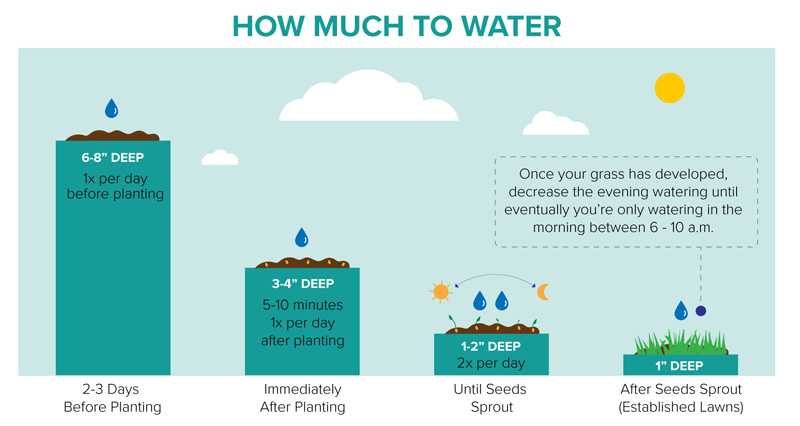
When it comes to watering grass seed, the key is consistency. Ideally, you should water lightly but frequently, about 2 to 3 times a day, for the first couple of weeks. This helps keep the soil moist without drowning the seeds, which is crucial for germination. As the grass begins to establish itself, you can gradually reduce the frequency to once a day, and eventually transition to deeper watering sessions every few days. Remember, the goal is to create an environment where the seeds can thrive, so keep an eye on the weather and adjust your watering schedule as necessary. Now, let’s dive into the details on how to effectively care for your new grass seedlings.

“`html
How Often Do You Water Grass Seed?
When you’re establishing a new lawn from grass seed, one of the most important factors to consider is how often you water it. Proper watering is essential for successful germination and growth. Let’s dive into the details to help you understand the watering needs of grass seed.
The Importance of Watering Grass Seed
Watering grass seed is crucial for several reasons. First, water helps to **soften the seed coat**, making it easier for the seeds to absorb moisture. This process kickstarts germination. Second, consistent moisture is necessary for the seedling’s development. Without enough water, the seedlings may struggle or die.
Understanding Grass Seed Germination
Grass seed typically takes about **7 to 14 days** to germinate, depending on the type of grass and environmental conditions. During this phase, it is vital to maintain adequate moisture levels. If the soil dries out too much, seeds may become dormant, and germination can be delayed.
How Often Should You Water Grass Seed?
The frequency of watering grass seed can vary. Generally, you should aim to water **2 to 3 times a day** for the first few weeks. This frequent watering helps keep the top layer of soil moist, promoting seed germination.
Watering Schedule Based on Weather Conditions
– **Hot and Sunny Days**: On particularly warm and sunny days, you may need to water more frequently. Watering in the early morning and late afternoon can prevent evaporation.
– **Cool and Overcast Days**: In cooler weather, you can reduce the frequency of watering. Once or twice a day may be sufficient.
– **Rainy Weather**: If it rains, monitor the moisture levels. You may not need to water at all during this time.
How Long Should You Water Grass Seed?
The duration of watering is just as important as frequency. When first watering newly sown grass seed, aim to water for about **5 to 10 minutes** per session. This duration will ensure that the seeds receive enough moisture without causing runoff.
Tips for Effective Watering
- Use a gentle spray setting to avoid washing away the seeds.
- Check the soil moisture by digging a small hole. The top inch should feel moist but not soggy.
- Avoid watering too heavily, as it can lead to seed displacement.
Using a Soaker Hose or Sprinkler
Using a soaker hose or a sprinkler can make watering easier and more effective. Soaker hoses allow water to seep slowly into the soil, providing consistent moisture. If using a sprinkler, make sure to move it around to cover all areas evenly.
Monitoring Soil Moisture
It’s essential to keep an eye on soil moisture even when using a watering system. You can check soil moisture by pushing your finger into the ground. If it’s dry to your second knuckle, it’s time to water.
Signs of Overwatering or Underwatering
Recognizing the signs of overwatering or underwatering is key to healthy grass growth.
– **Signs of Overwatering**:
– **Mold Growth**: You may notice mold forming on the surface.
– **Yellowing Grass**: Grass may turn yellow and become mushy.
– **Signs of Underwatering**:
– **Dry Spots**: Areas of grass may become brown and crispy.
– **Slow Germination**: Seeds may take longer to sprout.
How to Adjust Watering as Grass Grows
As your grass seedlings develop, you can gradually adjust your watering schedule. Reduce watering frequency to once a day or every other day when the grass reaches about **2 to 3 inches** tall. This change helps encourage deeper root growth.
Watering Established Grass
Once your grass is established, the watering needs change significantly. It’s typically recommended to water established lawns **once a week**, providing about **1 inch** of water per week.
When to Water Established Grass
The best time to water grass is early in the morning. Watering at this time minimizes evaporation and allows grass blades to dry, reducing the risk of disease.
Best Practices for Watering Grass Seed
To summarize, here are some best practices for watering grass seed effectively:
- Water 2 to 3 times daily for the first few weeks.
- Keep the top inch of soil consistently moist.
- Monitor weather conditions to adjust watering frequency.
- Reduce watering frequency as grass grows.
- Water in the early morning for established grass.
Additional Tips for Successful Grass Seed Germination
In addition to proper watering, consider these tips for the best results:
– **Choose the Right Seed**: Select a grass type suitable for your climate and sun conditions.
– **Prepare Your Soil**: Ensure the soil is well-aerated and free of debris.
– **Fertilize Wisely**: A starter fertilizer can give your grass seeds a boost.
Conclusion
Knowing how often to water grass seed can make all the difference in establishing a lush, green lawn. By keeping the right balance of moisture, following best practices, and adjusting your watering routine as needed, you will support healthy growth and enjoy a beautiful lawn for years to come.
“`
3 Phases To Watering New Grass Seeds – How To Do It Properly
Frequently Asked Questions
“`html
What signs indicate that grass seed needs more water?
When the soil surface begins to feel dry and the grass seed appears to be wilting, it often indicates the need for more water. Additionally, if the seedbed looks light in color or feels crumbly, you should consider increasing your watering frequency to promote healthy germination.
How can I tell if I am overwatering grass seed?
Watch for signs of overwatering, such as water pooling on the surface or a mushy texture in the soil. If you notice excessive weed growth or the grass seed fails to germinate properly, these can also signal that you are applying too much water.
How does the weather affect the watering schedule for grass seed?
Weather conditions greatly influence your watering schedule. On hot and sunny days, you may need to water more frequently to keep the seeds moist. Conversely, during rainy periods, you can reduce watering to avoid oversaturation of the soil.
What is the best time of day to water grass seed?
The early morning is the ideal time to water grass seed. At this time, temperatures are cooler, and evaporation rates are lower, allowing the water to penetrate the soil better. This helps ensure that the seeds receive adequate moisture for germination.
Can I use a sprinkler system to water grass seed effectively?
Yes, a sprinkler system can effectively water grass seed if it provides even coverage. Adjust the system to deliver light and frequent watering rather than heavy doses, which can wash away seeds or cause poor germination.
How long does it take for grass seed to germinate with proper watering?
With proper watering and ideal conditions, grass seed typically germinates within 7 to 14 days. However, this can vary based on grass type and environmental factors such as temperature and soil quality.
“`
Final Thoughts
Watering grass seed requires regular attention to ensure successful germination and growth. Typically, you should water the seeds daily, especially during the first couple of weeks. Maintaining consistent moisture helps the seeds sprout and establish strong roots.
As the grass begins to grow, you can reduce watering frequency. However, it’s essential to monitor the soil condition and adjust accordingly. Overall, understanding “how often do you water grass seed” is key to achieving a lush and healthy lawn. Regular care pays off in vibrant green grass.