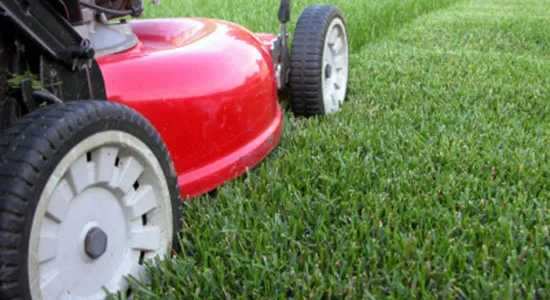
Pay teenagers around $10 to $20 per lawn, depending on size and complexity. Offering between $15 to $20 for larger or more demanding yards is usually fair and motivates them to do a good job.
For mowing the lawn, paying teenagers fairly depends on the size of the yard, the difficulty of the terrain, and local rates. Typically, $10 to $20 per session is reasonable, with larger or more complex lawns earning closer to $20. Setting a fair pay rate not only incentivizes quality work but also teaches teens the value of earning through effort. It’s important to consider what’s customary in your area and to communicate clearly about expectations. Compensation can be hourly, per job, or through a weekly allowance, but ensuring it feels fair to both sides will keep your teen motivated and help develop their work ethic.

How Much to Pay Teenager to Mow Lawn
Understanding the Average Rates for Lawn Mowing
Deciding how much to pay a teen to mow the lawn depends on several factors. The average payment ranges from $10 to $30 per lawn, but this varies by location and yard size. Knowing the typical rates helps you offer a fair and competitive wage.
Factors Influencing Payment Amounts
Several elements can influence how much you should pay. The size of the yard, the difficulty of the terrain, and the local market rates all play roles. Larger yards usually require more time and effort, justifying higher pay.
Determining Fair Payment Based on Yard Size
Lawn size is a key point; smaller lawns (up to 1,000 square feet) might warrant $10 to $15. Medium-sized yards (1,000 to 3,000 square feet) could be $15 to $25. Very large yards (over 3,000 square feet) might need $25 or more.
Pricing for Different Types of Lawn Mowing Tasks
Basic mowing usually costs less, while additional tasks like edging, trimming, or weed whacking increase the price. For example:
- Standard mowing: $10 to $20
- Edging and trimming: $5 to $15 extra
- Full service (mowing, trimming, cleanup): $25 to $50
Regional Variations in Payment
Rates can differ based on your area. In urban regions, prices tend to be higher due to increased living costs. Rural areas might see lower payments because of different labor demands.
What Teenagers Expect and Fair Compensation
Teens often expect between $10 and $20 for an hour of work, but this can vary. Fair pay considers the time, effort, and skill required for the task. Offering a consistent rate helps maintain motivation and trust.
Balancing Cost and Quality
Offering too little may lead to poor lawn care, while paying too much can strain your budget. Set a rate that motivates your teen and ensures the lawn is well-maintained. Consider whether you want to pay hourly or by the job.
Hourly vs. Per-Job Payments
Hourly Payments
Paying by the hour (e.g., $10 to $15 per hour) makes sense for tasks of varying difficulty or when the yard’s size is uncertain.
Per-Job Payments
A fixed price per lawn provides clarity for both sides. It works well for predictable tasks, helping avoid disputes over time spent.
How to Establish a Fair Rate
Start by researching local rates and assessing your yard. Talk to teenagers about their expectations and comfort level. Offer a rate that respects their effort and your budget.
Negotiating the Payment
Good communication is key. Explain how you arrived at the rate and be open to discussion. Flexibility can lead to a better working relationship and more consistent lawn care.
Creating a Pricing Table for Easy Reference
Here’s a simple table to help you decide:
| Yard Size | Typical Payment Range |
|---|---|
| Up to 1,000 sq. ft. | $10 – $15 |
| 1,000 to 3,000 sq. ft. | $15 – $25 |
| Over 3,000 sq. ft. | $25 or more |
Offering Incentives and Bonuses
In addition to basic pay, consider bonuses for excellent work or consistent effort. This encourages teens to take pride in their mowing chores. Small rewards can motivate better performance and reliability.
Addressing Special Cases: Overgrown or Difficult Lawns
If the yard is overgrown or has obstacles, higher wages may be justified. Extra effort requires compensation, and discussing this beforehand prevents misunderstandings. Transparent rates foster fairness.
Legal and Safety Considerations
Make sure your teenager understands safety protocols. Provide equipment and ensure they are comfortable with the tasks. Fair pay also includes providing a safe environment and appropriate tools.
Monitoring and Adjusting Pay Over Time
Revisit the rate periodically, especially if the lawn changes or if the teen gains more experience. A higher wage can reflect improved skills and increased effort.
Summary
In conclusion, the amount you pay a teenager to mow the lawn depends largely on yard size, task complexity, and regional factors. Offering a fair rate encourages good work, builds trust, and keeps your lawn looking great.
**Remember,** balancing affordability with fairness benefits everyone involved. Establish clear expectations, communicate openly, and reward effort to keep your lawn well-maintained and your teen motivated.
How we make 140 DOLLARS an hour MOWING lawns | We're only 12 and 14 years old!
Frequently Asked Questions
What is a fair amount to pay a teenager for mowing the lawn frequently?
For regular lawn mowing, paying a teenager between $10 and $20 per visit is reasonable, depending on the yard size and complexity. Larger or more intricate lawns may warrant a higher rate, while smaller or straightforward lawns can be compensated with the lower end of this range. Consistent rates help establish expectations and motivate reliable service.
How should I determine the appropriate pay for a one-time lawn mowing service?
For a one-time job, consider the size of the lawn and the amount of work involved. Typically, paying between $15 and $40 reflects the effort required. If the lawn is particularly large or has challenging terrain, offering more can reward quality work and ensure the task is completed promptly.
Is it better to pay a flat fee or an hourly rate to a teenager mowing the lawn?
Both options have merits. A flat fee provides clear payment expectations and can motivate the teenager to complete the work efficiently. An hourly rate allows flexibility for lawns that need more time, ensuring you pay for the actual effort involved. Choose the method that best fits the scope of your lawn and your budget.
Should I consider offering bonuses for extra work or excellent service?
Yes, offering bonuses can encourage teenagers to put in extra effort and provide higher quality service. Small incentives for timely completion or meticulous work motivate reliability and attentiveness, fostering a positive working relationship and ensuring your lawn receives the care it deserves.
Final Thoughts
The right payment for a teenager to mow the lawn depends on several factors, including lawn size and local rates. Offering $10 to $20 per hour is common, but adjust based on difficulty and effort.
Consider your teenager’s age and experience, ensuring the payment feels fair to motivate them. Clear expectations and regular pay promote consistency and responsibility.
In conclusion, how much to pay teenager to mow lawn varies, but setting a fair and transparent rate helps maintain a good balance between effort and reward.