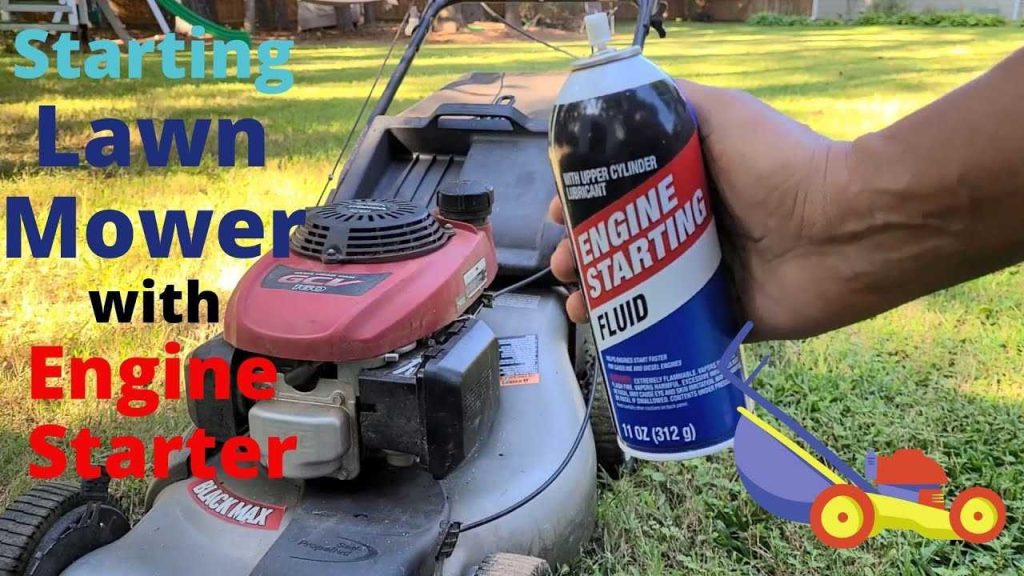
To start a lawn mower with starting fluid, give it a quick spritz into the carburetor or air filter, then pull the starter cord. This method can help ignite a stubborn engine that’s been sitting idle or has trouble starting due to fuel issues. Just a small amount of starting fluid can make all the difference in getting your mower up and running quickly.
Using starting fluid is a handy trick for those tough mornings when your mower just won’t turn over. It works by igniting the engine’s air-fuel mixture more easily, especially if the engine is cold or outdated. However, it’s important to use it sparingly to avoid damage. In this article, we’ll guide you step-by-step on how to safely and effectively start your mower with starting fluid, ensuring you can get back to yard work without frustration.

How to Start a Lawn Mower with Starting Fluid
Using starting fluid can be a quick way to get your lawn mower running, especially if it’s having trouble starting. This method is particularly useful after a long period of inactivity or if the engine is flooded. It’s important to understand the proper way to use starting fluid to avoid damaging your mower.
Understanding Starting Fluid and Its Purpose
Starting fluid is a substance that contains volatile compounds like ether, which ignite easily. It helps ignite the fuel mixture in the engine when other starting methods fail. However, using it properly is crucial to prevent engine damage.
Safety Precautions Before Using Starting Fluid
Always wear protective gloves and goggles when handling starting fluid to avoid skin and eye irritation. Use the fluid in a well-ventilated area to prevent inhalation of fumes. Never spray starting fluid near open flames or sparks.
Preparing Your Lawn Mower Before Using Starting Fluid
Make sure your mower is on a flat surface and turned off. Check the oil and fuel levels to ensure they are within the recommended range. Clear the area of debris and obstructions to prevent accidents during starting.
Step-by-Step Guide on How to Start a Lawn Mower with Starting Fluid
Step 1: Check the Engine
Inspect the engine for any signs of damage or leaks. Ensure the spark plug is clean and properly connected. A faulty spark plug can hinder ignition even with starting fluid.
Step 2: Prepare the Starting Fluid
Remove the safety cap from the starting fluid can. Hold the can upright to prevent leakage. Keep the nozzle about 3 inches away from the carburetor or air intake opening.
Step 3: Spray the Starting Fluid
Press the nozzle to release a small amount of starting fluid directly into the air filter or carburetor opening. Do not overuse; a quick spray is sufficient. Excessive amounts can flood the engine.
Step 4: Attempt to Start the Mower
Get on the mower and turn the ignition key or push the start button. Hold the throttle at a high position to provide ample air. If the engine doesn’t start immediately, wait a few seconds and try again.
Step 5: Let the Engine Run
If the mower starts, let it run for a few minutes to warm up. Avoid revving the engine excessively during this time. If it stalls, you may need to repeat the process carefully.
Additional Tips for Successful Starting
- Use fresh starting fluid to ensure proper ignition.
- Do not use starting fluid repeatedly; it can cause engine damage over time.
- Check the air filter to ensure it’s clean and unobstructed.
- Inspect the spark plug regularly for wear and replace if necessary.
- Ensure the fuel in your mower is fresh; old fuel can cause starting issues.
Common Problems and Troubleshooting
Engine Still Won’t Start
If the mower refuses to start after using starting fluid, check the spark plug, air filter, and fuel quality. The carburetor might need cleaning, or the spark system could be faulty.
Engine Runs Rough or Stalls
This can happen if too much starting fluid was used or if the engine is flooded. Allow the engine to cool, then try starting again with less or no starting fluid.
Engine Damage Prevention
Overusing starting fluid can cause piston and valve damage. Use it only as a last resort and follow the recommended spray amount.
Alternative Methods for Starting a Lawn Mower
If starting fluid isn’t available or you prefer not to use it, ensure the primer bulb is working, check the choke position, and manually inspect the carburetor. Sometimes, cleaning the fuel system can resolve starting issues.
Maintenance Tips to Ensure Easy Starting
- Regularly clean or replace the air filter to improve airflow.
- Change the spark plug periodically for reliable ignition.
- Use fresh gasoline and add fuel stabilizer if storing the mower for long periods.
- Inspect the carburetor for clogs or dirt that may hinder starting.
- Check the fuel lines for cracks or leaks and replace if necessary.
Environmental and Safety Considerations
Using starting fluid responsibly is vital to avoid harmful emissions and potential fire hazards. Store starting fluid in a cool, dry place away from children and pets. Proper disposal of empty cans prevents environmental contamination.
In Summary
Knowing how to properly use starting fluid can make starting a stubborn lawn mower easier and quicker. Always follow safety guidelines and use the fluid in moderation to avoid engine damage. Regular maintenance and inspections help keep your mower in good shape for reliable starts every time.
Lawn mower starting with starting fluid
Frequently Asked Questions
What safety precautions should I take when using starting fluid on my lawn mower?
Before using starting fluid, ensure the area is well-ventilated and free from open flames or sparks. Wear safety gloves and eye protection to avoid contact with the fluid. Always follow the manufacturer’s instructions regarding the amount to use, and avoid over-spraying to prevent potential engine damage. After applying, keep a safe distance and do not attempt to start the mower near heat sources.
How can I prevent damage when applying starting fluid to my lawn mower?
Use the starting fluid sparingly, typically a small amount directly into the carburetor or air filter. Avoid excessive spraying, as too much fluid can cause engine damage or piston failure. Make sure the engine is cool before applying the fluid, and do not use it if the mower has been running hot recently. Properly clean any excess fluid after starting to prevent buildup that could harm engine parts over time.
What are the steps to start a lawn mower with starting fluid if it’s not starting normally?
First, locate the air filter and remove it to access the carburetor. Spray a small amount of starting fluid directly into the carburetor throat. Reattach the air filter, then set the choke and turn on the ignition. Pull the starter cord firmly to start the engine. If the mower still does not start, repeat the process once more, but avoid excessive use of starting fluid. If it still doesn’t begin, check for other mechanical issues.
Can I use starting fluid on all types of lawn mowers?
Starting fluid can be used on most gasoline-powered lawn mowers, including push and riding models. However, avoid using it on mowers with sealed or specialized engines not designed to handle flammable sprays. Always consult your mower’s manual to ensure that using starting fluid won’t damage your engine, especially for older or less common models.
What should I do if my mower starts but then stalls after using starting fluid?
If your mower starts but stalls shortly after, it could indicate issues beyond the starting fluid, such as clogged fuel lines, a dirty carburetor, or low oil levels. Check these components and clean the carburetor if necessary. Ensure the fuel quality is good and that the spark plug is in good condition. If problems persist, consider servicing the engine or seeking professional help for a thorough inspection.
Final Thoughts
To start a lawn mower with starting fluid, first ensure the mower is on a flat surface and the spark plug is disconnected. Spray a small amount of starting fluid into the carburetor, then reconnect the spark plug. Pull the starter cord firmly; the engine should start quickly.
Always use starting fluid sparingly to prevent engine damage. Following these steps helps you start your mower efficiently. Remember, proper application is key to safely starting a lawn mower with starting fluid.