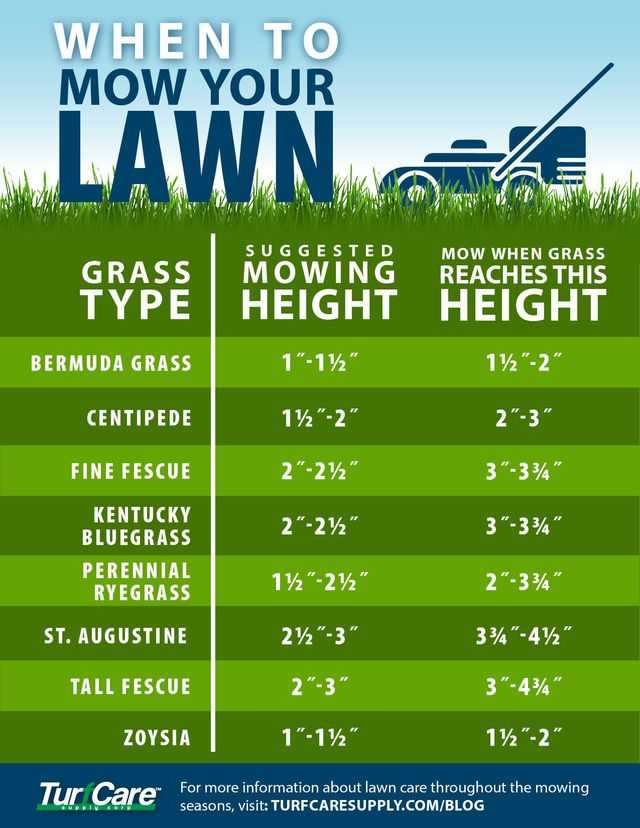
The perfect mowing frequency keeps your lawn lush and healthy—striking a balance between too often and not enough is key. For most lawns, mowing once a week during the growing season is ideal, but this can vary based on grass type, weather, and growth rates. Maintaining this schedule helps prevent overgrowth, promotes dense grass, and keeps your yard looking its best.
In short, mowing once a week generally suffices, but you should adjust based on how quickly your grass grows. Regularly check your lawn’s height and trim it accordingly to maintain a vibrant, thriving yard.
A well-maintained lawn enhances your home’s curb appeal and provides a welcoming outdoor space. The frequency of mowing depends on various factors including grass type, weather conditions, and growth rate. During peak growth periods in spring and summer, weekly mowing is usually recommended to keep your grass at an optimal height. However, if the weather is cooler or grass grows more slowly, you might only need to mow every ten days or so. On the other hand, neglecting regular mowing can lead to uneven, unhealthy turf. Developing a mowing routine tailored to your lawn’s specific needs ensures it remains lush, green, and inviting all season long.

How Often Do You Need to Mow Your Lawn? A Complete Guide
Knowing how often to mow your lawn can seem tricky, especially with so many factors involved. The right mowing schedule keeps your grass healthy, lush, and looking great. In this guide, we will explore everything you need to know about mowing frequency to keep your yard in top shape.
Understanding Your Grass Type and Its Growth Rate
Different grass types grow at different speeds, influencing how frequently you should mow. Cool-season grasses like Kentucky bluegrass and fescue grow vigorously in spring and fall, needing more frequent mowing during these times. Warm-season grasses such as Bermuda and Zoysia grow rapidly in summer, requiring a steady mowing routine.
It’s essential to identify your grass type to develop an appropriate mowing schedule. Additionally, your grass’s growth rate depends on factors like weather, soil health, and turf age. Observe your lawn regularly to see how fast it grows to adjust your mowing schedule accordingly.
Ideal Mowing Frequency Based on Grass Growth
Generally, most lawns should be mowed once a week during peak growing seasons. During periods of slow growth, such as late fall or winter, mowing can be reduced to every two or three weeks. For fast-growing lawns, mowing more often might be necessary to keep the grass healthy and neat.
To determine if you need to mow, check the height of your grass. If it exceeds the recommended height, it’s time for a trim. Maintaining consistent mowing intervals encourages healthy root development and prevents pests and disease.
Signs You Need to Mow More Often
- The grass has grown taller than the recommended height for your grass type.
- Clippings are left on the lawn after mowing, indicating it’s overdue.
- The lawn looks uneven or shaggy.
Signs You Can Reduce Mowing Frequency
- The grass has stayed within the desired height range for over a week.
- The lawn still looks tidy without mowing.
- During cooler or drought times when growth slows down.
How to Measure The Right Grass Height
For a healthy lawn, the ideal grass height varies by type. For example, cool-season grasses are often kept around 2.5 to 4 inches tall, while warm-season grasses are maintained at 1.5 to 3 inches. Use a ruler or tape measure for accuracy.
Adjust your mowing height based on season, weather, and foot traffic. Cutting grass too short stresses the roots, while leaving it too long can promote pests. Aim for a balanced height that promotes healthy growth and pest resistance.
Factors Influencing Mowing Frequency
Weather Conditions
Hot and dry weather slows grass growth, allowing for less frequent mowing. Conversely, after periods of rain or cool weather, grass tends to grow faster, requiring more regular mowing. Keep an eye on the weather forecast to adapt your schedule.
Soil Fertility and Nutrients
Healthy, well-fertilized soil promotes faster grass growth. If you fertilize your lawn regularly, expect to mow more often. Using the right fertilizers based on your grass type will help maintain optimal growth rates.
Sunlight and Shade
Sunlight encourages vigorous growth, meaning lawns in sunny areas may need mowing more frequently. Shaded lawns tend to grow slower, so less frequent mowing is sufficient.
Traffic and Use
High foot traffic areas tend to wear out faster and may require more frequent mowing to keep the turf even and healthy. Regular mowing also helps prevent turf compaction and promotes recovery.
Benefits of Proper Mowing Frequency
- Encourages dense, lush growth by removing excess blades.
- Prevents the buildup of thatch and pests.
- Maintains the desired lawn height for aesthetic appeal.
- Enhances drought resistance and root development.
- Reduces the risk of disease by avoiding cutting too short or too infrequent.
Additional Tips for Effective Lawn Mowing
Keep Blades Sharp
Sharp blades ensure clean cuts, which reduce stress on your grass and prevent ragged edges where diseases can enter. Sharpen your mower blades at least once a season or as needed.
Change Mowing Patterns
Alternate your mowing patterns regularly to prevent soil compaction and turf wear. For example, mow east-west one week and north-south the next.
Adjust Mowing Height Seasonally
Raise the mower blade during hot summers to shade the soil and conserve moisture. Lower it during cooler months for a tidy, healthy lawn.
Leave Clippings on the Lawn
Grass clippings act as natural mulch, returning nutrients to the soil and reducing the need for fertilizers. Make sure to mow frequently enough so clippings are short and do not smother the grass.
Tools and Techniques for Mowing
Choosing the Right Mower
For small lawns, a reel mower is eco-friendly and quiet. Larger yards benefit from gas or electric rotary mowers with adjustable cutting heights. Invest in a mower that suits your lawn size and terrain.
Maintaining Your Mower
Regular maintenance ensures a clean cut and longer mower life. Clean blades after use, check oil levels, and replace blades when dull.
Safety First
Always wear protective gear, keep children and pets away during mowing, and avoid mowing on wet grass to prevent slipping.
Summary
The frequency of mowing depends on your grass type, growth rate, and environmental conditions. Most lawns require weekly mowing during peak seasons, with adjustments made during slow-growing periods. Staying attentive to your lawn’s appearance and growth signs helps you create a mowing schedule that promotes healthy, attractive grass.
How Often Should You Mow The Lawn?
Frequently Asked Questions
What signs indicate it’s time to mow your lawn again?
When the grass reaches about one-third taller than your desired height, it’s time to mow. If the grass begins to bend or looks uneven, it’s another sign that mowing is needed. Regular cutting helps keep the lawn healthy and prevents overgrowth from taking hold.
How does the type of grass affect mowing frequency?
Different grass species grow at varying rates. Fast-growing grasses like Bermuda or Kentucky bluegrass may require mowing every 5-7 days during peak season, while slower-growing varieties like fescue might only need mowing every 10-14 days. Understanding your grass type helps you set a mowing schedule that promotes a healthy lawn.
What factors should I consider to determine the ideal mowing interval?
Weather conditions, season, and lawn usage influence how often you should mow. Warm, rainy periods encourage growth, meaning more frequent mowing. Conversely, during dry or cooler months, you may need to cut less often. Regularly observing your lawn’s growth rate helps you adjust your mowing schedule accordingly.
Can mowing frequency impact the health of my lawn?
Yes, mowing too often can stress the grass, while infrequent mowing can lead to overgrown lawns that are more prone to pests and diseases. Maintaining a consistent mowing routine that keeps your grass at the optimal height promotes a thicker, healthier lawn and encourages strong root growth.
How should I adjust mowing frequency during the peak growing season?
- Increase mowing frequency to keep the grass at the recommended height, typically 2.5 to 3 inches.
- Ensure you do not remove more than one-third of the grass height at each mowing to prevent stress.
- Stay attentive to the lawn’s growth pace and adjust your schedule as needed to avoid over or under-mowing.
Final Thoughts
You are trained on data up to October 2023.