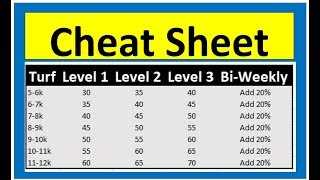
The right price to charge for mowing a lawn depends on factors like size, location, and your level of experience. A fair rate typically ranges from $30 to $80 per backyard, with larger or more complex lawns commanding higher fees. Start by assessing each job individually, considering your costs and desired profit margin, then adjust accordingly.
To determine how much to charge for mowing a lawn, you need to consider the lawn’s size, your local market rates, and the complexity of the job. Setting a competitive yet profitable price involves understanding your expenses and the value you offer. Read on for practical tips to help you establish the perfect pricing strategy so you can earn a fair wage while attracting customers.
Mowing lawns is a great way to make money, but setting the right price is key to building a sustainable business. Whether you’re just starting out or looking to adjust your rates, understanding what to charge can help you stay competitive and profitable. Remember, pricing isn’t just about covering costs—it’s also about valuing your time and effort. So, how much should you charge? Let’s explore the essential factors to consider and some practical advice to help you decide the perfect fee for each lawn.

How Much Should U Charge to Mow a Lawn
Understanding the Basics of Lawn Mowing Pricing
Pricing for lawn mowing can vary widely based on several factors. It’s important to consider the size of the lawn, the frequency of mowing, and the location when setting your rates. Setting a fair price helps attract customers and ensures your business remains profitable.
Factors That Affect Lawn Mowing Prices
There are multiple elements that influence how much you should charge. These include:
- Lawn Size: Larger lawns take more time and effort, increasing the cost.
- Grass Condition: Tall or overgrown grass may require extra work or equipment.
- Location: Rates can differ between neighborhoods or regions.
- Access: Hard-to-reach yards or properties with obstacles may need more effort.
- Additional Services: Edging, trimming, or cleanup can add to the total cost.
Standard Pricing Ranges for Lawn Mowing
Average prices can serve as a good starting point. Here’s a simple table with typical rates:
| Lawn Size | Estimated Cost |
|---|---|
| Small Lawns (up to 1/4 acre) | $30 to $50 per visit |
| Medium Lawns (1/4 to 1/2 acre) | $50 to $80 per visit |
| Large Lawns (over 1/2 acre) | $80 to $150 or more per visit |
These prices are approximate and can vary depending on local demand and costs.
Determining Your Charging Method
You can charge in different ways, each with its benefits. The main methods include:
Per-Visit Pricing
This is the most common method, where clients pay a set fee for each mowing session.
Per Square Foot or Per Acre
Charging by the size of the lawn helps to provide accurate quotes, especially for larger properties.
Hourly Rate
Some mowings may be billed based on the time spent, especially if extra work is involved.
How to Calculate Your Lawn Mowing Price
Calculating your rate requires a clear understanding of costs and market standards. Follow these steps:
- Estimate the time needed based on lawn size and conditions.
- Factor in your hourly wage or desired profit margin.
- Add costs for equipment, fuel, and transportation.
- Compare with local competitors to ensure your rates are competitive.
For example, if it takes you 30 minutes to mow a small lawn and your target earning per hour is $20, then the basic fee could be around $10. Adding other costs might bring it to about $30.
Considering Extra Charges for Extra Services
Many customers want more than just mowing. Offering add-ons can increase your earnings and satisfy client needs.
- Edge Trimming: Usually costs $10 to $20 per lawn.
- Debris Cleanup: Additional fee depending on debris amount, typically $20 or more.
- Seasonal Maintenance: Leaf removal or fertilizing services can be bundled for discounts or charged separately.
Pricing Strategies for Long-term Success
Building a steady client base involves strategic pricing.
- Offer Package Deals: Discounts for weekly or monthly services encourage loyalty.
- Adjust Prices Seasonally: Higher demand periods like spring and summer may allow for slightly increased rates.
- Provide Free Estimates: This builds trust and allows you to tailor prices based on the job.
Good communication about pricing helps prevent misunderstandings and ensures clients feel they are getting value.
Legal and Business Considerations
Ensure your pricing covers all your expenses and complies with local regulations. Keep records of your rates and invoices for tax purposes.
- Liability Insurance: Protects you from damages and should be factored into your prices.
- Business Licensing: Some areas require permits, which might affect your rates.
- Competition Review: Regularly check competitors’ prices to stay competitive.
Tips to Set the Perfect Lawn Mowing Price
To create a fair and profitable pricing plan:
- Know Your Costs: Calculate all expenses before setting rates.
- Research the Market: Know what others charge locally.
- Be Transparent: Clearly communicate what is included in your price.
- Adjust as Needed: Don’t hesitate to tweak your prices based on experience and feedback.
Setting the right price for mowing lawns is crucial for attracting customers and maintaining profitability. Carefully consider all influencing factors and choose a pricing method that suits your business and client expectations. Competitive, transparent, and fair rates will help your lawn mowing service thrive.
Easiest Way To Price Your Lawn Mowing Service | How To Charge
Frequently Asked Questions
What factors influence the pricing for mowing a lawn?
Several elements impact the cost of mowing a lawn, including the size of the area, the complexity of the landscape, the height of the grass, and the frequency of service. Larger lawns naturally require more time and effort, which increases the charge. Additionally, obstacles like trees, flower beds, or uneven terrain can require extra attention and equipment, affecting the overall price. Understanding these factors helps ensure you set a fair and competitive rate.
Should I charge a flat rate or an hourly rate for lawn mowing?
Deciding between a flat fee and an hourly rate depends on your business model and client preferences. A flat rate provides clients with clear expectations and simplifies billing, especially for small to medium-sized lawns. An hourly rate offers flexibility for larger or more complex jobs, allowing you to account for additional time needed. Evaluate the scope of your services and your experience to choose the best approach that ensures profitability.
How can I determine a competitive yet profitable price for mowing lawns?
Start by researching what local competitors charge for similar services. Calculate your costs, including equipment, labor, transportation, and overhead expenses, to ensure your rates cover expenses and generate profit. Consider offering tiered pricing based on lawn size or additional services like edging or trimming. Setting transparent and fair prices helps attract clients while maintaining a healthy profit margin.
Is it appropriate to charge more for larger or more difficult lawns?
Yes, increasing your rates for larger or more challenging lawns is reasonable. Bigger areas take more time and effort, and complex landscapes may require special equipment or skills. Communicating these considerations to clients ensures they understand any additional charges. Adjust your pricing based on the specific requirements to ensure your work remains profitable.
What are some common pricing structures used by lawn mowing services?
Many lawn services use a variety of pricing models, including flat rates per lawn, tiered pricing based on lawn size, or hourly charges. Some companies offer package deals for regular weekly or bi-weekly maintenance. Choosing the right structure depends on your target market, service range, and operational costs. Clear and consistent pricing helps build trust with your clients and simplifies the billing process.
Final Thoughts
Determining how much to charge to mow a lawn depends on size, location, and job complexity. Typically, prices range from $25 to $50 for small yards and go higher for larger properties.
Consider factors like equipment costs and your time investment when setting prices. Competitive rates attract more clients and ensure fair compensation.
In conclusion, how much should u charge to mow a lawn? Set your rates based on yard size and market standards, balancing profitability with customer satisfaction.