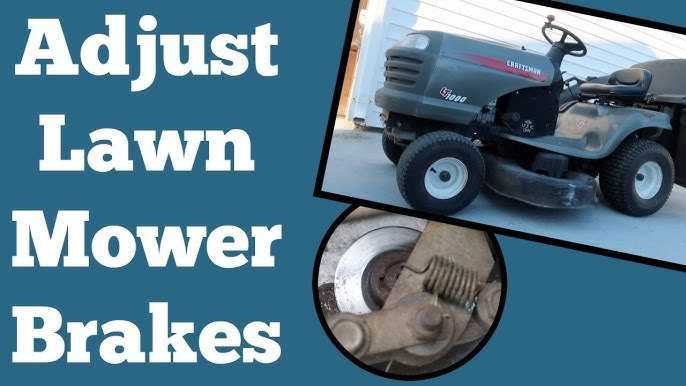
To quickly adjust the brakes on your Craftsman riding lawn mower, start by inspecting the brake pedal and lever to ensure they’re properly aligned. Loosen or tighten the brake cable adjuster to set the correct tension, making sure the mower stops smoothly without dragging. Test the brakes after each adjustment, and repeat if necessary until they’re responsive and secure.
Adjusting the brakes on your Craftsman riding mower is essential for safe and efficient operation. Start by locating the brake cable connected to the pedal, then loosen the locknut and turn the adjuster to tighten or loosen the cable. Fine-tune until the mower stops firmly but without resistance when you release the pedal. Regular maintenance keeps your mower running smoothly and prevents costly repairs.
If you’re wondering how to get your mower braking like new, don’t worry — it’s simpler than you think. Proper brake adjustment involves checking the cable tension, tightening or loosening the cable as needed, and testing the brakes until they respond perfectly. With a little patience and the right tools, you can make your Craftsman riding lawn mower stop reliably and safely, ensuring a smooth mowing experience every time.

How to Adjust Brakes on a Craftsman Riding Lawn Mower
Understanding the Brake System on Your Craftsman Riding Lawn Mower
Before you start adjusting the brakes, it’s important to understand how the brake system works. Craftsman riding mowers typically use a drum or disc brake system that is connected to the foot pedal. When you press the brake pedal, it activates the brake mechanism to stop or slow down the mower. Over time, this system can become loose or worn, which impacts braking effectiveness.
Knowing the basic parts involved, such as the brake pedal, linkage, brake drum or disc, and brake shoes or pads, helps in diagnosing problems. If your mower is not stopping properly or if you hear grinding noises when braking, it might be time for an adjustment. Proper maintenance of these parts ensures your lawn mower operates safely and efficiently.
Tools and Materials Needed
Gathering the right tools makes adjusting the brakes easier. Here’s what you will need:
- Sockets and ratchet set
- Screwdrivers (flat and Phillips)
- Wrenches
- Carburetor or brake cleaner spray
- Replacement brake shoes or pads (if needed)
- Brake adjusting tool (if applicable)
- Gloves and safety glasses for protection
Having these tools on hand allows for a smooth brake adjustment process. Additionally, always refer to your Craftsman mower’s specific manual for any model-specific parts or instructions.
Preparing the Mower for Brake Adjustment
Before starting work, ensure the mower is on a flat, level surface. Engage the parking brake to prevent any movement during adjustments. It’s also advisable to disconnect the spark plug wire to prevent accidental starting.
Drain any fuel if necessary to avoid spills, especially if you will be working around the engine or fuel tank. Remove the mower’s deck cover if it obstructs access to the brake components. Having a clean working area makes it easier to identify parts and areas that need attention.
Locating the Brake Components
The brake system is generally located near the rear wheels. You will find the brake drum or disc behind each wheel, attached to the axle. The brake shoes or pads press against the drum or disc to create friction and stop the wheel.
For models with a drum brake, you’ll see a small access panel or cover that can be removed to reach the brake shoes. Disc brakes might have a caliper that holds the brake pads in place. Understanding these parts is key to making precise adjustments.
Inspecting the Brake System
Start with a visual inspection of the brake components. Look for signs of wear, such as thinning brake shoes or pads, or scoring on the drum or disc. Check for broken or loose linkage or cables that connect the brake pedal to the braking mechanism.
Make sure the brake cable or linkage moves freely without sticking. If you notice any rust, corrosion, or damage, these might need cleaning or replacing. Proper inspection helps determine whether a simple adjustment is enough or if replacement parts are necessary.
Adjusting the Brake Pedal or Lever
Most Craftsman riding lawn mowers allow you to adjust the brake pedal or lever tension to improve braking response. Loosen the lock nut on the brake cable using a wrench. Then, turn the cable adjuster to tighten or loosen the cable.
For a tighter brake, shorten the cable by turning the adjuster clockwise. For a looser brake, turn it counterclockwise. Once the desired tension is achieved, tighten the lock nut securely. Testing the pedal after each adjustment helps find the right feel and stopping power.
Adjusting the Brake Shoes or Pads
If the brake shoes or pads are worn or require adjustment, start by removing the access cover or removing the wheel if necessary.
Use a wrench to loosen the bolts holding the brake shoes or caliper in place if applicable. Adjust the shoes or pads so that they are close to the drum or disc without rubbing when the brake is not engaged.
A good rule of thumb is to have about 1/8 inch of space between the brake shoes and drum when the pedal is released. Tightening or loosening these parts improves braking effectiveness. After adjustment, reassemble all parts securely.
Testing the Brake System
Once all adjustments are made, it’s essential to test the system thoroughly. Engage the parking brake and try to move the mower slightly forward and backward. The mower should resist movement when brakes are engaged.
Test the brake pedal by pressing it firmly and observing if the mower stops smoothly. If braking feels weak or uneven, recheck the adjustments. It might be necessary to make further fine-tuning or replace worn parts.
Additional Maintenance Tips
Regular maintenance extends the life of your brake system. Clean brake components with a carburetor or brake cleaner to remove grease and debris. Lubricate moving parts to prevent sticking that could cause braking issues.
Check brake cable tension periodically and adjust as needed. Replace brake shoes or pads if they become too thin or worn out. Keeping all parts in good condition ensures safe and reliable braking performance over time.
Common Problems and How to Fix Them
If your mower’s brakes are **not engaging properly**, the first thing to check is cable tension and the condition of brake shoes. Loose or worn components are common culprits.
If you hear **squealing noises** when braking, it may indicate worn brake pads or dirt build-up. Cleaning or replacing the pads often remedies this problem. For **brakes that feel too tight**, adjust the cable tension to prevent unnecessary strain.
Safety Precautions During Brake Adjustment
Always wear safety glasses and gloves when working on your mower. Make sure the mower is on a flat surface and the engine is off before beginning any work.
Wait for moving parts to stop completely before touching brake components. If you plan to lift the mower, use jack stands or blocks instead of relying solely on a jack. Following these safety tips helps prevent accidents during maintenance.
When to Seek Professional Help
If, after adjustments, your mower still does not brake properly, it might be time to consult a professional. Complex issues like broken brake calipers, damaged cables, or warped drums require specialized tools and skills.
A qualified technician can diagnose persistent problems and perform repairs accurately. Regular professional tune-ups can also prevent brake issues from developing unexpectedly.
By following these detailed steps, you can confidently adjust the brakes on your Craftsman riding lawn mower, ensuring safety and optimal performance. Proper maintenance prevents accidents and prolongs the lifespan of your equipment, making yard work easier and safer.
HOW TO MAINTENANCE THE BRAKES ON RIDING LAWNMOWER |CRAFTSMAN LT1000 | HOW TO ADJUST THE BRAKES
Frequently Asked Questions
What steps should I follow to check if the brakes on my Craftsman riding mower need adjustment?
Start the engine and engage the parking brake. Slowly push the mower forward and observe if it rolls easily or if there’s resistance. If the mower moves too freely with little resistance when the brake is engaged, it indicates the brakes require adjustment. Additionally, check the brake pedal or lever for proper engagement; if it feels loose or doesn’t fully disengage the wheels, adjustments are necessary to ensure effective braking.
How can I access the brake system on my Craftsman riding mower for adjustment?
Begin by turning off the mower and disconnecting the spark plug wire to prevent accidental starting. Use appropriate tools to lift the mower deck or remove any panels covering the brake assembly. Typically, the brakes are located near the wheels or attached to the transmission. Carefully locate the brake linkage or cable; inspecting and gaining clear access enables you to make precise adjustments to ensure proper contact when engaging the brake pedal or lever.
What adjustments can I make to improve brake performance on my Craftsman mower?
If the brake isn’t engaging properly, tighten or adjust the brake cable or linkage. Loosen the cable locknut and pull the cable slightly to increase tension, then secure it back in place. Check if the brake pad contacts the drum or disc fully when you press the brake pedal. If the brake pad is worn or misaligned, replacing it helps restore proper function. Regularly inspect and adjust the brake system to keep stopping power reliable and consistent.
How do I replace worn brake pads or shoes on my Craftsman riding mower?
Remove the wheels or access panels to reach the brake assembly. Detach the brake caliper or assembly holding the brake shoes or pads in place. Take out the worn components and replace them with new ones designed for your mower model. Make sure the new brake shoes or pads are correctly aligned with the drum or disc. Reassemble all parts, tighten bolts securely, and test the brakes before resuming mowing to ensure they engage properly.
What should I do if my brake pedal feels loose or doesn’t return to the normal position?
Check the brake cable for slack or wear. Adjust the cable tension by tightening the cable or replacing it if it’s frayed. Lubricate the cable linkage to ensure smooth operation. If the pedal still feels loose, inspect the mounting points and return spring for damage or misalignment. Replacing worn springs or securing loose components restores proper pedal feel and ensures reliable brake engagement during operation.
Final Thoughts
Adjusting brakes on a Craftsman riding lawn mower ensures safe and reliable operation. Begin by locating the brake adjustment nuts near the wheels. Loosen the nuts slightly and then tighten them until the brake engages properly when you press the pedal.
Test the brake function after each adjustment to ensure proper stopping power. If necessary, repeat the process until the brake feels firm yet responsive.
In conclusion, knowing how to adjust brakes on a Craftsman riding lawn mower is essential for maintaining safety and performance. Proper adjustments prevent premature wear and ensure effective stopping when needed.