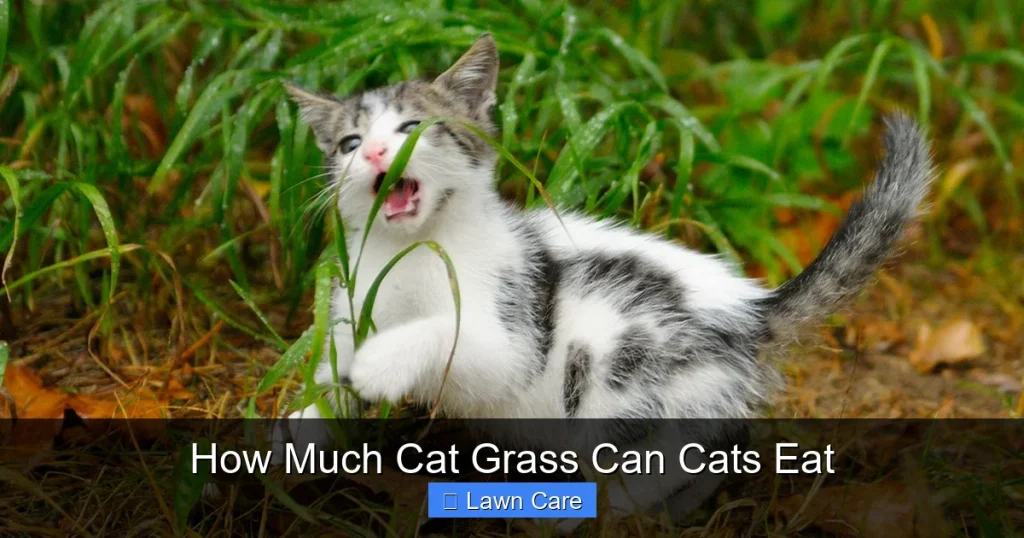
Wondering how much cat grass is too much for your furry friend? This comprehensive guide explains the benefits of cat grass and provides clear, practical advice on appropriate portion sizes. Learn to balance your cat’s enjoyment with their health, ensuring they get the most out of this natural treat. We’ll cover everything from initial introduction to recognizing when your cat has had enough.
How Much Cat Grass Can Cats Eat?
As cat parents, we’re always looking for ways to enrich our feline companions’ lives and support their well-being. One simple and natural addition to their diet that has gained popularity is cat grass. You might have seen it in pet stores or even grown it yourself at home. But a common question arises: how much cat grass can cats actually eat? It’s a valid concern, as even natural foods can cause issues if consumed in excess.
This guide will demystify the world of cat grass for your kitty. We’ll explore what cat grass is, its numerous benefits, and most importantly, how to determine the right amount for your cat. We’ll delve into how to introduce it, how often you can offer it, and what to do if your cat seems to have had a bit too much. By the end of this guide, you’ll feel confident in providing this healthy treat to your beloved cat.
- Cat grass offers numerous health benefits for felines, including aiding digestion, providing essential vitamins, and acting as a natural emetic to help expel hairballs.
- There is no strict universal rule for how much cat grass a cat can eat, as it depends on the individual cat’s size, age, and digestive sensitivity.
- A good starting point is to offer a small amount, about a tablespoon or a few blades, and observe your cat’s reaction and tolerance.
- Observe your cat for any signs of overconsumption, such as vomiting, diarrhea, or lethargy, which indicate they may have eaten too much.
- Most cats can safely consume cat grass several times a week, but it’s best to offer it as a supplement rather than a primary food source.
- Freshly grown cat grass is ideal, as it retains the most nutrients and is most appealing to cats.
Understanding Cat Grass
Before we dive into quantities, let’s clarify what exactly “cat grass” is. It’s not a specific species of grass but rather a mix of common cereal grasses that are safe for cats to consume. These typically include:
- Wheat grass
- Barley grass
- Oat grass
- Rye grass
These grasses are grown from seeds and are usually sold in small pots or as seed packets. They are cultivated to be non-toxic and palatable for cats. Unlike the grass found in your lawn, which might be treated with pesticides or herbicides, or could be tough and indigestible for cats, cultivated cat grass is specifically for feline consumption.
The Wonderful Benefits of Cat Grass
So, why offer your cat grass in the first place? It’s more than just a cute green snack. Cat grass provides several significant health advantages:

Visual guide about How Much Cat Grass Can Cats Eat
Image source: rusticaly.com
Aids in Digestion
Cats are natural carnivores, and their digestive systems are primarily designed to process meat. However, in the wild, felines would consume small prey whole, including the stomach contents, which would contain vegetation. This instinctual behavior is why many cats are drawn to grass. Cat grass can help move food through their digestive tract more efficiently. For indoor cats, whose diets may be less diverse than their outdoor counterparts, this can be particularly beneficial.
Source of Essential Nutrients
While not a complete nutritional replacement for their regular cat food, cat grass contains trace amounts of vitamins and minerals that can supplement a cat’s diet. These can include vitamins A, C, and D, as well as folic acid. These nutrients play a role in various bodily functions, from immune support to healthy skin and coat.
Natural Hairball Relief
This is perhaps one of the most well-known benefits of cat grass. Cats groom themselves meticulously, ingesting a significant amount of fur in the process. This fur can accumulate in their stomach and form hairballs, which they then regurgitate. Cat grass acts as a natural laxative and emetic. The roughage in the grass can help to move the swallowed fur through the digestive system. If it can’t pass, the grass can also induce vomiting, helping your cat to expel the hairball more easily and less uncomfortably. This can reduce the frequency and distress associated with hairball expulsion.
Stimulates Natural Instincts
For indoor cats, chewing on grass can tap into their natural hunting and foraging instincts. It provides a form of enrichment and can help alleviate boredom, potentially reducing destructive behaviors that stem from a lack of stimulation.
Hydration Boost
While not a primary source of water, grass does contain moisture, which can contribute a small amount to your cat’s overall hydration, especially if they are finicky about drinking water.
So, How Much Cat Grass Can Cats Eat?
Now, to the main question. The truth is, there isn’t a single, hard-and-fast rule for the exact amount of cat grass every cat can or should eat. Just like humans, cats have different dietary needs, tolerances, and preferences. Factors such as your cat’s age, size, existing health conditions, and digestive sensitivity all play a role.
Visual guide about How Much Cat Grass Can Cats Eat
Image source: welovecatsandkittens.com
However, we can provide some general guidelines to ensure your cat enjoys the benefits without overdoing it.
Start Small and Observe
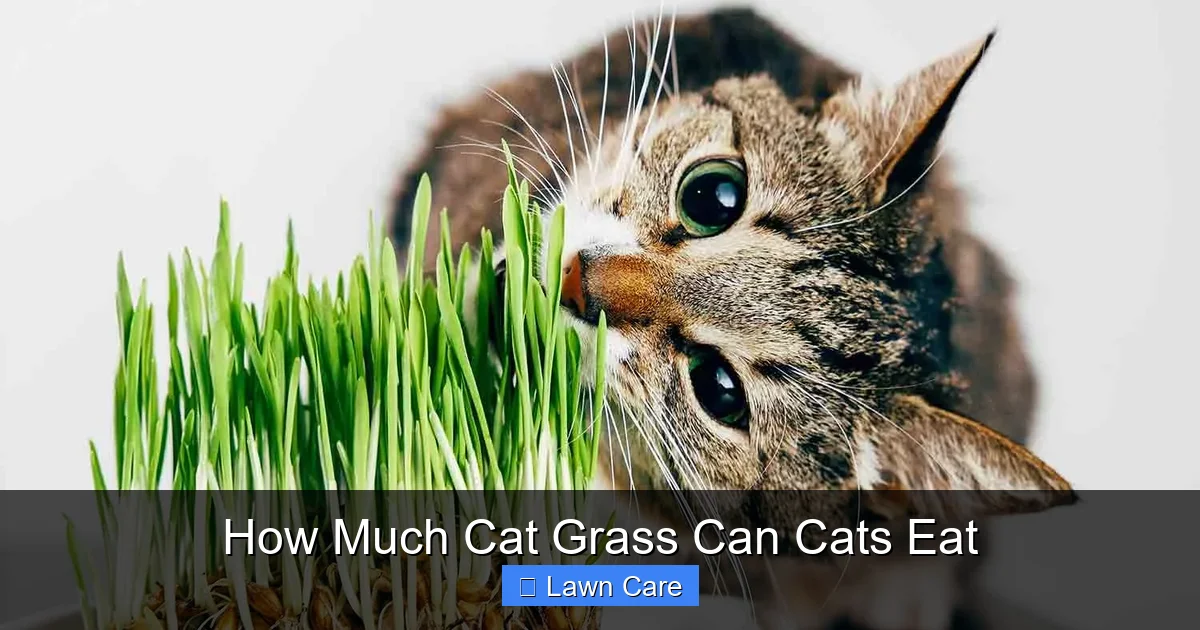
When you first introduce cat grass to your feline friend, it’s crucial to start with a very small amount. Think of it as an appetizer rather than a main course. Offer just a few blades or a small pinch (about a tablespoon’s worth if it’s loose or a small portion from a pot).
Observe your cat closely after they eat it. Look for any immediate reactions. Are they enjoying it? Do they seem to have any digestive upset like vomiting or diarrhea shortly afterward?
Typical Portion Sizes for Regular Consumption
Once you’ve established that your cat tolerates cat grass well, you can gradually increase the portion size. For most adult cats, a good daily or every-other-day serving would be:
- A small handful of grass: This usually translates to about 1 to 2 tablespoons of loose grass.
- A few stems from a potted plant: If you grow it in a pot, let them nibble on 3-5 stems.
The key is moderation. Cat grass should be treated as a supplement or a healthy treat, not a replacement for their balanced cat food. Their regular diet provides the essential nutrients they need in the correct proportions.
Frequency of Feeding
How often can you offer cat grass? Generally, offering cat grass several times a week is perfectly safe and beneficial for most cats. Some owners provide it daily in small amounts, while others offer it every other day or a few times a week. Listen to your cat’s cues and their digestive response.
If your cat is a very enthusiastic eater and tends to gobble down large quantities, you might want to limit the frequency to prevent potential digestive upset. If your cat shows little interest, don’t force it; perhaps try a different type of cat grass or a different presentation.
Signs of Overconsumption
Even with the best intentions, your cat might get a little too excited about their new green treat. Knowing the signs of overconsumption is important:
Visual guide about How Much Cat Grass Can Cats Eat
Image source: treehugger.com
Vomiting
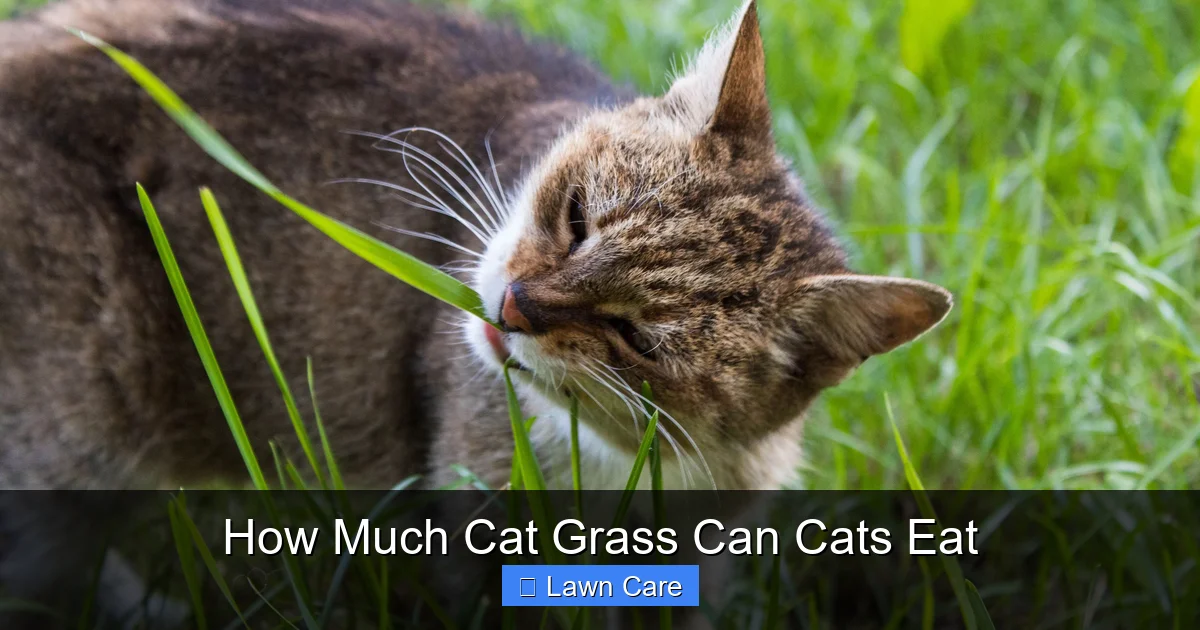
While cat grass can *help* with hairball vomiting, eating too much of it, especially too quickly, can also induce vomiting. If your cat vomits immediately after eating a large amount of grass, or if the vomiting becomes frequent, it’s a sign they’ve had too much. This is often the body’s way of trying to expel the excess roughage.
Diarrhea
An upset stomach from too much grass can also lead to loose stools or diarrhea. If you notice watery or unusually frequent bowel movements, scale back on the cat grass immediately.
Lethargy or Discomfort
If your cat seems unusually tired, bloated, or uncomfortable after eating cat grass, it could indicate a digestive issue from overconsumption. They might be less active than usual or appear to be in some distress.
If you notice any of these signs, the best course of action is to temporarily remove the cat grass from their diet. Once their digestive system returns to normal, you can reintroduce it in much smaller quantities and monitor them closely.
Tips for Growing and Offering Cat Grass
To maximize the benefits and enjoyment of cat grass, consider these practical tips:
Choose the Right Grass Mix
Different cats have different preferences. Some might love wheat grass, while others prefer oat or barley. You can buy mixed seed packets to see which your cat likes best. You can even grow different types side-by-side to offer variety.
Freshness is Key
Cat grass is most nutritious and appealing when it’s fresh. Aim to harvest or offer it when it’s young and vibrant green, usually a few inches tall. As it matures, it can become tougher and less palatable.
Offer it Safely
If you grow cat grass in a pot, ensure the pot is stable and won’t easily tip over. Some cats can get a bit enthusiastic when digging or eating.
Avoid offering grass from your own lawn, as it may contain harmful chemicals like pesticides, herbicides, or fertilizers. It could also harbor parasites or be too fibrous for your cat’s digestive system.
Make it Appealing
Some cats will instinctively gravitate towards cat grass. Others might need a little encouragement. You can try placing a few blades on their food, or gently introducing them to the pot. If your cat enjoys playing with toys, they might enjoy “hunting” the blades of grass.
Consider Growing Without Soil
Some pet owners prefer to grow cat grass without soil, using methods like hydroponics or simply placing seeds in a shallow tray with water. This can be a cleaner option and is often a good way to how to grow cat grass without soil, especially if you’re concerned about your cat ingesting soil.
Don’t Forget Their Main Diet
Remember that cat grass is a supplement. Ensure your cat is eating a high-quality, balanced cat food that meets all their nutritional requirements. Over-reliance on cat grass could lead to nutritional deficiencies if it replaces their primary food source.
When to Consult Your Veterinarian
While cat grass is generally safe, it’s always a good idea to consult your veterinarian if you have any concerns. This is especially true if:
- Your cat has pre-existing digestive issues or medical conditions.
- You notice persistent vomiting, diarrhea, or other severe signs of digestive upset after introducing cat grass.
- You are unsure about the safety of any particular type of grass or plant for your cat.
Your vet can provide personalized advice based on your cat’s individual health needs and ensure that cat grass is a safe and beneficial addition to their diet.
Conclusion
Cat grass is a wonderful, natural treat that can offer numerous health benefits for your feline friend, from aiding digestion and hairball relief to providing essential nutrients and a bit of environmental enrichment. The question of “how much cat grass can cats eat” is best answered with an approach rooted in observation and moderation.
Start with a small amount, monitor your cat’s reaction, and gradually adjust the portion size and frequency based on their tolerance. A few blades or a tablespoon a few times a week is generally a safe and healthy range for most cats. By paying attention to your cat’s cues and ensuring it complements, rather than replaces, their balanced diet, you can confidently offer them this wholesome green goodness. Enjoy watching your cat’s delight as they munch on their very own healthy, home-grown treat!