To control crabgrass in your lawn, apply a pre-emergent herbicide early in the season before crabgrass seeds germinate, and follow up with a post-emergent treatment for existing patches. Regularly mow at the right height, promote healthy grass growth through proper fertilization, and water deeply but infrequently to strengthen your turf’s natural defenses. Consistency is key to keeping crabgrass at bay.
If you’re struggling with crabgrass invading your beautiful lawn, don’t worry—there are effective strategies to keep it under control. The key is to prevent seeds from sprouting and to eliminate existing patches promptly. With proper timing, the right products, and good lawn care habits, you can enjoy a lush, crabgrass-free yard all season long. Maintaining a thick, healthy lawn not only improves your yard’s appearance but also naturally discourages unwanted weeds.

How do I control crabgrass in my lawn
Controlling crabgrass is a common concern for homeowners who want a lush, healthy lawn. Crabgrass is a fast-growing weed that can quickly take over your yard if not managed properly. Understanding how to prevent and eliminate crabgrass can save you time and effort in maintaining your garden.
Understanding Crabgrass: What Is It?
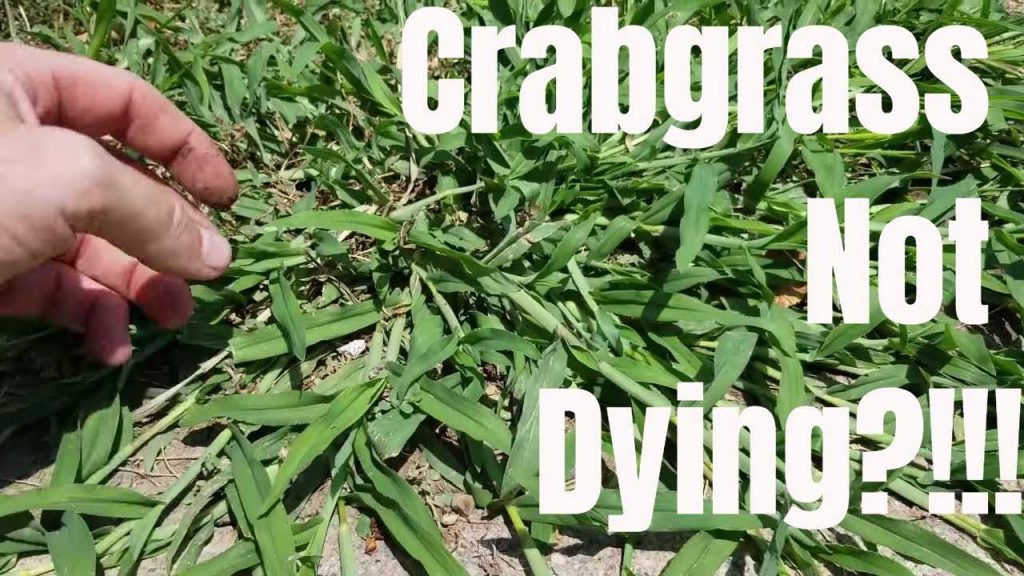
Crabgrass is a type of weed that spreads rapidly across lawns. It belongs to the grassy weed family and thrives in warm weather. This plant produces thin, light-colored leaves that spread out in a crab-like manner, hence the name.
Crabgrass tends to grow in bare patches or thin grass areas. It can produce hundreds of seeds that spread with the wind, making it difficult to control once established. Identifying crabgrass early on helps in applying effective control methods.
Why Is Crabgrass a Problem?
Crabgrass competes with your lawn grass for nutrients, water, and sunlight. It can quickly turn a healthy lawn into an uneven, patchy area. Additionally, crabgrass is difficult to remove once it matures, which can lead to ongoing weed problems.
Removing crabgrass helps maintain the overall health and appearance of your lawn. Preventing its spread also reduces the need for chemical treatments and manual weeding later on.
Prevention Strategies for Crabgrass
Timing Is Key
The best time to prevent crabgrass is in early spring. Apply pre-emergent herbicides before the soil temperature reaches 55 degrees Fahrenheit. This prevents crabgrass seeds from germinating.
Monitoring local weather patterns helps determine the ideal timing for applying pre-emergent treatments. Early action prevents many crabgrass problems before they start.
Use of Pre-emergent Herbicides
Pre-emergent herbicides create a chemical barrier on the soil surface that stops crabgrass seeds from sprouting. Make sure to select a product suitable for your grass type and follow instructions carefully.
Apply pre-emergent herbicides evenly across your lawn, using a spreader for uniform coverage. Reapply as recommended, usually every year in early spring.
Maintain a Healthy Lawn
A dense, thick lawn can naturally prevent crabgrass seeds from taking hold. Regular fertilization, mowing at the proper height, and watering deeply encourage strong grass growth.
Overseeding thin areas with grass seed can fill in bare patches, reducing spaces for crabgrass to invade.
Post-emergent Control of Crabgrass
Manual Removal
For small patches, pulling crabgrass by hand is effective. Make sure to remove the entire plant, including roots, to prevent regrowth.
It’s easier to pull crabgrass when the soil is moist. Regular inspection helps catch new growth early before it spreads widely.
Application of Post-emergent Herbicides
If crabgrass is already established, post-emergent herbicides can help eliminate it. Choose a product labeled for crabgrass control and safe for your grass type.
Apply these herbicides directly to the weeds, avoiding surrounding desirable grass. Follow safety instructions carefully to avoid damaging your lawn.
Improving Lawn Conditions
Proper Mowing
Set your mower to a height of around 2.5 to 3 inches. Taller grass shades the soil, making it harder for crabgrass seeds to germinate.
Frequent mowing helps prevent crabgrass from going to seed and spreading further.
Watering Practices
Water deeply and infrequently to promote deep root growth of your lawn grass. This discourages crabgrass seed germination and establishes a sturdy turf.
A consistent watering schedule also helps maintain overall lawn health, making it more resistant to weeds.
Additional Control Methods
Soil Testing and Amendment
Test your soil to ensure proper pH levels for your grass type. Amendments like lime or sulfur can optimize soil conditions, promoting healthy grass growth.
Healthy soil leads to vigorous turf that naturally resists weed invasion, including crabgrass.
Use of Organic Weed Control
Certain organic methods, like corn gluten meal, can prevent crabgrass seeds from germinating. These are less toxic options that also nourish your soil.
Applying organic controls early in the season enhances their effectiveness without harming the environment.
Related Topics to Consider
- Proper Lawn Fertilization: Ensures your grass gets nutrients to grow thick and strong.
- Choosing the Right Grass Type: Selects for a variety that suits your climate and resists weeds better.
- Irrigation Techniques: Promotes deep root growth and overall turf health.
- Seasonal Lawn Care: Adjusts maintenance tasks based on weather and grass growth cycles.
Summary of Key Tools and Products
| Tool or Product | Purpose | Best Used When |
|---|---|---|
| Pre-emergent Herbicide | Prevents crabgrass seed germination | Early spring before soil warms up |
| Post-emergent Herbicide | Eliminates existing crabgrass plants | When crabgrass is actively growing |
| Hand Weeder | Manual removal of small patches | Early stages of crabgrass growth |
| Grass Seed | Overseeding thin areas | After weed removal and preferred growing season |
Final Tips for Success
- Start with a soil test to understand your lawn’s needs.
- Apply pre-emergent herbicides early each year for best prevention.
- Maintain regular mowing and watering habits to promote healthy grass.
- Address bare spots promptly with overseeding to reduce weed invasion.
- Monitor your lawn frequently for early crabgrass growth and treat immediately.
Keeping crabgrass out of your lawn involves a combination of preventative measures, timely applications of herbicides, and healthy lawn maintenance. Consistency is key—by following these steps, you can enjoy a lush, weed-free yard for years to come.
How to Get Rid of Crabgrass (4 Easy Steps)
Frequently Asked Questions
What is the best time of year to apply crabgrass preventer?
Apply crabgrass preventer in early spring, just before soil temperatures reach around 55°F (13°C). Timing is crucial because applying too early or too late can reduce effectiveness. Monitoring soil temperatures and local weather patterns helps determine the optimal period for application to prevent crabgrass seeds from germinating.
How can proper lawn mowing help control crabgrass growth?
Maintaining a mowing height of about 2.5 to 3 inches helps shade the soil, making it less favorable for crabgrass seeds to germinate. Regular mowing also promotes healthy turf growth, which naturally crowds out crabgrass. Avoid mowing too short, as it weakens grass and creates openings for weeds to establish.
What soil conditions encourage or discourage crabgrass proliferation?
Crabgrass thrives in compacted, poorly drained, or nutrient-deficient soils. Improving soil health by aerating compacted areas, ensuring proper drainage, and fertilizing appropriately can create unfavorable conditions for crabgrass. A thick, healthy turf acts as a barrier, preventing crabgrass from gaining a foothold.
Are there organic methods to control crabgrass effectively?
Yes, organic methods include hand-pulling crabgrass before it seeds, applying corn gluten meal as a natural pre-emergent, and maintaining a dense lawn through proper watering and fertilization. These practices help suppress crabgrass growth without relying on chemical herbicides.
What role does watering play in managing crabgrass?
Deep, infrequent watering encourages deep root growth of your grass, making it more resilient against weeds like crabgrass. Overwatering creates favorable conditions for crabgrass, so adjusting your watering schedule to promote healthy turf without excess moisture helps keep crabgrass at bay.
Final Thoughts
Control crabgrass by applying pre-emergent herbicides in early spring before seeds sprout. Maintain a healthy, dense lawn through proper watering, mowing, and fertilizing to prevent crabgrass from establishing. When crabgrass appears, hand-pull or spot-treat with selective herbicides to target the weeds without harming your grass.
How do I control crabgrass in my lawn? Regular maintenance and timely treatment keep crabgrass at bay. Consistent efforts ensure a lush, healthy lawn free of unwanted weeds.