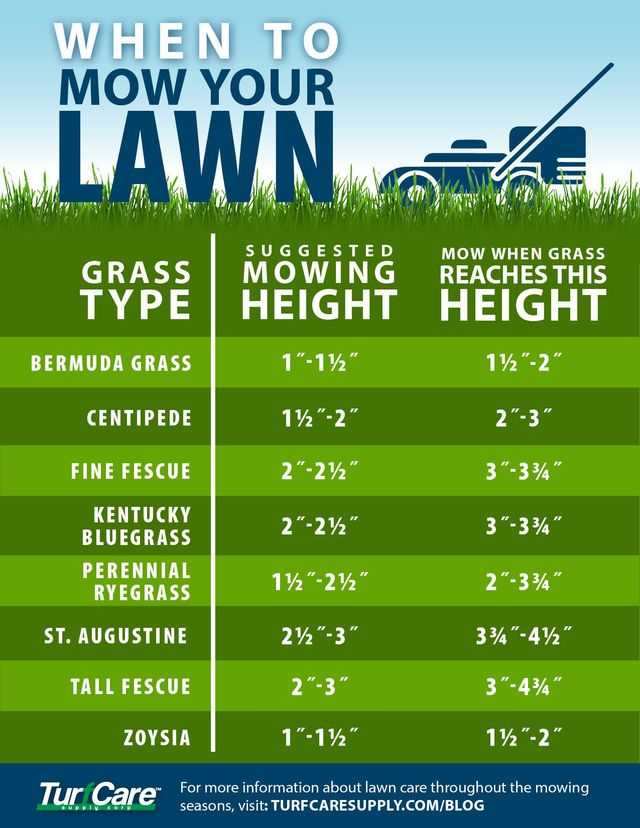
You should mow your lawn once a week during the peak growing season to keep it healthy and tidy. In periods of slower growth, every two weeks may suffice. Consistency is key to maintaining a lush, green yard that looks fantastic all season long.
For a beautifully maintained lawn, mowing frequency depends on grass type, weather conditions, and how quickly your grass grows. Typically, weekly mowing during spring and summer ensures your grass stays at the optimal height and prevents overgrowth. Less frequent mowing might be needed in cooler months or if your grass grows slowly. The trick is to mow regularly enough so you’re not cutting more than a third of the grass height at once, which helps keep your lawn healthy and resilient. Keeping an eye on your grass’s growth rate and adjusting accordingly will give you a vibrant, well-manicured yard without unnecessary effort.

How Often Do You Have to Mow a Lawn?
Understanding the Basics of Lawn Mowing Frequency
Regular mowing helps keep your lawn healthy, neat, and attractive. The perfect mowing schedule depends on several factors like grass type, weather, and season. Knowing how often to mow can prevent damage and promote lush growth.
Factors Influencing Lawn Mowing Schedule
There are key elements that determine how often you should mow your lawn. These include:
- Grass Type: Different grasses grow at different rates.
- Growth Rate: Warm-season grasses grow faster in the summer, while cool-season grasses grow more during spring and fall.
- Weather Conditions: Rain, temperature, and sunlight affect grass growth speed.
- Seasonal Changes: Mowing needs vary throughout the year, with more frequent cuts in peak growth periods.
Ideal Mowing Frequency for Common Grass Types
Each grass type has recommended mowing frequencies to keep it healthy and vibrant:
Bermuda Grass
This warm-season grass grows rapidly in summer, so mowing may be needed twice a week during peak growth. In cooler months, once every two weeks may suffice.
Kentucky Bluegrass
Usually requires mowing once a week during active growing seasons. In cooler months, every two weeks is enough.
Fescue
Cool-season grass that often needs mowing once every 7 to 10 days in spring and fall, and less frequently during winter.
Zoysia Grass
This grass grows slowly, so mowing every 10 to 14 days works well in summer. Less frequent mowing is needed in cooler months.
How to Determine the Right Mowing Frequency
To find out how often you should mow, monitor your lawn’s growth. If the grass is over 3 inches tall, it’s time to cut it down to about 2.5 inches. Remember, never remove more than one-third of the grass height at a time to avoid stressing the plants.
The Impact of Mowing Height on Frequency
Maintaining the correct mowing height influences how often you need to cut your lawn. Shorter grass may require more frequent mowing, especially during active growth periods. Longer grass can be cut less often but still needs to be trimmed regularly for health and appearance.
Seasonal Adjustments in Mowing Schedule
Adjust your mowing routine based on the season:
- Spring: As grass starts growing faster, increase mowing frequency to weekly or bi-weekly.
- Summer: During peak growth, mow every 3 to 4 days for lush, even turf.
- Fall: Reduce mowing to once a week or every two weeks as growth slows.
- Winter: In colder climates, mowing is almost unnecessary unless the grass stays active.
Signs You Need to Mow Your Lawn
Watch for these clues to know when it’s time to cut:
- Grass height exceeds 3 inches
- Clippings are visible on the surface
- Uneven growth pattern
- Grass appears dull or patchy
Regular inspection helps prevent overgrowth and keeps your lawn healthy.
Benefits of Proper Mowing Frequency
Maintaining a suitable mowing schedule offers several benefits:
- Healthier Grass: Promotes strong root systems and dense growth.
- Weed Control: Proper mowing prevents weeds from seeding.
- Enhanced Appearance: Keeps your yard looking well-kept and neat.
- Reduced Pest Problems: Shorter grass discourages pests and insects.
Tools and Techniques for Effective Mowing
Using the right equipment and method ensures optimal results:
- Sharp Blades: Dull blades tear grass, causing stress and disease. Sharpen blades regularly.
- Proper Mowing Height: Set your mower to suit your grass type and season.
- Consistent Pattern: Mow in the same direction to avoid soil compaction and ruts.
- Leave Clippings: Grass clippings can act as natural mulch, but avoid excessive accumulation.
Comparing Mowing Frequency: Weekly vs. Bi-weekly
| Mowing Frequency | Pros | Cons |
|——————-|——-|——-|
| Weekly | Keeps grass at ideal height, encourages dense growth | More time-consuming, more fuel or electricity use |
| Bi-weekly | Less effort, saves time and resources | Might allow grass to grow too tall if not monitored properly |
Deciding between these depends on your grass type and growth rate. Regular monitoring ensures your lawn stays healthy regardless of schedule.
Adjusting Mowing Frequency for Special Situations
Certain circumstances may require modifications:
- New Lawn: Mow less frequently at first to allow roots to establish.
- Heavily Shaded Areas: Grass grows slower, so mow less often.
- During Drought: Reduce mowing to conserve water and prevent stress.
- Overgrown Lawns: Mow gradually, removing no more than one-third of the height each time.
Knowing how often to mow your lawn helps keep it healthy, attractive, and manageable. Adjust your schedule based on grass type, weather, and season. Regularly checking your lawn’s growth and following best practices will make mowing easier and more effective. Keep your yard looking its best with a consistent, well-informed mowing routine.
How Often Should You Mow The Lawn?
Frequently Asked Questions
How does the season influence how often I should mow my lawn?
During the growing season, especially in spring and summer, your lawn needs more frequent mowing as the grass grows quickly. In fall and winter, grass growth slows down or stops, so you can reduce mowing frequency. Adjust your schedule based on seasonal growth patterns to keep your lawn healthy and tidy.
What signs indicate I need to mow my lawn again?
Look for grass that has grown taller than the recommended height for your grass type, typically around 2.5 to 3 inches. If the grass leaves are curling or showing signs of stress, it’s time to mow. Regular mowing prevents grass from becoming too tall, which can lead to problems like pests and disease.
How can I determine the optimal mowing frequency for my lawn’s specific grass type?
Research your grass type to understand its growth rate and optimal height. For fast-growing grasses like Bermuda or Kentucky bluegrass, mow more frequently, about once a week during peak growth. For slower-growing types, every two weeks may suffice. Regularly monitor your lawn’s height to decide the right mowing interval.
Does mowing frequency vary based on lawn size or usage?
Yes, larger lawns or areas with heavy foot traffic often require more frequent mowing to maintain a tidy appearance and healthy grass. Conversely, smaller or low-traffic lawns may need less frequent cuts. Tailoring your mowing schedule to your lawn’s specific conditions ensures optimal results.
What impact does mowing too often or too infrequently have on my lawn?
Mowing too often can stress your grass and inhibit its growth, while mowing too infrequently leads to overly tall grass that can develop disease and pests. Finding a balanced mowing schedule helps promote dense, healthy grass and a lush appearance.
Final Thoughts
How often do you have to mow a lawn depends on the grass type and growth rate. Typically, mowing once a week keeps your lawn healthy and neat. During rapid growth seasons, you might need to mow more frequently. In contrast, slower growth periods allow for less frequent mowing.
Consistent mowing encourages a lush, even lawn and prevents weeds from taking over. Monitoring your grass height regularly helps you determine the right mowing schedule. Ultimately, adjusting your mowing routine to the grass’s needs ensures a well-maintained yard.
In conclusion, how often do you have to mow a lawn? It varies, but regular mowing is essential for a healthy, attractive lawn. Stay attentive to your grass’s growth, and you’ll find the right balance.