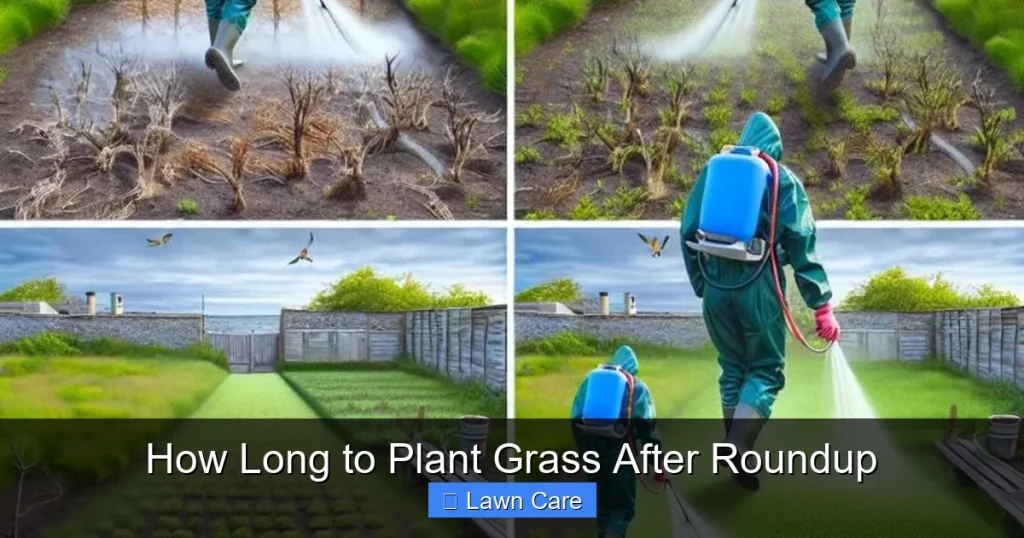
Planning to reseed your lawn after using Roundup? Knowing the correct waiting period is crucial for success. This guide explains how long to plant grass after Roundup, detailing the factors that influence the waiting time and providing step-by-step instructions for preparing your soil and sowing new seed. Follow these tips to ensure your new grass grows healthy and strong.
How Long to Plant Grass After Roundup
So, you’ve taken on the weeds with a powerful herbicide like Roundup, and now you’re eager to get back to a lush, green lawn. That’s a fantastic goal! But before you reach for that bag of grass seed, there’s a crucial question to answer: How long do you need to wait after using Roundup before you can safely plant new grass? It’s not a simple “one size fits all” answer, and understanding the nuances will save you time, effort, and money.
This guide will walk you through everything you need to know about waiting periods, soil preparation, and getting your new lawn started on the right foot after a Roundup application. We’ll cover the science behind why waiting is important, how to determine the right timeframe, and the steps you need to take to ensure your new grass thrives.
- Timing is Everything: The most critical factor is the waiting period after applying Roundup, which varies based on the product and environmental conditions.
- Glyphosate Persistence: Roundup’s active ingredient, glyphosate, needs time to break down in the soil. Planting too soon can harm new grass.
- Product Variations Matter: Different Roundup formulations have varying residual effects; always check the product label for specific instructions.
- Soil and Weather Influence: Factors like soil type, moisture, and temperature can affect how quickly the herbicide breaks down.
- Preparation is Key: After waiting, proper soil preparation, including tilling and adding amendments, is vital for optimal seed germination.
- Seed Selection: Choosing the right grass seed for your climate and soil conditions will significantly impact your lawn’s success.
[FEATURED_IMAGE_PLACEHOLDER]
Why the Wait? Understanding Herbicide Persistence
Roundup is a popular and effective weed killer, primarily because of its active ingredient, glyphosate. Glyphosate is a non-selective, systemic herbicide, meaning it kills most plants it comes into contact with and is absorbed into the plant’s system. Once absorbed, it travels throughout the plant, disrupting essential processes and ultimately leading to its demise.
The key to understanding the waiting period lies in how glyphosate behaves in the environment. Fortunately, glyphosate is designed to break down relatively quickly in the soil. When it comes into contact with soil microbes, it is naturally degraded. However, this breakdown process isn’t instantaneous. If you plant grass seed too soon after applying Roundup, there’s a risk that residual herbicide in the soil could damage or kill the delicate new seedlings. This is why waiting is so important – it gives the glyphosate time to dissipate and become harmless to your new grass.
How Long to Wait: Factors to Consider
Visual guide about How Long to Plant Grass After Roundup
Image source: easiergardening.com
The most direct answer to “how long to plant grass after Roundup” comes from the product label itself. Different formulations of Roundup may have different recommended waiting periods. Always, always, *always* read and follow the instructions on the specific Roundup product you used. This is your primary guide.
However, several other factors can influence the effective waiting time:
1. Product Formulation
There are many different Roundup products on the market. Some are designed for quick knockdown and have minimal residual effect, while others might contain different active ingredients or surfactants that could influence breakdown time. For instance, some products specifically state they are safe for planting after a certain period, while others require a longer wait. Pay close attention to labels that mention re-seeding or replanting times. Generally, you’ll find recommendations ranging from immediate re-seeding (for some “ready-to-plant” formulations) to several days or even a couple of weeks for conventional glyphosate products. If you’re looking for specific guidance on timing, you can often find helpful information at resources like https://lawnhelpful.com/how-long-after-spraying-roundup-can-you-plant-grass-seed/.
2. Application Rate and Coverage
The amount of Roundup you applied and how thoroughly it covered the area also plays a role. If you applied it at a higher concentration than recommended or if it pooled in certain areas, the herbicide might persist longer. Conversely, a light, even application will likely break down more quickly.
3. Environmental Conditions
* Soil Type: Different soil types can affect herbicide breakdown. Clay soils, for example, can bind to glyphosate, slowing its degradation. Sandy soils allow for quicker movement and potential breakdown, but also a faster leaching of nutrients. Loam soils often provide a good balance.
* **Moisture: Soil moisture is crucial for microbial activity, which breaks down glyphosate. If the soil is very dry, decomposition will be slower. Consistent moisture, but not waterlogging, generally promotes faster breakdown.
* Temperature: Warmer temperatures generally speed up the activity of soil microbes, leading to faster herbicide degradation. Very cold temperatures will significantly slow down the process.
* Sunlight: While glyphosate primarily breaks down in the soil, some degradation can occur on plant surfaces or in the top layer of soil due to UV radiation from sunlight.
4. Rain and Watering
Rain or watering can help wash the herbicide into the soil where it can be broken down by microbes. However, if you water too soon after application, you might wash the herbicide off the weed’s leaves before it can be fully absorbed, making the application less effective against the weeds but potentially speeding up its disappearance from the surface. Be sure to follow the “no rain/watering” window specified on the Roundup label after application.
General Waiting Guidelines
Visual guide about How Long to Plant Grass After Roundup
Image source: grasstasks.com
While the product label is king, here are some general guidelines you might encounter:
* Immediate Replanting: Some specialized Roundup formulations are designed to break down on contact with soil, allowing for immediate planting. These are often used in situations where a quick turnaround is desired.
* 7-14 Days: For many standard glyphosate-based Roundup products, a waiting period of 7 to 14 days is commonly recommended. This allows sufficient time for the herbicide to degrade in the soil.
* Longer Waits: In cooler weather, very dry conditions, or if you suspect heavy application, you might consider waiting even longer, perhaps up to 3-4 weeks.
Tip: If you’re unsure, it’s always better to err on the side of caution and wait a little longer. You’ve invested time and effort into preparing your lawn, so a few extra days of waiting will ensure your new grass has the best chance of survival.
Step-by-Step: Planting Grass After Roundup
Visual guide about How Long to Plant Grass After Roundup
Image source: obsessedlawn.com
Once you’ve determined that enough time has passed and the risk of herbicide damage is minimal, it’s time to prepare your soil and plant your new grass.
Step 1: Remove Dead Weeds and Debris
Clear the Area
Even though Roundup killed the weeds, they won’t just disappear overnight. They will likely turn brown and brittle.
- Rake Thoroughly: Use a stiff garden rake to gather up all the dead weeds and any other debris that may be on the surface. This is important for a clean seedbed.
- Bag and Dispose: Bag up the dead plant material and dispose of it properly. This prevents any remaining herbicide from potentially being spread around your yard.
Step 2: Prepare the Soil
This is arguably the most crucial step for a successful new lawn, regardless of whether you used Roundup or not. Good soil preparation is essential for proper seed germination and root development.
Loosen the Soil
Till or Aerate
The dead weed roots can create a matted layer that prevents new grass roots from penetrating. You need to loosen the soil.
- Tilling: If the area is heavily compacted or has a thick layer of dead organic matter, tilling the soil to a depth of 4-6 inches is ideal. A rototiller or garden fork can be used.
- Core Aeration: If tilling seems excessive, core aeration can be a good alternative. It pulls out plugs of soil, breaking up compaction and allowing air, water, and nutrients to reach deeper.
Add Soil Amendments
After loosening, it’s time to enrich your soil.
- Compost: Mix in a generous layer of high-quality compost. Compost improves soil structure, drainage, and fertility, providing essential nutrients for new grass. Aim for a layer of about 1-2 inches and work it into the top 4-6 inches of soil.
- Fertilizer: Consider adding a starter fertilizer. These fertilizers are specifically formulated with phosphorus to encourage strong root growth, which is vital for young grass seedlings. Follow the product’s recommended application rates.
Level the Ground
Rake Smooth
A level seedbed is important for even seed distribution and germination.
- Raking: Use a metal rake to break up any large clumps of soil and create a smooth, level surface. Remove any remaining stones or debris. The goal is a fine, firm seedbed.
Step 3: Choose and Sow Your Grass Seed
Selecting the right grass seed for your climate and conditions is vital. For example, if you live in a warm-season region, you might be considering planting Bermuda grass seed, which has specific planting needs and growth rates. You can learn more about how to plant Bermuda grass seed at https://lawnhelpful.com/bermuda-grass-seed-how-to-plant/.
Select the Right Seed
Consider Your Climate
Ensure you choose a grass variety suitable for your region’s climate, sun exposure, and intended use.
- Cool-Season Grasses: Fescues, Ryegrass, Kentucky Bluegrass are common in northern climates.
- Warm-Season Grasses: Bermuda grass, Zoysia grass, St. Augustine grass thrive in warmer regions.
Apply Seed Evenly
Follow Seeding Rate
Use a broadcast spreader for even distribution. Follow the recommended seeding rate on the grass seed bag precisely. Over-seeding can lead to competition and poor establishment.
- Spreader Settings: Calibrate your spreader according to the seed bag’s instructions.
- Double Pass: For best coverage, consider applying half the seed walking in one direction (e.g., north-south) and the other half walking perpendicularly (e.g., east-west).
Step 4: Cover and Water the Seed
Proper seed-to-soil contact is critical for germination.
Ensure Seed-to-Soil Contact
Light Raking or Rolling
You can gently rake the seed into the top ¼ to ½ inch of soil or use a lawn roller to firm the seedbed.
- Avoid Burial: Don’t bury the seed too deeply, as it needs light to germinate.
Watering
Gentle Moisture
Water the newly seeded area gently but thoroughly. The goal is to keep the top inch of soil consistently moist until germination.
- Light Sprays: Use a fine mist setting on your hose or sprinkler. Heavy watering can wash the seeds away.
- Frequency: You may need to water multiple times a day, especially in warm or windy conditions.
Step 5: Post-Planting Care
Once the grass starts to grow, your job isn’t done!
Ongoing Watering
Gradual Reduction
As the grass seedlings develop, you can gradually reduce the frequency of watering but increase the duration. This encourages deeper root growth.
- Deep Watering: Aim for watering deeply and less often once the grass is established.
Mowing
First Mow
Wait until the new grass reaches about one-third taller than your desired mowing height before the first cut. Never remove more than one-third of the grass blade in a single mowing. This is also when you need to be mindful of how long to wait to mow lawn after overseeding, as the young grass is still establishing.
- Sharp Blade: Always use a sharp mower blade to avoid tearing the delicate grass blades.
- Higher Setting: Mow at a higher setting for the first few mows.
Troubleshooting: What if My Grass Doesn’t Grow?
If you’ve followed all the steps and your new grass isn’t sprouting or is growing weakly, here are a few things to check:
* **Did you wait long enough?** Revisit the Roundup label and consider environmental factors. The most common mistake is planting too soon.
* **Was the soil prepared adequately?** Poor soil contact or compacted soil can prevent germination.
* **Were the seeds old or stored improperly?** Seed viability can decrease over time.
* **Is the watering consistent?** If the soil dried out at any point during germination, the seeds may have died.
* **Did you apply the correct amount of seed?** Too little seed results in a thin lawn, while too much can lead to competition and disease.
* **Pests or Diseases?** While less common immediately after planting, these can still be factors.
Conclusion
Successfully planting grass after using Roundup hinges on patience and proper preparation. By understanding how glyphosate works and the factors that influence its breakdown, you can confidently determine the right waiting period. Always prioritize reading the product label and then focus on creating an optimal environment for your new grass with thorough soil preparation, careful seeding, and consistent watering. With a little care and attention, your lawn will soon be lush and green again! Remember, a healthy lawn is a process, and getting the timing right after weed treatment is a critical first step.