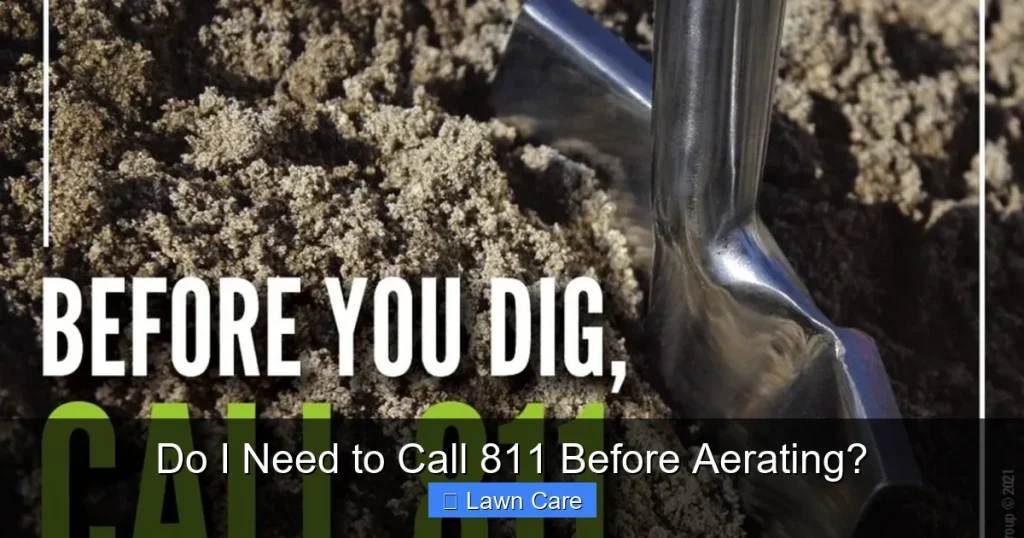
Yes, you absolutely need to call 811 before aerating your lawn. This free service helps locate underground utility lines, preventing dangerous and costly damage. Ignoring this step can lead to serious accidents and significant repair bills.
You’re looking at your lawn. It’s a bit compacted, maybe a little thirsty, and not as vibrant as you’d like. You’ve heard about aeration – that magical process of poking holes in the soil to let in air, water, and nutrients. It sounds like a fantastic way to give your grass a much-needed boost. You’re ready to grab your aerator and get to work, but wait a minute. Before you dive in, there’s a crucial step many homeowners overlook, and it could save you a world of trouble. We’re talking about calling 811.
So, the big question is: **Do I need to call 811 before aerating?** The short answer is a resounding, unequivocal **YES**. Even if you’re just doing a small patch of your yard, or if you think your aerator isn’t going very deep, calling 811 is a non-negotiable safety measure. It’s a simple step that can prevent dangerous accidents and expensive damage to essential underground infrastructure. Let’s break down why this is so important and what you need to know.
## What is 811 and Why Does it Matter for Aeration?
811 is the national “Call Before You Dig” phone number. It’s a free service designed to protect you and your community by ensuring that underground utility lines are located and marked before any excavation or digging project begins. Think of it as your personal underground map service, provided by the utility companies themselves. These lines carry vital services like natural gas, electricity, water, sewer, and telecommunications (phone, internet, cable TV).
When you aerate your lawn, even with a core aerator that pulls up plugs of soil, the tines or spikes are penetrating the ground. While many might assume aeration is too shallow to hit anything significant, this isn’t always the case. Utility lines aren’t always buried at extreme depths. Some can be surprisingly close to the surface, especially irrigation systems, low-voltage electrical lines for landscape lighting, or even older, poorly buried utility lines.
Imagine the consequences of hitting a natural gas line. It can lead to explosions, fires, serious injury, or even death. Damaging an electrical line can cause electrocution or widespread power outages. A broken water or sewer line means costly repairs and a mess to deal with. And hitting a fiber optic cable can disrupt communication services for thousands of people, resulting in hefty repair bills for which you could be held liable.
### The “Digging” Definition is Broad
It’s easy to think of “digging” as large-scale construction projects like building a deck or installing a fence. However, the definition is much broader. Many utility companies consider any activity that disturbs the ground as “digging.” Aeration, which involves physically puncturing the soil, falls squarely into this category. The equipment used for aeration, whether it’s a manual plug aerator, a spike aerator, or a powered machine, is designed to go into the ground. Even if you’re using a small, handheld aerator, the risk of hitting something is still present.
## How Does Calling 811 Work?
Calling 811 is straightforward and, best of all, it’s free. The process is designed to be simple for homeowners and contractors alike.
### Making the Call
You can call 811 by dialing the number from your phone. You’ll be connected to a local call center that handles your area. You’ll need to provide some basic information:
* Your location: The address where the work will be done.
* The type of work: In this case, lawn aeration.
* The date and time you plan to begin: This is important for scheduling.
The call center will then notify the utility companies that have underground lines in your vicinity. These companies are required by law to respond to these requests.
### The Marking Process
After you call, within a few business days (typically 2-3, but this can vary by state and locality), professional locators from the utility companies will come to your property. They will use specialized equipment to detect the underground lines and mark their approximate locations on your lawn. These markings are usually made with colored flags or spray paint. The colors are standardized:
* Red: Electric power lines, cable, telephone, telegraph, and alarm/signal lines.
* Yellow: Gas, oil, steam, petroleum, or gaseous materials.
* Orange: Communication, cable TV, telephone, and alarm/signal lines.
* Blue: Potable water.
* Green: Sewers and drain lines.
* Purple: Reclaimed water, irrigation, and slurry lines.
* White: Proposed excavation limits or route.
It’s crucial to understand that these are *approximate* locations. The markings indicate the general path of the utility line, not its exact size or depth. You’ll need to maintain a safe distance from these markings when you aerate.
## Why Aeration Itself Isn’t Always Safe Without a Call
You might be thinking, “My aerator only goes down a few inches. What could I possibly hit?” Here’s why that assumption is dangerous:
### Shallow Utilities
Not all utilities are buried deep. Sprinkler system lines are often installed just a few inches below the surface to avoid interfering with routine lawn care. Landscape lighting wires can also be quite shallow. In some older neighborhoods, utility lines might not have been buried to current depth standards.
### The “Close Call” Factor
Even if a utility line is buried a foot or two deep, the tines of a powerful aerator can still reach that depth or even slightly beyond. If a line is located directly beneath where you plan to aerate, you could easily strike it.
### Unseen or Unmarked Lines
Sometimes, utility lines can be installed that are not officially recorded or marked by the utilities. This is especially true for privately installed systems like irrigation or landscape lighting. Calling 811 helps identify the *officially registered* lines, but it’s always wise to be observant of any visible signs of underground infrastructure.
### The Aerator’s Action
Core aerators pull out plugs of soil, leaving holes. Spike aerators push spikes into the ground. Both actions involve forcefully entering the soil. While a manual aerator might be less aggressive, powered aerators can have significant force behind their tines, increasing the risk of damage if they encounter resistance from a buried line.
## What Are the Risks of Not Calling 811?
The consequences of not calling 811 before aerating can be severe and far-reaching.
### Safety Hazards
* Explosion and Fire: Striking a natural gas line can release flammable gas, leading to a dangerous explosion or fire.
* Electrocution: Damaging an electrical cable can electrify the surrounding soil and water, posing a serious risk of electrocution.
* Exposure to Hazardous Materials: Hitting sewer or other service lines can expose you to harmful waste and materials.
### Property Damage
* Costly Repairs: Repairing damaged utility lines is expensive. You can be held responsible for the full cost of repairs, which can run into thousands of dollars.
* Service Disruptions: A damaged line means you and your neighbors could lose essential services like power, water, or internet.
* Secondary Damage: Leaking water lines can cause water damage to your home’s foundation, basement, or landscaping.
### Legal and Financial Repercussions
* Fines and Penalties: Many states have laws requiring “Call Before You Dig” notification. Failing to do so can result in significant fines, especially if you cause damage.
* Liability: If your actions cause damage to a utility line and endanger others or disrupt services, you could face lawsuits and be held financially liable for all damages, including loss of business or injury to others.
## How Long Before Aerating Should I Call 811?
The general rule of thumb is to call at least 2-3 business days *before* you plan to start aerating. This allows ample time for the utility companies to schedule their locators and mark the lines on your property.
### Planning is Key
Laying out your lawn care schedule with 811 in mind is essential. If you’re planning to aerate on a Saturday, you’ll need to make the call by Wednesday or Thursday of that week, depending on your local utility response times. Don’t wait until the last minute. Delays in marking can happen, and you don’t want to be left with a beautiful aerator ready to go but no cleared area to work on.
### Markings Have an Expiration Date
It’s also worth noting that the temporary markings made by utility companies have an expiration date. For most short-term projects like aeration, the markings will remain valid for the duration of your project. However, if you encounter significant delays, or if heavy rain washes away the paint or flags, you may need to request a re-mark. It’s always good practice to be aware of how long the markings are considered valid in your area.
## What If I’m Still Unsure?
If you’re still feeling uneasy about aerating yourself, or if you have a particularly complex property with known underground features, there are other options.
### Hire a Professional
A professional lawn care service will have experience with these procedures and will know the importance of calling 811. They carry their own insurance and are equipped to handle the job safely and efficiently. They will manage the 811 process as part of their service. If you’re looking for estimates on lawn care services, you might want to explore [how much do landscapers charge to mow a lawn](https://lawnhelpful.com/how-much-do-landscapers-charge-to-mow-a-lawn/) to get an idea of professional costs.
### Manual Aeration
For smaller lawns or if you want to be extra cautious, a manual aerator (a tool you step on) can offer more control. You can feel the resistance more directly, giving you a chance to stop before hitting anything. However, even with manual aeration, calling 811 is still recommended, as it’s a simple safety precaution that costs nothing.
### Visual Inspection
Before you even call 811, take a walk around your yard. Do you see any utility boxes, meter readers, or vents that might indicate underground lines? Are there any areas where water tends to pool, suggesting drainage pipes? While not a substitute for 811, these observations can help you be more aware of your property. If you’re experiencing pooling water, you might want to look into [how do I get water to drain out of my yard](https://lawnhelpful.com/how-do-i-get-water-to-drain-out-of-my-yard/).
## Conclusion: Safety First, Always!
Aerating your lawn is a fantastic practice for improving its health and appearance. It encourages deeper root growth, better water and nutrient absorption, and a lusher, greener turf. However, like any activity that involves disturbing the soil, it comes with inherent risks if not done with proper precautions. The question of whether you need to call 811 before aerating isn’t a suggestion; it’s a safety imperative.
By taking a few minutes to dial 811 and having your utility lines marked, you are making an informed decision that protects yourself, your property, and your community. You avoid potentially catastrophic accidents, expensive repair bills, and legal troubles. Think of it as an essential part of your lawn care toolkit, just as important as choosing the right [tools for lawn care](https://lawnhelpful.com/what-tools-do-i-need-for-lawn-care/) or knowing [how often do you need to mow your lawn](https://lawnhelpful.com/how-often-do-you-need-to-mow-your-lawn/). Prioritizing safety with 811 will ensure your aeration project is successful and contributes to a beautiful, healthy lawn, rather than a dangerous mishap.
Key Takeaways
- Always call 811 before aerating, even for small lawns or shallow aeration.
- 811 is a free service that marks underground utility lines like gas, water, electric, and communication cables.
- Striking a utility line can cause severe injury, death, property damage, and hefty fines.
- The call should be made at least a few business days (typically 2-3) before you plan to aerate.
- The markings are temporary and expire, so re-checking may be necessary for extensive projects or if weather washes them away.
- While aerators don’t dig extremely deep, shallow lines or even surface-level irrigation systems can still be damaged.
- If you are unsure about the depth of utilities or your comfort level, hiring a professional lawn care service is a safe option.
Quick Answers to Common Questions
Do I need to call 811 even if I have a small lawn?
Yes, absolutely. Even small lawns can have underground utility lines, and the risk is always present regardless of lawn size.
What happens if I damage a utility line without calling 811?
You can face severe safety hazards like explosions or electrocution, significant property damage, costly repairs, and potential legal fines and liability.
How much does it cost to call 811?
Calling 811 is a free service provided by the government and utility companies to ensure safety before digging.
How soon after calling 811 will the lines be marked?
Typically, utility lines are marked within 2-3 business days of your call, but this can vary by location. It’s best to call at least that much in advance of your planned aeration date.
Can aerator tines really hit buried utility lines?
Yes. While not all lines are shallow, many utilities, especially irrigation systems, can be buried just a few inches below the surface, making them vulnerable to aerator tines.
Frequently Asked Questions
What is the purpose of calling 811?
The purpose of calling 811 is to have underground utility lines (like gas, electric, water, and telecommunications) located and marked before you begin any digging project. This is a critical safety measure to prevent accidental damage.
What should I do if I see a utility line marking?
If you see a utility line marking, you should maintain a safe distance from it while you aerate. The markings indicate the approximate location, and it’s best to err on the side of caution to avoid damaging the line.
How long do the 811 markings last?
The validity of 811 markings can vary by location, but for most projects like lawn aeration, they are usually considered temporary and sufficient for the duration of the work. If your project is delayed or markings are obscured, you may need to request re-marking.
Can I aerate my lawn if the 811 markings are unclear or missing?
No, if the markings are unclear, missing, or appear to have been washed away, you should not proceed with aerating. Contact your local 811 center or the relevant utility companies to get them re-marked before you begin.
What if my neighbor’s utility lines cross onto my property?
Utility companies are responsible for marking their lines on your property up to the point where they serve your address. However, it’s always wise to be aware of your surroundings. If you suspect lines might cross over, 811 will notify all relevant utilities, including those that might extend beyond a typical property line for shared services.
Is calling 811 mandatory for aerating?
While the legal requirements can vary by state and municipality, calling 811 is universally recommended as a best practice for safety. Failing to call can lead to significant liabilities and penalties if damage occurs.