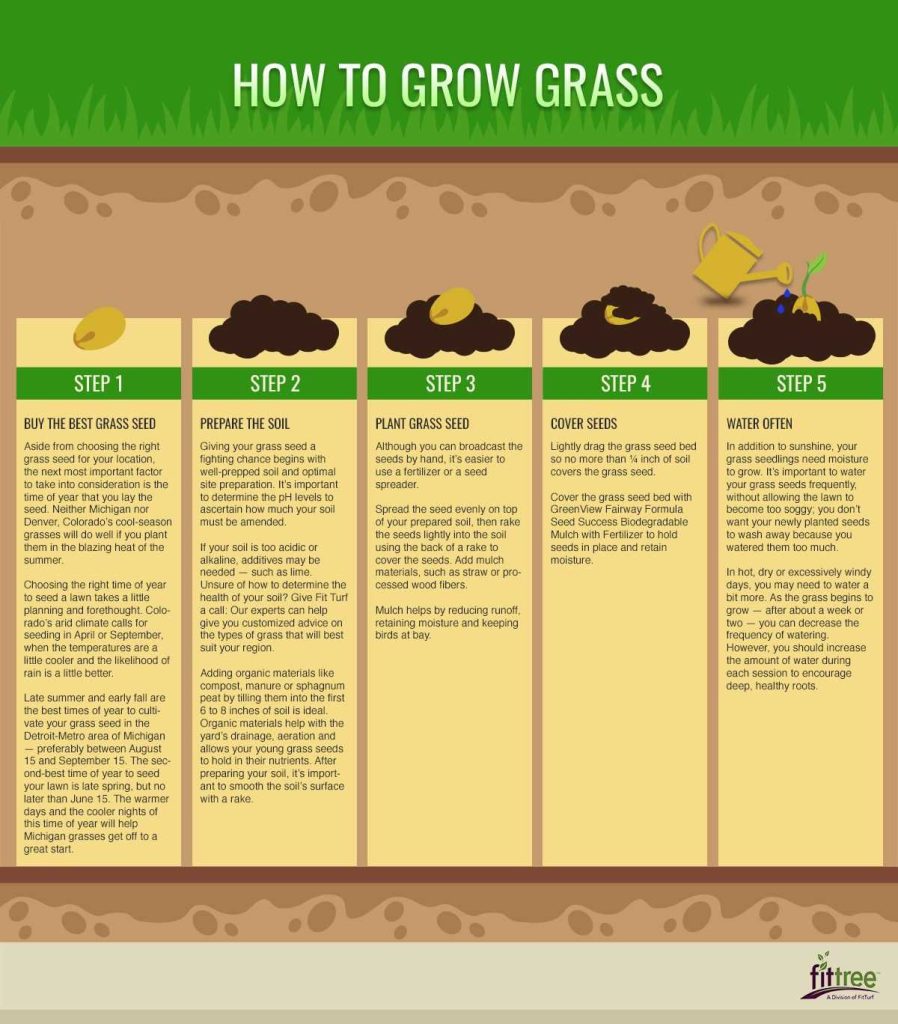
Growing grass from seed typically takes about 7 to 21 days, depending on the grass type and environmental conditions. Factors like soil temperature, moisture, and sunlight play crucial roles in this timeline. If you’re eager for a lush lawn, selecting the right type of grass for your region and preparing the soil properly will set you up for success. Once you’ve sown the seeds, be patient and ensure you provide the right care. Remember, the key to a healthy lawn lies not just in how fast the grass grows, but also in how well it establishes itself. In this article, we’ll dive deeper into the process, including tips for choosing seeds, the best planting practices, and how to maintain your grass for optimal growth.

How Long to Grow Grass from Seed
Growing grass from seed can be a rewarding experience. It offers you the chance to create a lush, green lawn that enhances your home’s curb appeal. However, understanding the timeline for growing grass from seed can be crucial to your success. Let’s dive into the various factors that influence how long it takes for grass to grow and flourish.
Understanding Grass Seed Germination
Before we talk about how long it takes for grass to grow, we need to understand **grass seed germination**. Germination is the process where seeds sprout and begin to grow. This is a critical stage for grass plants.
Typically, grass seeds take about **7 to 14 days** to germinate, depending on the grass type and environmental conditions. Cool-season grasses may take a bit longer than warm-season grasses.
Types of Grass Seeds
There are two main types of grass seeds: cool-season and warm-season. Each type has its unique growth period.
- Cool-Season Grasses: These thrive in the northern regions and grow best in spring and fall. Examples include Kentucky bluegrass and tall fescue.
- Warm-Season Grasses: These grow well in southern climates and prefer the heat of summer. Examples include Bermuda and zoysia grass.
Understanding these differences will help you choose the right seed for your location, which can affect the growth timeline.
Factors Affecting Growth Time
Several factors can influence how long it takes for grass to grow from seed. Paying attention to these elements can help speed up the growth process.
Soil Quality
Healthy soil supports strong grass growth. Important nutrients include nitrogen, phosphorus, and potassium. Testing your soil can help you understand its pH and nutrient content.
– If the soil is compacted, it can hinder root growth.
– Adding organic matter can improve soil structure and fertility.
Watering Practices
Water is vital for germination and growth. Newly planted seeds need consistent moisture.
– Watering lightly and frequently is better than soaking the soil.
– After germination, reduce frequency but increase the depth of watering.
Temperature
Temperature plays a significant role in how quickly grass germinates.
– Cool-season grasses prefer temperatures between **60°F and 75°F.**
– Warm-season grasses thrive in temperatures above **80°F.**
It’s essential to plant your seeds at the right time for optimal growth.
Timeline for Grass Growth
Now, let’s break down the typical timeline for grass growth from seed to a fully established lawn.
Weeks 1-2: Germination
In the first couple of weeks, you’ll see the seeds germinating. This is when the seeds absorb moisture and begin to sprout.
– Expect to see small shoots emerging from the soil.
– Keep the soil moist but not soggy.
Weeks 3-4: Seedling Development
After germination, the grass enters the seedling stage.
– During this period, grass plants will develop roots and leaves.
– It’s essential to keep the grass healthy by watering and avoiding foot traffic on the new seedlings.
Weeks 5-6: Establishment
At this stage, the grass starts to fill in the bare patches.
– You should notice a denser lawn by week six.
– Consider mowing for the first time once the grass reaches about 3 inches in height.
Weeks 7-8: Early Maturity
By this time, the lawn should look fuller.
– Continue with proper mowing and watering practices.
– Fertilizing can also help promote further growth.
Tips for Successful Grass Seed Growth
To ensure the best results for your new lawn, consider these helpful tips.
- Choose the Right Grass Type: Make sure to select a grass that suits your climate and soil.
- Prepare the Soil Properly: Tilling and removing debris will give your seeds the best chance.
- Maintain Consistent Care: Regular watering and mowing are key to a healthy lawn.
- Utilize Mulch: A light layer of mulch can help retain moisture and improve germination.
Common Problems and Solutions
Even with the best care, issues can arise during the grass-growing process.
Weeds
Weeds can compete with your grass for nutrients and water.
– Consider using a pre-emergent herbicide before planting.
– If weeds appear, hand-pulling or spot-treating them can help control their growth.
Pests
Insects can sometimes damage young grass plants.
– Monitor the area for any signs of pest damage.
– Use organic pest control methods when possible to protect your lawn.
Fungal Diseases
Fungi can thrive in moist conditions, leading to diseases.
– Avoid overwatering and ensure proper air circulation.
– If you notice signs of disease, treat them promptly with fungicides.
Understanding the Maintenance Phase
Once your grass is established, ongoing maintenance is crucial for keeping it healthy.
Mowing
Regular mowing is essential for a healthy lawn.
– Set your mower to the recommended height for your grass type.
– Mow regularly to encourage dense growth.
Watering
Water your established lawn deeply but infrequently.
– Aim for about **1 inch of water per week.**
– Adjust based on rainfall and temperature.
Fertilization
Fertilizing helps provide nutrients to your grass.
– Apply granular fertilizers in the spring and fall.
– Follow the manufacturer’s instructions for application rates.
Growing grass from seed takes patience and care. Typically, you can expect a fully established lawn in about **8 to 12 weeks**, depending on the type of grass and your local conditions. Remember to choose the right grass seeds, prepare your soil properly, and provide consistent care.
With some time and effort, your new lawn can become a beautiful and functional part of your home. Enjoy the process, and soon you’ll have a lush green yard to enjoy!
How Long Does It Take Grass Seed to Grow?
Frequently Asked Questions
“`html
How does weather affect grass seed germination?
The weather plays a crucial role in grass seed germination. Optimal temperatures for most grass seeds range from 60°F to 75°F. Warm weather promotes faster growth, while cold or excessively hot conditions can delay germination. Additionally, adequate moisture from rainfall or irrigation is essential for seed activation and sprouting.
What factors influence the time it takes for grass to grow from seed?
Can soil preparation speed up grass seed growth?
Yes, proper soil preparation can significantly speed up grass seed growth. Aerating the soil, removing debris, and adding organic matter improve seed-to-soil contact and enhance nutrient and moisture retention. Well-prepared soil creates an ideal environment for seeds to germinate and establish quickly.
What should I expect during the grass growth process?
During the grass growth process, you can expect to see several stages. Initially, grass seeds will begin to germinate, revealing tiny sprouts within one to three weeks. Following germination, you will see the grass grow taller and thicker over the next several weeks, provided you maintain proper watering and care.
How can I ensure healthy grass growth after seeding?
To ensure healthy grass growth after seeding, regularly water the area to keep the soil consistently moist, but avoid overwatering. Mow the grass at the appropriate height to encourage lateral growth and application of a suitable fertilizer can also promote healthy development. Monitor for pests and diseases to address any issues early on.
“`
Final Thoughts
Growing grass from seed typically takes about 7 to 30 days, depending on the grass type and environmental conditions. Factors like soil quality, moisture, and temperature can significantly influence this timeline.
To ensure successful germination, prepare the soil well and keep it consistently moist. Providing adequate sunlight also promotes quicker growth.
In summary, understanding how long to grow grass from seed helps you set realistic expectations for a lush lawn. By managing the conditions effectively, you can achieve the best results in a shorter time frame.