You've noticed your nandina looking a little bare, and you're wondering what's going on. It's a common worry, especially since these shrubs are supposed to be evergreen. When you see leaves dropping, it's natural to feel a bit concerned about the health of your plant.
Nandina domestica, often called heavenly bamboo, is a popular landscape choice known for its vibrant foliage and hardiness across USDA zones 6 through 9. While it generally holds its leaves year-round, several factors can cause unexpected leaf loss. Understanding these reasons is the first step to getting your nandina back to its lush self.
Our research into common nandina issues points to a few primary culprits, and we'll walk you through how to figure out exactly what's happening with yours.
Quick Answer
Nandina leaf loss often signals environmental stress. This includes improper watering, extreme temperatures, or insufficient light. Pests and diseases can also cause leaves to drop.
Sometimes, it's just natural shedding of older foliage.
Why Is My Nandina Losing Its Leaves? A Diagnostic Guide
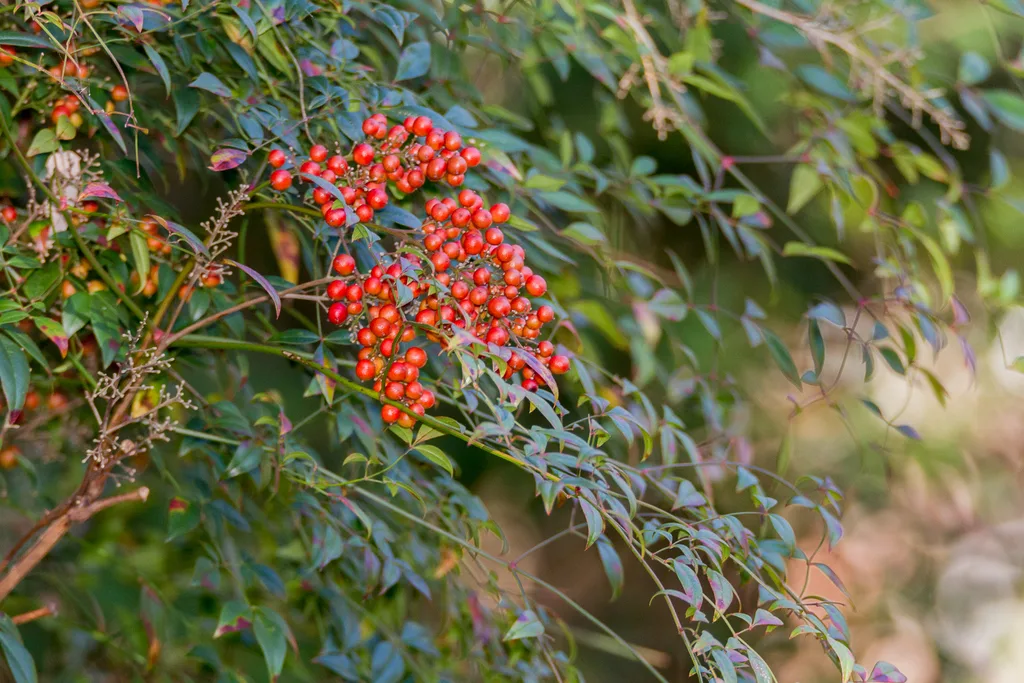
Image source: iNaturalist / Terry Woodward (CC BY)
Understanding Nandina: Evergreen, But Not Always Predictable
Nandina domestica, commonly known as heavenly bamboo, is a widely planted evergreen shrub. It's prized for its delicate, compound foliage that often shifts through shades of green, red, bronze, and even purple, especially in cooler weather. Many homeowners choose it for its year-round interest and relatively low maintenance.
While nandina is classified as an evergreen, its leaf retention isn't always absolute, particularly in colder climates within its hardiness range. In USDA zones 6 and 7, it might exhibit semi-evergreen or even deciduous behavior, meaning it can lose a significant portion of its leaves during harsh winters. This is a natural response to cold stress and doesn't necessarily mean your plant is dying.
The key is to distinguish between this natural, seasonal leaf drop and leaf loss caused by an underlying problem. A healthy nandina will typically shed older, inner leaves as new growth emerges, which is a normal part of its growth cycle. However, widespread or sudden leaf loss, especially on newer growth, usually points to an issue that needs your attention.
Is It Normal? When Nandina Leaf Drop Is Natural
Before you panic, it's good to know that some leaf shedding is perfectly normal for nandina. Like many plants, nandina will periodically shed its oldest leaves, usually those located on the innermost parts of the stems. This often happens in spring or early summer as the plant puts energy into producing fresh, new foliage.
You might also notice a more pronounced leaf drop in late winter or early spring, especially after a particularly cold snap. This is the plant's way of conserving energy and protecting itself from frost damage. The leaves that drop are often the ones most exposed to the elements, and the plant will typically recover with new growth once warmer temperatures arrive.
If the leaf loss is minimal, primarily affecting older leaves, and the plant otherwise looks healthy with new buds forming, then it's likely just a natural process. There's usually no cause for alarm in these situations, and your nandina should bounce back on its own.
Environmental Stress: Weather, Water, and Light Issues
Environmental factors are among the most common reasons for nandina leaf loss. These plants are adaptable, but they have their preferences, and extreme conditions can push them past their limits.
Watering Woes: Too Much or Too Little
Both overwatering and underwatering can cause nandina leaves to yellow and drop. Nandina prefers consistently moist but well-drained soil. If the soil stays soggy for extended periods, the roots can suffocate and rot, leading to leaf loss.
Conversely, prolonged drought stress will also cause leaves to dry out, turn brown, and fall.
To check soil moisture, stick your finger about two inches into the soil near the base of the plant. If it feels consistently wet, you might be overwatering. If it's bone dry, your nandina is thirsty.
Adjust your watering schedule accordingly, aiming for deep, infrequent watering rather than shallow, frequent sprinkles.
Temperature Extremes and Sunlight
Nandina thrives in full sun to partial shade. While it can tolerate some shade, too little light can lead to sparse foliage and leaf drop as the plant struggles to photosynthesize efficiently. On the other hand, intense, direct afternoon sun in hotter climates can scorch leaves, causing them to brown and fall.
Extreme cold is another major factor. While nandina is hardy, sudden drops in temperatures below its tolerance (around 5-10°F for most cultivars) can cause significant leaf damage and loss. Similarly, prolonged heatwaves without adequate moisture can stress the plant.
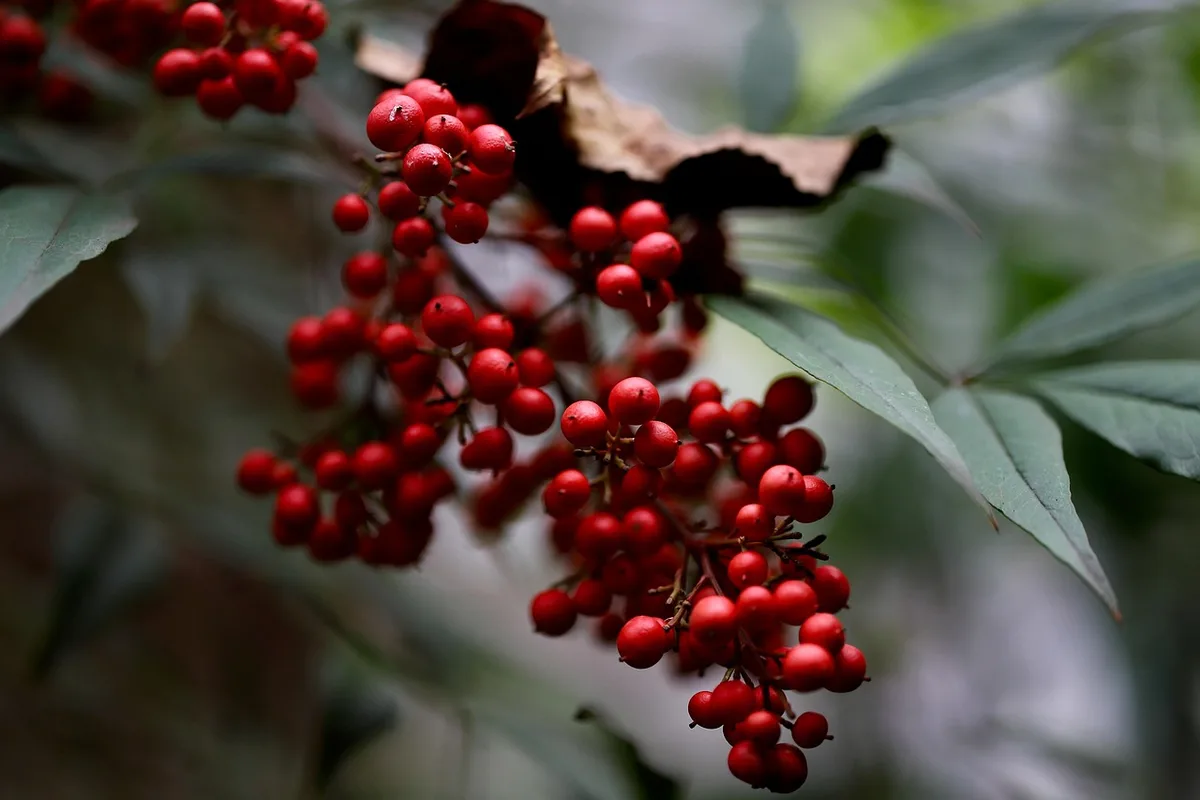
Image source: Pixabay / Nennieinszweidrei (Pixabay Content License)
Soil and Root Problems: The Hidden Causes
Sometimes the issue isn't what you see above ground, but what's happening beneath the surface. Soil conditions and root health are critical for nandina, and problems here can manifest as leaf loss.
Poor Drainage and Compacted Soil
Nandina needs well-draining soil. If your soil is heavy clay or compacted, water can pool around the roots, leading to root rot. This fungal disease prevents roots from absorbing nutrients and water, causing the plant to decline and drop leaves.
You might also notice a general wilting or yellowing of the plant.
To improve drainage, consider amending the soil with organic matter like compost or planting your nandina in a raised bed. If you suspect root rot, gently dig around the base of the plant to inspect the roots. Healthy roots are firm and light-colored, while rotting roots are dark, mushy, and often have a foul odor.
Nutrient Deficiencies
While nandina isn't a heavy feeder, a lack of essential nutrients can impact its health and lead to leaf discoloration and drop. A general-purpose, slow-release fertilizer applied in early spring can usually provide what's needed. However, overly alkaline soil can make certain nutrients unavailable to the plant, even if they're present.
If your soil pH is too high (above 7.0), you might need to amend it with sulfur or use an acidifying fertilizer. A soil test can provide precise information about your soil's pH and nutrient levels, helping you target any deficiencies effectively.
Image source: Pixabay / Nennieinszweidrei (Pixabay Content License)
Pests and Diseases: Identifying Biological Threats
Although generally robust, nandina can occasionally fall prey to certain pests and diseases that cause leaf loss.
Common Pests
Scale insects are a frequent nuisance for nandina. These tiny, immobile pests attach themselves to stems and leaves, sucking sap and weakening the plant. You might notice small, bumpy growths on the stems or a sticky residue (honeydew) on the leaves, which can also lead to sooty mold.
Heavy infestations can cause leaves to yellow and drop.
Aphids are another possibility. These small, soft-bodied insects cluster on new growth, distorting leaves and secreting honeydew. While rarely fatal, severe aphid infestations can stress the plant enough to cause leaf loss.
For minor infestations, a strong spray of water can dislodge pests. For more persistent problems, horticultural oil or insecticidal soap can be effective. Always follow product instructions carefully.
Diseases to Watch For
Bacterial leaf scorch, caused by the bacterium Xylella fastidiosa, is a more serious issue. It causes leaves to brown and crisp at the margins, often starting on one branch and spreading. There's no cure for bacterial leaf scorch, and infected plants may eventually die.
It's often spread by insects like leafhoppers.
Fungal diseases, such as various leaf spots, can also cause leaf discoloration and premature drop. These are often more prevalent in humid conditions or when air circulation around the plant is poor. Removing affected leaves and improving air circulation can help manage fungal issues.
Image source: Pixabay / Nennieinszweidrei (Pixabay Content License)
Cultural Practices: Mistakes in Care That Cause Leaf Loss
Sometimes, our well-intentioned gardening habits can inadvertently stress nandina. Over-fertilizing, for instance, can burn roots and lead to leaf drop. Always follow the recommended application rates on fertilizer packages, and when in doubt, use less rather than more.
Improper pruning can also be a factor. While nandina tolerates pruning well, cutting back too hard or at the wrong time (like late fall) can stimulate new growth that's vulnerable to frost damage, leading to subsequent leaf loss. The best time to prune nandina is late winter or early spring, just before new growth begins.
Planting too deep is another common mistake. The root flare, where the roots begin to branch from the trunk, should be at or slightly above the soil line. If buried too deep, the stem can rot, and the plant will struggle to take up water and nutrients, resulting in leaf loss.
Step-by-Step Diagnosis: Pinpointing Your Nandina's Problem
Figuring out the exact cause of your nandina's leaf loss requires a bit of detective work. Follow these steps to narrow down the possibilities.
1. Observe the Pattern of Leaf Loss
Where are the leaves dropping from? If it's primarily older, inner leaves, it's likely natural shedding. If it's newer growth or widespread across the plant, there's probably an environmental or health issue at play.
2. Check the Leaves Themselves
Are they yellowing, browning at the tips, or showing spots? Yellowing often points to water issues or nutrient deficiency. Browning tips can indicate sun scorch or chemical damage.
Spots might suggest a fungal disease.
3. Inspect for Pests
Look closely at the stems and undersides of remaining leaves. Do you see any small bumps (scale insects), tiny soft-bodied insects (aphids), or webbing (spider mites)? Use a magnifying glass if needed.
4. Assess Soil Moisture and Drainage
Stick your finger into the soil. Is it soggy, bone dry, or just right? Also, consider how quickly water drains after rain or watering.
Poor drainage can lead to root rot.
5. Review Recent Weather and Care
Have there been extreme temperatures, heavy rains, or drought? Did you recently fertilize, prune, or apply any chemicals nearby? These events can provide crucial clues.
How to Fix It: Targeted Solutions for Each Cause
Once you've identified the likely cause, you can take specific action to help your nandina recover.
For Watering Issues
Adjust your watering schedule. If overwatering is the problem, let the soil dry out more between waterings. If underwatering, provide a deep soak.
Adding a layer of mulch around the base of the plant (keeping it a few inches from the stem) helps retain moisture and regulate soil temperature.
For Environmental Stress
If your nandina is getting too much harsh afternoon sun, consider providing some shade during the hottest part of the day. For cold damage, there's not much to do except wait for new growth. Ensure the plant is well-watered before a hard freeze to help it withstand cold.
For Soil and Root Problems
Improve drainage by amending heavy soil with compost or creating a raised planting area. If root rot is severe, you might need to carefully dig up the plant, trim away affected roots, and replant in better-draining soil. Address nutrient deficiencies with appropriate fertilizers based on a soil test.
For Pests and Diseases
Treat scale insects or aphids with horticultural oil or insecticidal soap. For bacterial leaf scorch, there's no cure, and infected plants should be removed to prevent spread. Fungal issues can often be managed by improving air circulation and removing affected foliage.
When to Worry: Signs Your Nandina Might Not Recover
While nandina is resilient, there are times when the damage might be too severe. If you notice extensive dieback of branches, where entire sections of the plant are brittle and leafless, it could indicate a serious root problem or widespread disease.
A complete lack of new growth by late spring, especially after a harsh winter, is another red flag. If the stems are green and flexible when you scratch the bark, there's still hope. If they're brown and brittle all the way down, that part of the plant is likely dead.
Foul odor emanating from the base of the plant or mushy, black roots upon inspection are strong indicators of advanced root rot, which is often fatal. In these cases, it might be more practical to remove the plant and start fresh with a new, healthy nandina or an alternative shrub.
Preventing Future Leaf Loss: Long-Term Nandina Care
The best way to deal with nandina leaf loss is to prevent it from happening in the first place. A little proactive care goes a long way.
Planting for Success
Choose a location with well-draining soil and adequate sunlight (at least 4-6 hours of direct sun). When planting, ensure the root flare is at the soil level. Water deeply after planting and regularly for the first year until the plant is established.
Consistent Watering
Once established, nandina is fairly drought-tolerant, but it still benefits from consistent moisture, especially during dry spells. Aim for about an inch of water per week, either from rainfall or supplemental irrigation.
Appropriate Fertilization
Feed your nandina once in early spring with a balanced, slow-release fertilizer. Avoid over-fertilizing, as this can do more harm than good. A soil test every few years can help you fine-tune your nutrient applications.
Regular Monitoring
Keep an eye on your nandina throughout the year. Look for early signs of pests, diseases, or environmental stress. Catching problems early makes them much easier to manage.
Nandina Alternatives: Considering Other Evergreen Shrubs
If you've had persistent issues with nandina, or if you're looking for a native alternative, several other evergreen shrubs offer similar aesthetic appeal without some of nandina's drawbacks.
Native Hollies (Ilex species)
Many native hollies, like Ilex vomitoria (Yaupon Holly) or Ilex glabra (Inkberry Holly), provide excellent evergreen foliage and are well-adapted to various soil conditions. They also offer berries for wildlife.
Itea virginica (Virginia Sweetspire)
While often deciduous, some cultivars can be semi-evergreen in milder climates. It offers beautiful fall color and fragrant white flowers in spring.
Callicarpa americana (American Beautyberry)
This deciduous shrub is known for its stunning purple berries in fall. It's a great native option for attracting birds.
When choosing an alternative, consider your specific climate, soil, and light conditions to ensure the new shrub thrives in your landscape.
Expert Tips for Healthy, Happy Nandinas
Here are a few extra pointers to keep your nandina looking its best.
- Mulch annually with a 2-3 inch layer of organic mulch to conserve moisture, regulate soil temperature, and suppress weeds.
- Prune selectively to maintain shape and remove any dead or damaged branches. Avoid shearing, which can ruin the plant's natural form.
- Monitor for pests regularly, especially scale insects, and treat them promptly to prevent widespread damage.
- Consider the mature size of your nandina cultivar when planting. Some varieties, like 'Gulfstream', stay compact, while others can reach 6-8 feet tall.
Frequently Asked Questions
Is it normal for nandina to lose leaves in winter?
Yes, it's quite normal, especially in colder parts of its hardiness range (USDA zones 6 and 7). Nandina may lose some or even most of its leaves during harsh winters, but it typically recovers with new growth in spring.
Can nandina leaves grow back after dropping?
Yes, in most cases. If the leaf loss is due to environmental stress, pests, or diseases, and the underlying issue is addressed, the plant will usually produce new leaves. However, if the stems are dead, new growth won't occur from those parts.
What do yellow leaves on nandina mean?
Yellowing leaves on nandina often indicate a watering problem (too much or too little), a nutrient deficiency, or sometimes root rot. It's a general sign of stress, so you'll need to investigate further to pinpoint the exact cause.
How often should I water my nandina?
Once established, nandina is fairly drought-tolerant. During dry periods, a deep watering once a week is usually sufficient. The key is to ensure the soil drains well and doesn't stay constantly soggy.
Are nandina berries toxic?
Yes, nandina berries contain cyanogenic glycosides, which can be toxic to birds, cats, dogs, and livestock if ingested in large quantities. If you have pets or livestock, consider removing the berries or choosing a cultivar that doesn't produce them.
Final Verdict: Getting Your Nandina Back on Track
Discovering your nandina is losing its leaves can be alarming, but it's often a solvable problem. By systematically checking for environmental stressors, soil issues, pests, and diseases, you can usually identify the cause. Most nandinas are tough plants and will bounce back with the right care.
Give your plant some attention, make the necessary adjustments, and you'll likely see it return to its full, vibrant self.