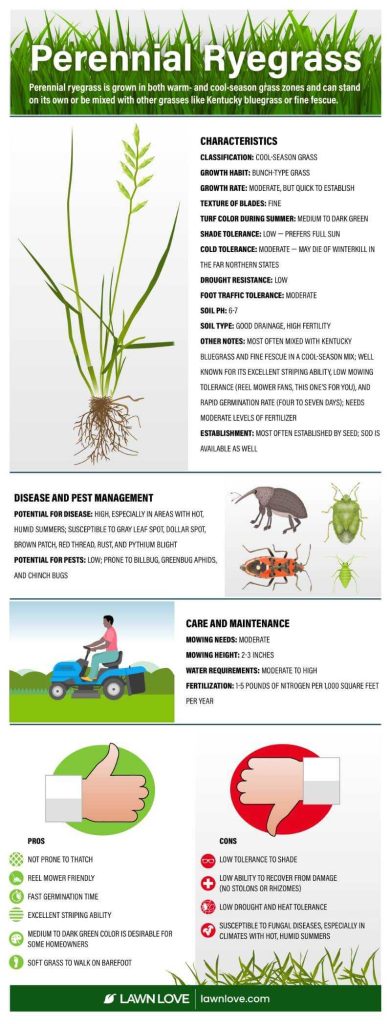
Perennial ryegrass typically germinates within 7 to 14 days under ideal conditions. However, factors like soil temperature, moisture, and seed quality can influence this timeline. For a lush, green lawn, patience is key as the grass establishes itself.
Perennial ryegrass germinates in about one to two weeks, making it a popular choice for quick lawn coverage. With proper care and optimal conditions, you’ll see your new grass sprouting in no time, setting the stage for a beautiful outdoor space.
Starting a new lawn or overseeding an existing one can be exciting but also a bit nerve-wracking if you’re eager to see results. Perennial ryegrass, known for its fast germination and vibrant green color, is favored by many homeowners and landscapers. The key to successful germination is understanding the right conditions—soil temperature between 50°F and 70°F (10°C to 21°C), moist soil, and good seed-to-soil contact. Keep the soil consistently moist but not waterlogged, and consider using a starter fertilizer to give your seeds a boost. Usually, within a week to two weeks, you’ll start seeing tiny green shoots emerging, signaling that your efforts are paying off and your lawn is on its way to becoming a lush, durable carpet of grass.

How Long for Perennial Ryegrass to Germinate
Perennial ryegrass is a popular choice for lawns, sports fields, and pastures because it grows quickly and creates a lush, green cover. Many gardeners and landscapers want to know exactly how long it takes for this grass to start growing after planting. Understanding the germination timeline helps with planning and assures successful lawn establishment. In this section, we’ll explore the detailed timeline and factors affecting germination of perennial ryegrass.
Understanding the Germination Process of Perennial Ryegrass
Germination begins when the seed starts to sprout and grow into a new plant. For perennial ryegrass, this process involves several key stages that can influence how fast it occurs.
When seeds are placed in suitable soil conditions, they absorb water, which activates enzymes and triggers growth. The first visible sign of germination is the emergence of the seed’s root, known as the radicle. Following this, the shoot, or shoot tip, pushes through the soil surface.
The overall speed depends on several factors, including temperature, moisture, seed quality, and soil conditions. A clear understanding of these can help optimize germination timeframes.
Typical Germination Time for Perennial Ryegrass
Under optimal conditions, perennial ryegrass typically germinates within a specific timeframe.
Generally, you can expect to see the first seedlings emerge between **5 to 14 days** after sowing.
However, this period can vary based on environmental factors and seed quality. Some seeds may sprout as early as **4 days**, while others might take up to **2 weeks**.
It’s important to note that rapid germination favors well-prepared soil and ideal weather conditions.
Factors That Influence Germination Speed
Several variables play a role in how quickly perennial ryegrass germinates.
Soil Temperature
Soil temperature significantly affects seed germination. The optimal temperature range for perennial ryegrass is between **50°F and 75°F** (10°C to 24°C).
Within this range, germination proceeds most quickly. Temperatures below this range slow down the process, while higher temperatures can cause stress and inhibit growth.
Moisture Levels
Adequate moisture is critical for seed activation.
The soil should be kept consistently moist but not waterlogged.
Too little water delays germination, while excess water can lead to fungal diseases or seed rot.
Aim for a moist soil that remains damp without pooling.
Seed Quality
High-quality seeds with good vigor tend to germinate faster.
Select fresh, certified seeds to ensure viability.
Old or damaged seeds may take longer to sprout or may not germinate at all.
Soil Preparation and Conditions
Proper soil preparation promotes quick germination.
Ensure the soil is well-draining, loose, and free of weeds or debris.
Adding a thin layer of seed-starting mix can improve germination rates.
Steps to Encourage Faster Germination
Optimizing your planting process can lead to quicker seed sprouting.
- Choose the Right Time: Plant ryegrass when soil temperatures are within the optimal range, usually in early fall or spring.
- Prepare the Soil: Loosen the soil and add compost or fertilizer if necessary to enhance nutrients.
- Plant at the Correct Depth: Sow seeds approximately 1/4 inch deep for best results.
- Maintain Consistent Moisture: Water gently but regularly to keep the soil moist throughout germination.
- Avoid Disturbance: Minimize foot traffic or soil disruption until the seeds are established.
Extended Factors That May Delay Germination
While many conditions support quick sprouting, some issues can prolong germination time.
- Unfavorable Weather: Extended cold spells or drought conditions can slow down germination.
- Soil Compaction: Dense or poorly drained soil hinders seedling emergence.
- Poor Seed Quality: Old or improperly stored seeds may have reduced viability.
- Pest Infestation: Birds or insects may disturb or eat the seeds, delaying sprouting.
How to Monitor Germination Progress
Monitoring helps ensure your seeds are on track to sprout within expected timeframes.
Check soil moisture levels regularly and maintain even watering.
Look for the first signs of green shoots surfacing from the soil, usually within one to two weeks.
If no germination appears after this period, review your soil conditions, seed quality, and planting technique for potential issues.
Impacts of Climate and Seasons on Germination Time
Different times of the year can influence how quickly perennial ryegrass germinates.
In spring, with warmer, wetter soil, germination tends to be faster.
Conversely, in autumn or winter, colder temperatures may extend the germination period or prevent it altogether.
Planning your planting schedule around seasons and weather forecasts can improve outcomes.
Summary of Key Points
| Factor | Optimal Conditions | Effect on Germination |
|---|---|---|
| Temperature | 50°F to 75°F (10°C to 24°C) | Speeds up germination; too cold or hot delays it |
| Moisture | Consistently moist soil | Essential for seed activation; dryness delays sprouting |
| Seed Quality | Fresh, certified seeds | Faster and more reliable germination |
| Soil Condition | Well-draining, loose soil | Improves seed emergence and reduces disease risk |
In conclusion, the time it takes for perennial ryegrass to germinate typically falls within a one to two-week window when conditions are ideal. Monitoring environmental factors and properly preparing your planting site can help ensure rapid and successful germination. Understanding these detailed aspects allows for better lawn planning and higher germination success rates.
The FASTEST way to Grow Grass Seed!!
Frequently Asked Questions
What environmental conditions influence the speed of perennial ryegrass germination?
Perennial ryegrass germinates more quickly when soil temperatures are between 10°C and 20°C (50°F and 68°F). Consistent moisture levels and good soil contact also promote faster germination. Excessively dry or cold conditions can slow down the process, while overly warm temperatures may inhibit seed development. Ensuring optimal environmental conditions helps achieve quicker germination times.
How does the preparation of the seedbed affect germination rates?
A well-prepared seedbed promotes uniform seed contact with the soil, which accelerates germination. Loosen the soil by aerating and removing weeds or debris. Incorporate organic matter if necessary to improve soil fertility and moisture retention. Proper seedbed preparation creates an ideal environment, allowing seeds to sprout more rapidly and uniformly.
What is the typical time frame for perennial ryegrass to emerge after planting?
Perennial ryegrass usually emerges within 7 to 14 days after planting under optimal conditions. Factors such as soil temperature, moisture, and seed quality can influence this period. Warmer, consistently moist conditions tend to produce faster germination, while cooler or drier environments might extend the time before seedlings appear.
Can soil moisture levels impact the germination speed of perennial ryegrass?
Yes, maintaining consistent soil moisture is crucial for quick germination. Too little moisture causes seeds to dry out and delay sprouting, while excessive water can lead to seed rot or fungal issues. Keep the soil consistently moist but not waterlogged to support optimal seed growth and expedite germination.
Does seed freshness affect how quickly perennial ryegrass germinates?
Fresh, high-quality seeds tend to germinate faster compared to older or poorly stored seeds. Over time, seed viability decreases, which can slow down germination rates. Using fresh seeds from reputable sources increases the likelihood of quicker and more uniform germination times.
Final Thoughts
Perennial ryegrass typically germinates within 7 to 14 days after planting, depending on soil conditions and temperature.
Consistent moisture and moderate temperatures speed up the germination process.
Patience is key, as the grass often takes a little longer to sprout in cooler or inconsistent conditions.
In conclusion, how long for perennial ryegrass to germinate varies but generally falls within that 7-14 day window.