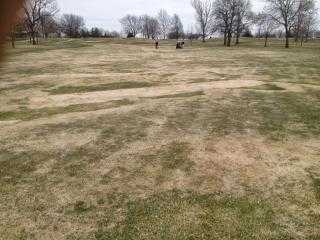
Perennial ryegrass generally survives winter, but its vitality can vary based on climate and care. While it often stays green through cold months, extreme weather can cause it to go dormant or suffer damage. Proper maintenance and choosing the right variety can help your lawn remain healthy year-round.
In short, perennial ryegrass doesn’t typically die in winter; instead, it often goes dormant, especially in colder climates. With proper care, it can bounce back in spring, maintaining a lush, green appearance. Understanding how it reacts to winter conditions can help you keep your lawn vibrant and healthy all year long.
As winter approaches, many lawn enthusiasts wonder whether perennial ryegrass will survive the cold months. Known for its quick germination and lush green color during warmer seasons, this grass type is popular for lawns and sports fields. However, winter can be tough on all plants, and it’s natural to question whether perennial ryegrass will endure the chill or die off. The good news is that perennial ryegrass is quite resilient, especially in milder climates. It often becomes dormant during harsh winter periods, turning brown or yellow, but it doesn’t necessarily die. Proper winter care, such as aeration, fertilization, and avoiding excessive foot traffic, can help your lawn emerge healthy and vigorous in the spring. Understanding its winter response allows you to prepare and protect your lawn, ensuring it remains a beautiful green space year-round.

Does Perennial Ryegrass Die in the Winter?
Understanding Perennial Ryegrass and Its Growth Cycle
Perennial ryegrass is a popular grass type used for lawns, sports fields, and pastures. It is known for its quick germination and lush green appearance. This grass typically thrives in cool seasons but can withstand some winter conditions. Its growth cycle includes active growth in spring and fall, while summer and winter may bring changes in its appearance and health.
During the colder months, perennial ryegrass often becomes less vigorous. It may slow down its growth or enter a state of dormancy, depending on the severity of winter conditions. This behavior helps it survive harsh weather and resume growth when conditions improve.
Does Perennial Ryegrass Actually Die in Winter?
In most cases, perennial ryegrass does not completely die during winter. Instead, it often enters a dormant state where growth slows significantly. This dormancy acts as a natural survival mechanism against freezing temperatures and snow.
However, extreme cold, prolonged frosts, or snow cover can cause some damage to the grass. If the conditions are particularly harsh, parts of the grass may turn brown or appear dead temporarily. But with the arrival of warmer weather, perennial ryegrass usually regrows from its root system instead of dying off entirely.
How Cold Temperatures Affect Perennial Ryegrass
Perennial ryegrass is **not fully winter-hardy** but can tolerate cold temperatures to an extent. It survives temperatures as low as 10°F (-12°C), especially if the winter is not prolonged.
When temperatures drop below freezing, the grass cells can freeze, causing damage to the plant tissues. Snow cover offers some insulation, protecting the grass from extreme cold. Without snow, cold winds and frost may harm the grass more severely.
Understanding these temperature thresholds helps gardeners decide on care and protection strategies for their turf during winter.
Factors That Influence Ryegrass Survival During Winter
Several environmental factors determine whether perennial ryegrass survives or suffers damage in winter:
- Snow Cover: Acts as an insulating blanket, protecting grass from freezing temperatures.
- Soil Drainage: Well-drained soil prevents waterlogging and root rot during thawing periods.
- Frost Frequency: Prolonged frosts can damage the turf, especially if it’s established on sensitive soil types.
- Grass Health: Strong, healthy grass with deep roots is more likely to survive winter setbacks.
- Recent Lawn Management: Mowing height and fertilization can influence how well ryegrass withstands winter stress.
Maintaining good turf health before winter helps improve its chances of surviving cold conditions.
Strategies to Protect Perennial Ryegrass in Winter
To help perennial ryegrass survive winter, consider the following tips:
Proper Mowing
Keeping your grass at a taller height (about 2 to 3 inches) provides some insulation against cold. Taller grass blades trap more air, offering natural warmth.
Fertilization
Applying a slow-release, winter-safe fertilizer in late fall encourages strong root development. Healthy roots better resist cold stress.
Minimize Traffic and Disturbance
Avoid heavy foot traffic during winter months. Compacting the soil can harm roots and reduce the grass’s resilience.
Use of Turf Covers and Mulch
In colder regions, covering the lawn with burlap or applying light layer of mulch can protect roots from freeze-thaw cycles.
Watering Wisely
Water your lawn before the ground freezes. Moist soil retains heat better, but avoid overwatering which can cause root rot when cold conditions persist.
What Happens If Perennial Ryegrass Does Not Survive Winter?
If your ryegrass suffers extensive damage during winter, it may struggle to regrow in spring. In these cases, re-seeding or overseeding can rejuvenate the lawn.
Some damage may be temporary, and the grass can recover naturally as soil warms up. However, persistent cold damage might require reseeding or lawn renovation for a full comeback.
Comparing Perennial Ryegrass with Other Cool-Season Grasses
Perennial ryegrass is often compared with other cool-season grasses like Kentucky bluegrass and fescue. Here’s a quick comparison:
| Grass Type | Winter Hardiness | Growth Rate | Maintenance Needs | Best Use |
|---|---|---|---|---|
| Perennial Ryegrass | Moderate; survives cold but can be damaged | Fast | Moderate; requires regular mowing | Lawns, sports fields, overseeding |
| Kentucky Bluegrass | High; very cold tolerant | Moderate | Higher; needs more water and fertilization | Lawn lawns in cold regions |
| Fescue | Very high; excellent cold tolerance | Slow | Low; drought and cold resistant | Shade-tolerant lawns in cold climates |
Knowing these differences can help decide which grass type to plant based on your winter climate.
Long-term Care for Perennial Ryegrass Through Winter
Ensuring your perennial ryegrass remains healthy all year involves ongoing lawn care. Regular aeration and proper watering optimize root health, crucial for winter survival.
Seasonal overseeding helps fill in damaged areas and maintain a dense turf that resists cold and pests. Overall, consistent lawn maintenance creates stronger grass capable of withstanding winter setbacks.
Summary
Perennial ryegrass does not typically die completely in winter but often goes into dormancy, especially in cold regions. Cold temperatures, frost, snow cover, and soil conditions influence its survival. Proper lawn management and winter protections enhance its chances to survive and bounce back come spring.
While ryegrass is resilient, extreme winter conditions can cause damage. With proper care, most lawns recover quickly, making perennial ryegrass a practical choice for many cool-season turf applications.
Perennial Ryegrass Pros and Cons
Frequently Asked Questions
How does perennial ryegrass survive winter conditions?
Perennial ryegrass has a strong ability to tolerate cold temperatures, especially when established well before winter. It enters dormancy during cold months, which helps it conserve energy and resist damage from frost. Proper maintenance, such as fertilization and adequate watering before the cold season, can further support its winter resilience.
Can perennial ryegrass recover after harsh winter weather?
Yes, perennial ryegrass often recovers quickly after harsh winter conditions. Its deep root system helps it to regrow once temperatures rise and the growing season begins. Providing it with proper nutrients in early spring encourages healthy regrowth and ensures a lush, green lawn.
What factors influence perennial ryegrass’s winter survival rates?
Several factors affect its ability to survive winter, including the grass’s maturity, soil conditions, and local climate. Well-established lawns with good drainage and fertilization are more likely to withstand winter stress. Additionally, protecting the grass from extreme frost and reducing foot traffic during cold months can help improve its survival chances.
Should I take special precautions to protect perennial ryegrass during winter?
In regions with severe winters, applying a layer of mulch or using winter covers can shield the grass from extreme cold and frost heaving. Avoid heavy traffic on the lawn during cold spells, and ensure proper drainage to prevent waterlogging that could damage the roots. Regularly checking on the lawn can help spot and address potential issues early.
Does perennial ryegrass turn brown or die back completely in winter?
Perennial ryegrass typically browns or goes dormant in winter, appearing patchy or less vibrant. However, it rarely dies completely if the conditions are suitable and the lawn is properly cared for. As temperatures warm in spring, it normally begins to green up and grow again without needing replanting.
Final Thoughts
Perennial ryegrass is known for its durability and ability to stay green during cooler months. However, it may turn brown or go dormant in winter, which is normal for many grass types. Proper maintenance can help it recover quickly in spring.
Does perennial ryegrass die in the winter? Not entirely. While parts of the grass might seem dead, it often survives underground and regrows when conditions improve. This adaptability makes it a popular choice for lawns and sports fields in various climates.