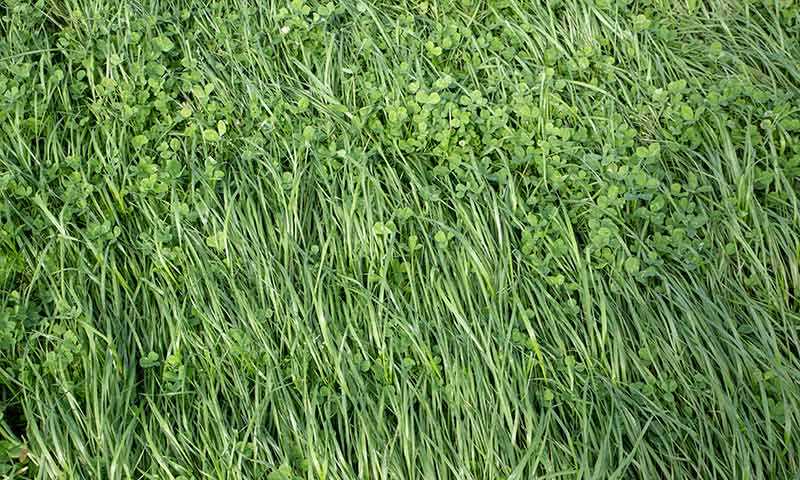
Ryegrass can sprout surprisingly quickly, often within just 5 to 14 days after planting, making it a favorite for quick lawn upgrades. If you’re eager to see that lush green carpet unfold, knowing what influences germination can help you get there faster. In short, ryegrass typically germinates within a week or two, depending on soil temperature, moisture, and seed quality. Proper preparation and consistent watering can significantly reduce wait times and ensure healthy growth. Whether you’re planting for a new lawn or overseeding an existing patch, understanding how long ryegrass takes to sprout can help you plan better and enjoy your vibrant grass sooner. Keep reading to discover tips on speeding up germination and ensuring your ryegrass gets off to a strong start.

How Long Does Ryegrass Take to Germinate?
Understanding Ryegrass Germination Timeline
Ryegrass is known for its quick germination process, making it a popular choice for lawns, sports fields, and pastures. Typically, you can expect ryegrass seeds to sprout within **5 to 14 days** after planting, depending on various factors. Proper timing is essential to ensure healthy growth and a lush green cover.
Factors Influencing Ryegrass Germination Speed
Several elements can affect how fast ryegrass seeds germinate. These include soil temperature, moisture levels, seed quality, and preparation methods. Recognizing these factors helps in planning the best time for sowing and increasing your chances of quick germination.
Soil Temperature
The ideal soil temperature for ryegrass germination ranges between **50°F and 75°F** (10°C to 24°C). Within this range, seeds tend to sprout faster. Temperatures below this slow down germination, while higher temperatures can hinder seed development.
Moisture Conditions
Consistent moisture is crucial for ryegrass seed germination. Too little water prevents the seed from swelling and sprouting, while excessive moisture might cause mold. Keeping the soil evenly moist ensures optimal conditions for seed sprouting.
Seed Quality and Depth
Using high-quality ryegrass seeds with good germination rates improves the chances of quick sprouting. Plant seeds at a depth of about **0.25 to 0.5 inches** (0.6 to 1.3 cm). Planting too deep can delay germination or prevent it altogether.
Step-by-Step Timeline of Ryegrass Germination
Understanding the typical timeline helps manage expectations and plan maintenance. Here’s a simple breakdown:
- Day 1 to 3: Seeds are placed in the soil. They absorb moisture and begin the initial stages of sprouting.
- Day 4 to 7: Roots start developing beneath the surface. Some seeds may sprout during this period.
- Day 8 to 14: Visible shoots emerge above the soil line, marking successful germination.
How to Accelerate Ryegrass Germination
While natural conditions are key, gardeners can take steps to speed up germination:
Pre-soaking Seeds
Soaking ryegrass seeds in water for **12 to 24 hours** before planting helps soften the seed coat and jump-start germination. Be sure to drain excess water afterward to prevent mold.
Proper Soil Preparation
Loosening the soil and removing debris create a healthy environment for roots and shoots. Add compost or organic matter to improve nutrient content and water retention.
Maintaining Consistent Moisture
Use light watering techniques to keep the soil moist but not waterlogged. Frequent, gentle watering promotes even germination across your planting area.
Common Challenges That Delay Germination
Sometimes, ryegrass seeds take longer than expected or fail to sprout. Understanding common issues can help prevent or fix problems:
- Low Soil Temperature: Germination slows or stops in cold weather.
- Insufficient Water: Dry soil prevents seed swelling and sprouting.
- Poor Seed Quality: Old or damaged seeds may have low germination rates.
- Too Deep Planting: Seeds planted too deep may not sprout or take much longer.
- Soil Compaction: Heavy soil restricts root growth and water movement.
Best Times to Sow Ryegrass for Quick Germination
Timing can significantly influence how fast ryegrass germinates. The best periods are during **early spring** or **early fall** when soil temperatures are ideal. Avoid planting during extreme heat or cold, which can delay sprouting.
Additional Tips for Successful Ryegrass Establishment
Beyond germination, healthy growth depends on ongoing care:
- Apply Starter Fertilizer: Use a low-nitrogen fertilizer to provide essential nutrients early on.
- Control Weeds: Remove weeds that compete for water and nutrients.
- Regular Watering: Keep the soil evenly moist until ryegrass fully establishes.
- Monitor Pests: Watch for pests that may damage young seedlings.
Summary of Ryegrass Germination Timeframe
| Stage | Timeframe | Key Details |
|———|————–|————–|
| Seed Absorption | Days 1-3 | Seeds absorb water, swell, and prepare to sprout |
| Root Development | Days 4-7 | Roots begin to grow downward into the soil |
| Shoot Emergence | Days 8-14 | Green shoots appear above ground, indicating germination |
Related Topics to Explore
- Best Soil Types for Ryegrass
- Watering Tips During Ryegrass Growth
- How to Maintain a Lush Ryegrass Lawn
- Common Pests and Diseases Affecting Ryegrass
- Ryegrass vs. Other Grass Types: Pros and Cons
By paying attention to these factors and following proper planting techniques, you can expect ryegrass to germinate in about **1 to 2 weeks** under optimal conditions. Ensuring the right temperature, soil moisture, and seed quality will lead to a quick and healthy start for your lawn or pasture.
How Long Does It Take Rye Grass Seed To Germinate? – The Plant Enthusiast
Frequently Asked Questions
How quickly can ryegrass start to sprout after planting?
Ryegrass typically begins to sprout within 5 to 7 days after planting if the soil conditions are optimal. Consistent moisture, moderate temperatures, and good soil contact accelerate germination. Keeping the soil evenly moist ensures the seeds do not dry out and promotes faster sprouting.
What environmental factors influence the germination time of ryegrass?
The key factors include soil temperature, moisture levels, and seed depth. Ryegrass germinates best when soil temperatures are between 55°F and 75°F (13°C to 24°C). Adequate watering and avoiding planting too deep help maintain proper conditions, reducing the time it takes for seeds to sprout.
Can soil preparation impact how long it takes for ryegrass to germinate?
Yes, preparing the soil properly can significantly affect germination time. Loosening the soil, removing weeds, and ensuring good seed-to-soil contact create ideal conditions. These steps help seeds absorb water more efficiently, leading to quicker germination.
Is it possible for ryegrass seeds to take longer than usual to sprout?
Yes, factors such as cool or overly dry soil, poor seed quality, or planting too deep can delay germination. In some cases, seeds may take up to 2 weeks to sprout if environmental conditions are not ideal. Ensuring proper soil temperature and moisture can help prevent delays.
How does planting depth affect the germination period of ryegrass?
Planting ryegrass seeds too deeply can slow down germination because seedlings have to work harder to reach the surface. For best results, plant seeds at a depth of about 0.5 to 1 inch (1.3 to 2.5 cm). Proper depth ensures quick emergence while protecting seeds from drying out or being washed away.
Final Thoughts
Ryegrass usually germinates within 5 to 14 days after planting. Proper soil preparation and adequate watering can speed up this process. Keep the soil consistently moist for best results.
In conclusion, understanding how long does ryegrass take to germinate helps plan your lawn care effectively. Typically, ryegrass begins to sprout within this timeframe, ensuring quick establishment.