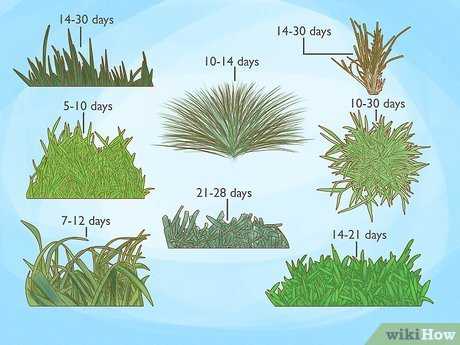
Bermuda grass typically takes between 7 to 21 days to sprout, depending on environmental conditions. If you’re eager to see green in your yard, understanding the growth timeline can help you plan ahead and ensure optimal conditions for germination.
In just a few weeks, you could have lush, new Bermuda grass covering your lawn if you get the timing and care right. Within the first week, you may see tiny seedlings emerge, but full coverage usually takes around three weeks. Proper watering, warm soil temperatures, and good soil preparation promote faster germination and healthier growth, so paying attention to these factors can make all the difference.
Getting Bermuda grass to sprout quickly hinges on the right temperature, moisture, and soil quality. Ideally, soil temperatures should be between 65°F and 75°F, and consistent watering kept to keep the soil moist—avoid overwatering or letting it dry out. With patience and proper care, your new lawn can flourish in just a few weeks, transforming your outdoor space into a vibrant green haven.

How Long for Bermuda Grass to Sprout? A Complete Guide
Bermuda grass is a popular choice for lawns in warm climates because of its durability and lush appearance. If you are planning to plant Bermuda grass, knowing how long it takes to sprout helps you set realistic expectations. Typically, the germination time can vary based on several factors, including soil temperature, planting method, and seed quality.
Understanding Bermuda Grass Germination Time
On average, Bermuda grass seeds take between 5 to 14 days to sprout once planted. This window can slightly fluctuate depending on environmental conditions. Patience is key as the seeds work to break dormancy and send out their first shoots.
Factors That Affect the Sprouting Time
Soil Temperature
Soil temperature is a major factor influencing germination speed. Bermuda grass seeds require warm soil, ideally between 65°F and 75°F, to sprout efficiently. Cooler soils may slow germination significantly, sometimes taking up to 3 weeks.
Seed Quality and Freshness
Fresh, high-quality seeds tend to sprout faster and more uniformly. Old or low-quality seeds may take longer or may not sprout at all. Always choose reputable seed suppliers to ensure good germination rates.
Planting Method
Whether planting by seed, sod, or sprigs impacts sprouting time. Seed planting generally takes longer to sprout, whereas sod and sprigs establish quicker because they are already rooted.
How to Speed Up Bermuda Grass Sprouting
Proper preparation and care can help your Bermuda grass seeds sprout more quickly. Here are some helpful tips:
- Warm soil: Use a soil thermometer to ensure the temperature reaches at least 65°F before planting.
- Good soil contact: Rake the soil to create a smooth surface and ensure seeds contact soil directly.
- Consistent watering: Keep the soil moist but not waterlogged to encourage germination.
- Use starter fertilizer: A balanced fertilizer can provide essential nutrients for seed development.
Optimal Soil Conditions for Bermuda Grass Germination
Soil Preparation
Before planting, remove weeds and debris. Loosen the soil to a depth of 4 to 6 inches to promote healthy root development. Incorporate organic matter if necessary to improve drainage and fertility.
pH Level
Bermuda grass grows best when soil pH is between 6.0 and 7.0. Conduct a soil test and amend as needed to achieve optimal pH levels for germination and growth.
Timing for Planting Bermuda Grass
The best time to plant Bermuda grass is during late spring or early summer when soil temperatures are consistently warm. Avoid planting in cooler months as cold temperatures can delay sprouting or cause seed failure.
Understanding the Growth Stages After Sprouting
Initial Growth (First 2 Weeks)
Once seeds sprout, young seedlings will be tiny and fragile. During this period, regular watering and protection from foot traffic are essential to establish a healthy root system.
Early Establishment (3 to 6 Weeks)
Plants begin to spread and develop thicker blades. You can start mowing the grass once it reaches about 1.5 inches tall. Proper fertilization during this stage encourages vigorous growth.
Full Coverage (6 to 12 Weeks)
Within this time frame, Bermuda grass will fill in and form a dense, green carpet. Continued maintenance, including watering, mowing, and fertilizing, ensures a healthy, lush lawn.
Common Challenges That Delay Germination
Uneven Soil Temperature
Variations in soil temperature across your lawn can cause inconsistent germination. Using mulch or soil heating methods can mitigate these effects.
Insufficient Watering
Allowing the soil to dry out can halt seed germination. Consistent moisture is critical during the first two weeks after planting.
Poor Seed-to-Soil Contact
If the seeds are not in good contact with the soil, germination will be delayed or uneven. Raking or light covering can improve contact and promote sprouting.
Summary of Key Data
| Factor | Optimal Condition | Impact on Germination Time |
|---|---|---|
| Soil Temperature | 65°F – 75°F | Speeds up germination, reduces time to sprout |
| Seed Quality | Fresh and high-quality seeds | Results in faster, more uniform sprouting |
| Soil Preparation | Well-prepared, loosened soil with proper pH | Creates ideal environment, speeds up sprouting |
| Watering | Consistent moisture, avoid waterlogging | Prevents delays and encourages healthy sprouting |
| Planting Time | Late spring to early summer | Ensures soil warmth needed for germination |
Knowing how long Bermuda grass takes to sprout helps you plan your lawn project with confidence. Patience, proper soil conditions, and consistent care are your best tools for successful germination. Remember that environmental factors can vary, so monitor your lawn frequently and adjust your care routine as needed.
How Long Does Bermuda Grass Seed Take To Grow? – The Plant Enthusiast
Frequently Asked Questions
What environmental factors influence the germination timeline of Bermuda grass?
Pest and disease pressures, soil quality, and the moisture levels significantly impact how quickly Bermuda grass begins to sprout. Warm temperatures between 75°F to 85°F (24°C to 29°C) promote faster germination. Adequate sunlight and proper soil preparation also help achieve quicker sprouting times. Ensuring the environment is optimal can reduce the waiting period for your Bermuda grass to appear.
How does soil preparation affect the speed of Bermuda grass sprouting?
Preparing the soil properly creates ideal conditions for Bermuda grass seeds to settle and grow. Loosening the soil improves seed contact with the ground and enhances water absorption. Incorporating organic matter can improve soil fertility and moisture retention. These steps help seeds germinate more uniformly and rapidly, often within the typical timeframe.
What maintenance practices can help Bermuda grass sprout sooner?
Consistently watering the area keeps the soil moist, which is crucial for seed germination. Maintaining a warm soil temperature through proper mulching or adjusting planting time can speed up sprouting. Avoiding overwatering or allowing the soil to dry out prevents seed rot or delayed sprouting, leading to healthier and quicker grass emergence.
How long should I expect before my Bermuda grass seeds sprout in different seasons?
In late spring and early summer, warm soil temperatures typically result in germination within 7 to 14 days. During cooler months or in areas with lower temperatures, sprouting may take up to 21 days or longer. Timing your planting according to seasonal conditions helps ensure a faster start for Bermuda grass growth.
Can seed quality impact the germination period of Bermuda grass?
Yes, using high-quality, fresh Bermuda grass seeds can significantly reduce the time it takes for them to sprout. Older or poor-quality seeds may have lower germination rates and take longer to emerge, if they sprout at all. Selecting reputable seed suppliers and checking for freshness increases the likelihood of quick germination.
Final Thoughts
Bermuda grass typically takes about 7 to 14 days to sprout under optimal conditions. Proper soil preparation, adequate watering, and warm temperatures speed up germination. Keep the soil consistently moist for the best results.
In conclusion, how long for Bermuda grass to sprout depends on these factors, but generally, gardeners see sprouts within two weeks. Maintaining the right environment ensures healthy growth from the start.