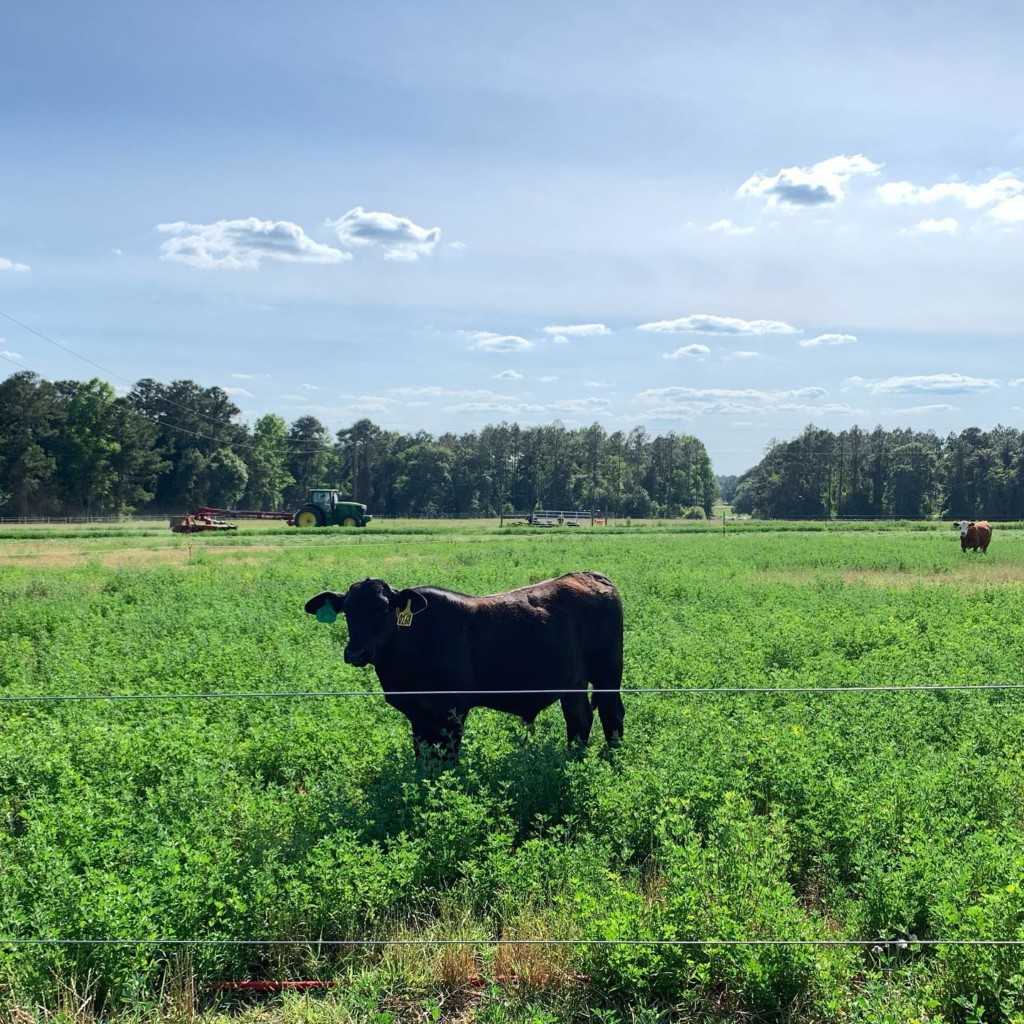
Yes, Bermuda grass is generally good for cattle, providing them with a nutritious and palatable forage option. It’s known for its high yield, durability, and ability to thrive in warm climates, making it a popular choice for grazing fields. However, its suitability can depend on factors like management practices and local conditions.
Bermuda grass is a beneficial forage for cattle, offering excellent nutrition when grazed properly. It’s particularly valued in warm regions for its resilience and productivity, making it an ideal pasture choice. Nonetheless, farmers should monitor its growth and manage grazing to ensure cattle health and optimal forage quality.
If you’re wondering whether Bermuda grass is suitable for feeding your cattle, the answer is a confident yes—it’s a reliable choice for maintaining healthy, well-fed livestock. Its ability to grow abundantly and provide essential nutrients makes it a preferred pasture grass in many cattle-rearing areas. Knowing how to properly manage Bermuda grass can help maximize its benefits and keep your cattle thriving.

Is Bermuda Grass Good for Cattle?
Bermuda grass is a popular forage option for cattle farmers around the world. It is known for its resilience, fast growth, and high nutritional value. Many ranchers choose Bermuda grass because it can thrive in warm climates and withstand grazing pressure effectively.
What Is Bermuda Grass?
Bermuda grass, also called *Cynodon dactylon*, is a warm-season perennial grass. It forms dense mats that are perfect for pastureland. The grass has fine-textured leaves and spreads through both roots and stolons, making it highly adaptable.
Nutrition Profile of Bermuda Grass
Understanding the nutritional value of Bermuda grass helps determine if it is suitable for cattle. This grass provides essential nutrients including crude protein, energy, fiber, and minerals.
Crude Protein Content
Typically, Bermuda grass offers around 8 to 12% crude protein during peak growth months. This level supports cattle growth and milk production, especially when managed properly.
Energy and Digestibility
Bermuda grass is rich in digestible fiber, providing a good energy source for cattle. As cattle graze, their digestion breaks down the fiber, offering vital calories for maintaining body condition.
Mineral Content
This grass contains essential minerals like calcium, phosphorus, and magnesium, which are important for overall cattle health and development.
Advantages of Using Bermuda Grass for Cattle
Bermuda grass offers several benefits that make it a popular choice for cattle grazing pastures. These advantages include high productivity, adaptability, and ease of management.
High Yield and Rapid Growth
During warm months, Bermuda grass can produce a large amount of biomass quickly. This ensures plentiful forage for cattle throughout the grazing season.
Good Drought Tolerance
One of the key benefits of Bermuda grass is its ability to withstand drought conditions. It can survive with less water, which is ideal for regions with variable rainfall.
Strong Root System
The deep-rooted nature of Bermuda grass helps it recover quickly after grazing or drought stress, maintaining consistent pasture quality.
Potential Drawbacks of Bermuda Grass for Cattle
While Bermuda grass has many benefits, it also comes with some limitations that farmers should be aware of before using it extensively.
Limited Growth in Cooler Weather
Bermuda grass thrives in warm temperatures but slows down or goes dormant in cooler seasons, reducing forage options during winter in some regions.
Risk of Overgrazing
If not managed correctly, cattle can overgraze Bermuda grass, leading to soil erosion and reduced pasture productivity. Controlled grazing plans are essential to prevent this.
Potential for Bloat
As with many grasses, Bermuda grass can sometimes cause bloat in cattle if they consume large amounts rapidly. Proper management and grazing strategies can minimize this risk.
Managing Bermuda Grass for Optimal Cattle Nutrition
Proper management ensures that Bermuda grass remains nutritious and sustainable for cattle grazing. Several practices help improve forage quality and pasture health.
Grazing Rotation
Rotating cattle between different pasture sections allows the grass to recover and prevents overgrazing. This practice promotes healthy regrowth and maintains nutritional value.
Timing Grazing
Allow Bermuda grass to reach its peak growth stage before grazing. Typically, this occurs when the grass is 12 to 18 inches tall, providing the best nutritional content.
Fertilization
Applying nitrogen fertilizers at appropriate times boosts growth and improves crude protein content. Avoid over-fertilizing, which can lead to excessive growth and lower digestibility.
Flowering and Seed Production
Understanding when Bermuda grass flowers and produces seeds helps farmers manage grazing and pastures effectively. Typically, flowering occurs in late summer.
Implications for Pasture Management
Allowing some sections of Bermuda grass to flower and produce seeds can help with pasture renewal. However, overgrowth may reduce forage quality, so timing is crucial.
Comparison with Other Forage Options
For cattle farmers, it is important to compare Bermuda grass with alternative forages to choose what best suits their needs.
Versus Tall Fescue
- Bermuda has higher heat tolerance than tall fescue.
- Tall fescue may provide more forage during cooler months.
- Bermuda often yields more in summer, while tall fescue maintains growth in cooler weather.
Versus Bahiagrass
- Bermuda generally has higher nutritional value than Bahiagrass.
- Bahiagrass can be more tolerant of poor soils, but Bermuda offers better forage quality.
- Both grasses are drought-tolerant, making them suitable for similar climates.
Environmental Impact and Sustainability
Sustainable grazing with Bermuda grass involves maintaining soil health, managing water use, and reducing chemical inputs. Proper pasture management promotes ecological balance and long-term productivity.
Soil Conservation
Dense Bermuda grass cover protects soil from erosion and improves water retention. Its extensive root system enhances soil health over time.
Water Use
Bermuda grass’s drought tolerance reduces water needs, making it an eco-friendly choice in arid areas. Efficient grazing practices further conserve water resources.
Reducing Chemical Dependence
Using organic fertilizers and integrated pest management minimizes chemical use, keeping the environment safe and promoting sustainable land use.
In summary, Bermuda grass proves to be a **valuable forage option for cattle**. Its high yield, nutritional benefits, and resilience to drought make it suitable for many environments. Proper management is key to maximizing its advantages while mitigating potential downsides, such as overgrazing or bloat risks. When integrated into a well-planned pasture system, Bermuda grass can support healthy, productive cattle farming and sustainable land use.
Cow-Calf Corner: Stockpiling Bermuda Grass (8/01/15)
Frequently Asked Questions
What are the nutritional benefits of Bermuda grass for cattle?
Bermuda grass provides a good source of digestible fiber, which aids digestion and promotes healthy rumen function in cattle. It also has moderate levels of protein, essential for growth and milk production. Additionally, Bermuda grass contains essential minerals such as calcium and phosphorus, supporting overall health and bone development in cattle.
Can Bermuda grass support year-round cattle grazing?
Yes, Bermuda grass is well-suited for year-round grazing in warm climates. Its drought-tolerant nature allows it to maintain availability during dry seasons, and with proper management, it can provide continuous forage. However, during colder months in some regions, cattle may need supplementary feed as Bermuda grass growth slows.
Are there any risks associated with feeding Bermuda grass to cattle?
While Bermuda grass is generally safe for cattle, overgrazing can lead to soil issues and reduce the quality of the forage. Also, if not managed properly, it may contain excessive levels of nitrates, which can be harmful. Regular testing and proper grazing practices help minimize these risks and ensure cattle health.
Final Thoughts
Bermuda grass offers excellent nutritional value and is resilient in warm climates. It provides cattle with a consistent source of forage, supporting their growth and milk production. Farmers appreciate its drought tolerance and rapid establishment.
However, cattle may need supplementary feed during droughts or winter months when Bermuda grass growth slows. Proper management ensures cattle receive adequate nutrition without overgrazing.
In conclusion, is bermuda grass good for cattle? Yes, it is an ideal pasture for many cattle operations, thanks to its nutritional benefits and hardiness.