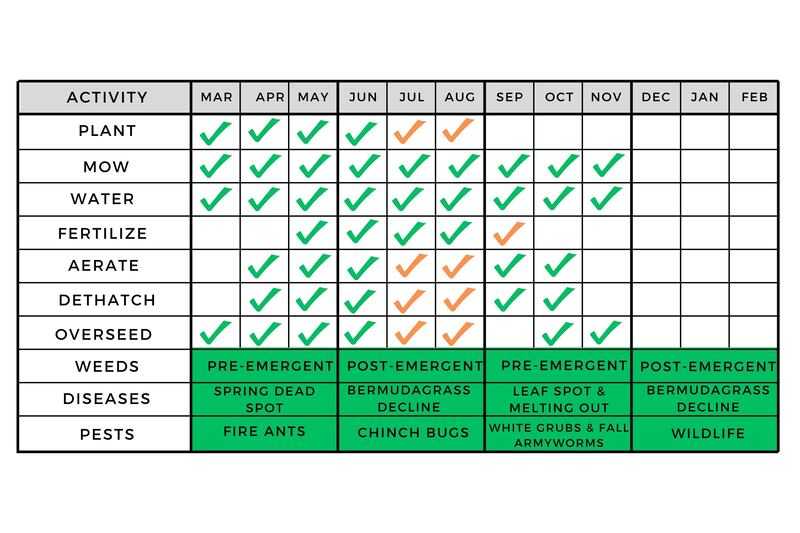
Aerate Bermuda grass in Texas during late spring or early summer when the grass is actively growing. This timing helps the lawn recover quickly and promotes healthy root development. Typically, the best periods are between late April and early July, avoiding the extreme heat of midsummer or the cooler months of late fall and winter.
If you want a lush, healthy Bermuda lawn, knowing when to aerate is essential. Aeration in Texas should be done during the grass’s peak growing season to ensure minimal stress and maximum benefits. It’s best to avoid aerating during the hottest months or in winter, when the grass is dormant.
Getting your Bermuda grass aerated at the right time can dramatically improve drainage, reduce soil compaction, and encourage vigorous growth. Texas summers can be tough on lawns, so timing your aeration right will set your yard up for a vibrant and resilient turf throughout the year.

When to Aerate Bermuda Grass in Texas
Understanding Bermuda Grass and Its Growing Conditions in Texas
Bermuda grass is a popular choice for lawns across Texas because of its resilience and heat tolerance. It thrives in warm weather and needs proper care to stay healthy and lush. Knowing the right time to aerate Bermuda grass helps ensure it gets the best possible treatment.
Bermuda grass prefers full sun and well-drained soil. It grows actively during the hot Texas summers, which makes timing aeration critical. Aerating at the right time helps the roots grow deeper and strengthens the grass overall.
Why Aeration Is Important for Bermuda Grass
Aeration opens up the soil and creates tiny holes that allow air, water, and nutrients to reach the roots more easily. This process reduces soil compaction, which can block healthy growth.
Healthy Bermuda grass depends on good soil aeration because it improves drainage and prevents thatch buildup. Aerating can also boost the effectiveness of fertilization and watering, leading to a thicker, greener lawn.
Best Seasons for Aerating Bermuda Grass in Texas
Timing is essential when aerating Bermuda grass. The ideal seasons to aerate are during the active growing periods to promote quick recovery. In Texas, these seasons are generally late spring and early fall.
Late spring—around late April to early June—marks the beginning of the grass’s peak growth phase. Aerating during this period helps the grass recover fast and promotes lush green coverage.
Early fall—roughly September to October—is also suitable as the grass prepares for cooler weather. Aeration during this time encourages strong root growth and prepares the lawn for winter.
Optimal Soil and Weather Conditions for Aeration
The best conditions for aerating Bermuda grass include moist soil that isn’t overly wet or dry. Moist soil allows the aerator to penetrate easily and prevents damage to the grass or soil structure.
Weather should be moderate, avoiding extreme heat or cold during aeration. Temperatures between 60°F and 85°F are considered ideal because they support quick healing and growth recovery.
Signs That Indicate It’s Time to Aerate
Certain signs suggest that your Bermuda lawn needs aeration. These include:
- Soil feels compacted or hard when walked on.
- Water pools or drains slowly on the surface after watering.
- Grass is thinning or showing patchy areas.
- Thatch layer exceeds ½ inch—this buildup can block air and water movement.
Addressing these issues with aeration improves soil health and grass vitality.
How Often Should You Aerate Bermuda Grass?
In Texas, turf experts recommend aerating Bermuda grass at least once or twice a year. For lawns with heavy foot traffic or compacted soil, three times annually may be necessary.
The best approach is to aerate during the active growing season, particularly in late spring and early fall, to maximize recovery and benefits. Regular aeration helps maintain a healthy, vibrant lawn.
Tools and Techniques for Aerating Bermuda Grass
There are several methods for aerating Bermuda grass, including manual and mechanical options. The most common are:
- Core aerators: These machines remove small plugs of soil, creating effective holes for air and water movement.
- Spike aerators: They create holes by poking into the soil but may not be as effective at relieving compaction as core aerators.
Choosing the right tool depends on lawn size and soil condition. Mechanical core aerators are typically more efficient for larger areas.
Preparing Your Lawn for Aeration
Before aerating, water your Bermuda grass thoroughly a day or two prior. Moist soil makes the process easier and prevents damage to the turf.
Remove any debris such as sticks or leaves from the lawn. Mark sprinkler heads or underground sprinkler systems to avoid damaging them during aeration.
Post-Aeration Care for Bermuda Grass
After aerating, allow your Bermuda grass to recover by watering deeply. Applying a balanced fertilizer helps promote new root growth.
It’s also beneficial to overseed or topdress your lawn after aeration if necessary. This encourages quick recovery and a fuller, healthier lawn.
Additional Tips for Healthy Bermuda Lawns in Texas
Maintaining a healthy Bermuda grass lawn involves ongoing care. For best results, follow these tips:
- Water wisely: Deep watering once or twice a week encourages deep roots.
- Fertilize appropriately: Apply a nitrogen-rich fertilizer during peak growing seasons.
- Mow regularly: Keep the grass at around 1 to 1.5 inches tall for optimal health.
- Control pests and weeds: Regular inspection prevents infestations that weaken the lawn.
Integrating these practices with aeration will maximize lawn health and appearance.
Common Mistakes to Avoid When Aerating Bermuda Grass
Avoid these mistakes to ensure the health of your lawn:
- Aerating during extreme heat or cold—wait for moderate temperatures.
- Over-aerating—too frequent aeration can damage the soil structure.
- Neglecting watering after aeration—proper hydration is essential for recovery.
- Using the wrong tool—select a core aerator for best results.
Steering clear of these errors ensures your Bermuda grass benefits fully from aeration.
Related Topics to Enhance Your Lawn Care Routine
Consider exploring these related topics for a more comprehensive approach to lawn care in Texas:
- Best fertilization schedules for Bermuda grass
- Watering techniques to promote deep root growth
- Overseeding Bermuda grass for thicker coverage
- Controlling pests and weeds effectively
- Soil testing and amendments for optimal growth
Addressing these areas complements aeration and contributes to a thriving lawn.
In summary, knowing the right time to aerate Bermuda grass in Texas ensures your lawn stays healthy and lush. Timing it during late spring or early fall, under suitable soil conditions, promotes quick recovery and vibrant growth. Regular aeration combined with proper watering, fertilizing, and maintenance creates a durable, beautiful lawn that withstands Texas weather and foot traffic.
When to Aerate Your Lawn?
Frequently Asked Questions
What signs indicate it’s time to aerate Bermuda grass in Texas?
The ground feels compacted, and water runoff occurs quickly after watering or rain. Additionally, if your Bermuda lawn shows signs of thinning or develops a thatch layer thicker than half an inch, aeration can help improve soil health and grass growth.
How do seasonal changes influence the best time to aerate Bermuda grass in Texas?
In Texas, it’s best to aerate Bermuda grass during its active growing season in late spring to early summer. Aerating during this period encourages quick recovery and promotes healthy root development, ensuring the lawn remains resilient throughout the warmer months.
Can over-aerating harm Bermuda grass, and how often should I perform this task?
Applying aeration too frequently can stress Bermuda grass, especially if performed during its peak growth periods. Generally, aerating once or twice per year is sufficient to alleviate soil compaction and maintain healthy turf. Focus on aerating during favorable weather and growth periods for optimal results.
Is it better to aerate Bermuda grass before or after overseeding in Texas?
Aerate Bermuda grass before overseeding to create openings in the soil that allow new seeds to make good contact and establish more effectively. Performing this process prior to overseeding helps improve germination rates and leads to a denser, healthier lawn.
What soil conditions are ideal for aerating Bermuda grass in Texas?
Loose, moist soil that isn’t overly saturated provides ideal conditions for aeration. If your soil is very dry or compacted, water your lawn a day before aerating to soften the ground. Avoid aerating during heavy rain or when the soil is too wet, as this can lead to uneven soil disruption.
Final Thoughts
Choosing the right time to aerate bermuda grass in Texas is essential for healthy lawns. Typically, the best period falls in late spring or early summer when the grass begins to actively grow. Avoid aerating during the peak heat of summer or in winter when the grass is dormant.
Proper timing ensures better soil access and promotes stronger root development. When to aerate bermuda grass in Texas depends on seasonal growth patterns, making spring the most suitable time.