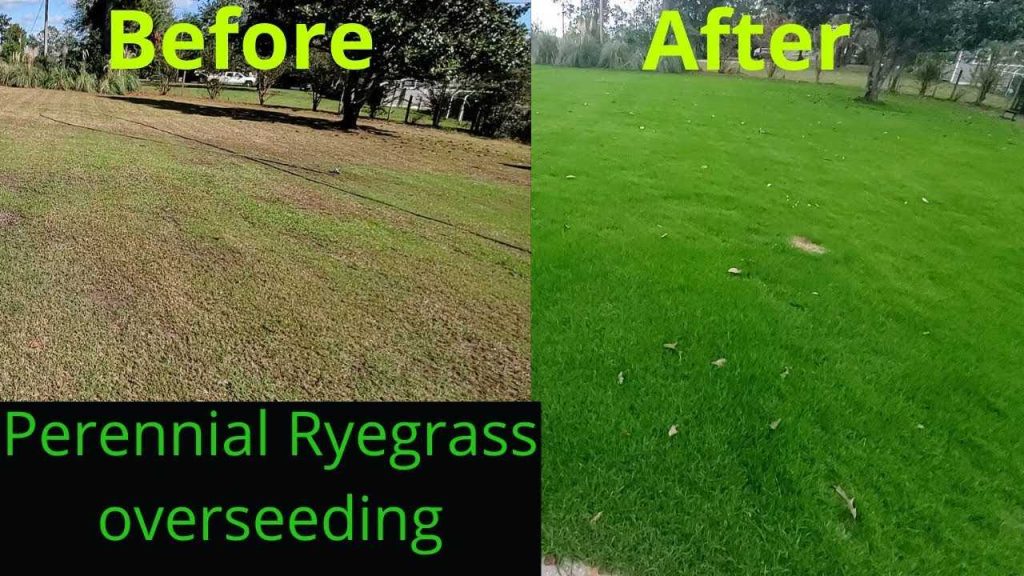
Perennial ryegrass generally germinates within 7 to 14 days, depending on conditions. With proper care and optimal weather, you can expect quick results, but patience is key to a lush, healthy lawn.
Perennial ryegrass is a popular choice for lawns because of its quick germination and vibrant green color. Typically, it starts sprouting within about a week to two weeks after planting, given the right soil temperature and moisture levels. The germination process can be faster in warm, well-drained soil with consistent moisture. If you’re planning to sow this grass, understanding the factors that influence germination can help you achieve a swift and successful establishment of your desired turf.
When it comes to growing perennial ryegrass, the whole process from planting to green lawn is an exciting journey. This grass type is known for its rapid growth and resilience, making it a favorite for both home lawns and sports fields. Knowing that it takes approximately 7 to 14 days for germination allows gardeners and landscapers to plan ahead and maintain the right conditions to encourage healthy sprouting. Proper preparation, including soil conditioning and choosing the right planting time, plays a vital role in ensuring your ryegrass gets off to a good start. Whether you’re overseeding or establishing a new lawn, patience and care will reward you with a beautiful, dense turf in no time.

How Long Does It Take Perennial Ryegrass to Germinate?
Understanding Perennial Ryegrass Germination
Perennial ryegrass is a popular choice for lawns, sports fields, and pastures because of its quick growth and lush appearance. Knowing how long it takes to germinate helps growers plan their planting and care routines effectively. Typically, germination time varies based on several factors, including soil temperature and seed quality.
Average Germination Time for Perennial Ryegrass
Under ideal conditions, perennial ryegrass seeds usually sprout within 5 to 14 days after planting. This range can fluctuate depending on environmental factors and specific seed varieties. It is important to consider that optimal soil temperature for germination is between 55°F and 75°F (13°C to 24°C).
Factors Influencing Germination Speed
Several variables can affect how quickly perennial ryegrass begins to grow. These include:
- Soil Temperature: Seeds germinate fastest within the optimal temperature range. Cooler or hotter soils can delay sprouting.
- Moisture Level: Consistent moisture facilitates quicker germination. Overly dry or waterlogged soils can hinder seed sprouting.
- Seed Quality: Fresh, high-quality seeds tend to germinate faster than old or damaged seed stocks.
- Light Conditions: While perennial ryegrass seeds do not require light to germinate, light exposure can influence the speed of early growth.
- Soil Preparation: Well-prepared, loose soil allows better seed contact and oxygen flow, speeding up germination.
Optimal Conditions for Fast Germination
To ensure the quickest possible germination, consider the following tips:
- Temperature Control: Keep soil temperature steady within the 60°F to 70°F range. Use mulch or other methods to moderate temperature fluctuations.
- Consistent Moisture: Maintain soil moisture by watering lightly and frequently. Avoid overwatering to prevent seed rot.
- Proper Seeding Technique: Sow seeds evenly and at the correct depth, around 0.25 to 0.5 inches (6 to 13 mm).
- Soil Preparation: Till or rake soil to create a fine, level seedbed free of weeds and debris.
Expected Growth Stages After Germination
Once seeds sprout, the plant enters several growth stages:
Seedling Stage
The first young leaves emerge within days of germination. During this phase, seedling roots develop, and the grass begins to establish itself.
Establishment Phase
Over the next few weeks, the grass thickens. Proper watering, fertilization, and mowing help promote healthy growth.
Dealing with Delays in Germination
Sometimes, perennial ryegrass can take longer to germinate than expected. If sprouting is delayed beyond three weeks, consider the following:
- Check soil temperature and moisture levels
- Assess seed quality and freshness
- Ensure proper seeding depth and uniformity
- Address any soil compaction or weeds inhibiting growth
Special Tips for Different Growing Conditions
Different environments may require adjustments in planting strategy:
Cool Climates
Seed may take closer to 14 days or longer to germinate. Use soil heaters or plant during warmer months if possible.
Hot Climates
Seed dormancy can increase. Plant early in the season or provide shade during the first weeks after sowing.
Low Moisture Areas
Implement watering systems or mulch to retain soil moisture, ensuring quicker germination.
Summary of Germination Timeline
Here is a quick overview:
| Stage | Time Frame |
|---|---|
| Seed Soaking (optional) | 12-24 hours before planting |
| Sowing | Day 0 |
| Germination Begins | 5-14 days after sowing |
| Seedlings Fully Established | 3-4 weeks after germination |
Understanding how long perennial ryegrass takes to germinate helps in planning and maintaining a healthy lawn or pasture. Ensuring optimal soil temperature, moisture, and seed quality can significantly speed up this process. With patience and proper care, you can enjoy a thick, vibrant turf in just a few weeks.
Perennial Ryegrass Pros and Cons
Frequently Asked Questions
What environmental conditions influence the germination time of perennial ryegrass?
Perennial ryegrass typically germinates faster when provided with optimal environmental conditions. Warm soil temperatures between 55°F and 75°F (13°C to 24°C) promote quicker sprouting, while moist soil ensures seeds have enough water to activate. Adequate sunlight and good soil drainage also contribute to a shortened germination period, helping the seeds develop more rapidly.
How does soil preparation affect the germination duration of perennial ryegrass?
Proper soil preparation significantly impacts how quickly perennial ryegrass seeds germinate. Loosen the soil to improve aeration and ensure even contact between seeds and soil. Removing weeds and debris prevents competition for nutrients and water. Using a seedbed with the right pH level, ideally between 5.5 and 7.0, creates favorable conditions that can reduce the time it takes for seeds to sprout.
What are typical timelines for perennial ryegrass seed germination under ideal conditions?
Under ideal conditions, perennial ryegrass seeds usually germinate within 5 to 14 days. The exact time depends on factors such as temperature, soil moisture, and seed quality. Warmer, moist environments tend to produce faster germination, while cooler or drier conditions may delay the process slightly.
Can seed treatment methods influence how quickly perennial ryegrass begins to grow?
Yes, seed treatments such as pre-soaking or applying specific fungicides can promote faster germination by reducing the risk of seed-borne diseases and improving water absorption. These methods can shorten the time it takes for seeds to sprout, especially in less-than-ideal soil conditions or in areas prone to fungal issues.
What steps can gardeners take to ensure rapid germination of perennial ryegrass?
Gardeners can enhance germination speed by planting seeds at the right depth—about 0.25 to 0.5 inches—and maintaining consistent moisture levels. Ensuring soil temperatures stay within the optimal range and providing adequate sunlight also help seeds sprout more quickly. Regularly monitoring soil moisture and avoiding overwatering prevents seed rot and supports healthy germination.
Final Thoughts
Perennial ryegrass typically takes about 7 to 14 days to germinate under optimal conditions. Factors like soil temperature, moisture, and light influence this process. Providing consistent watering and maintaining a warm environment encourages quicker germination.
In conclusion, how long does it take perennial ryegrass to germinate? Usually, it happens within two weeks, making it a fast-growing choice for lawns and pastures. Proper care ensures healthy growth and a lush green cover.