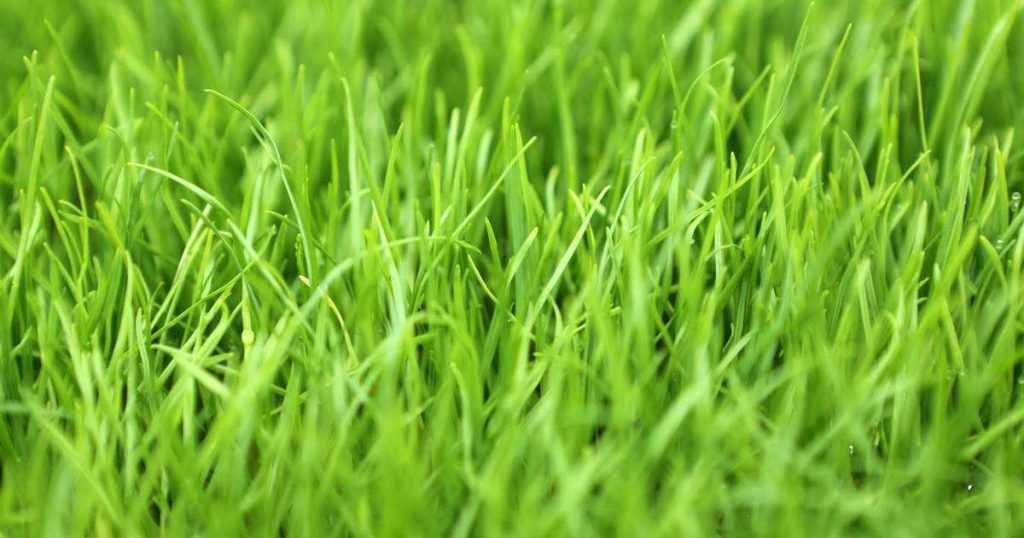
Perennial ryegrass typically reaches a height of about 12 to 24 inches when fully grown. Its lush, dense growth makes it a popular choice for lawns and sports fields, providing a soft, durable surface. If you’re curious about how tall this grass can get, it largely depends on growth conditions and maintenance, but generally, it stays relatively low.
Perennial ryegrass is known for its rapid establishment and vibrant green appearance, making it an attractive option for many landscapers. It can grow quite tall if left uncut, but regular mowing keeps it close to its ideal height. In optimal conditions, you can expect it to reach up to two feet, but most homeowners trim it down to maintain a neat, healthy lawn. Understanding its growth habit helps you better manage and enjoy this versatile grass species.

How Tall Does Perennial Ryegrass Grow
Perennial ryegrass is a popular choice for lawns, sports fields, and pastures. Its height can vary depending on multiple factors, making it important to understand what to expect. This section will cover the typical growth height, factors that influence it, and how to manage its height effectively.
Typical Height of Perennial Ryegrass
Perennial ryegrass generally reaches a height between 6 to 18 inches when fully grown. The average height is around 12 inches, making it a versatile grass for many purposes. Its height allows it to be dense and lush, providing good ground cover and an attractive appearance.
Note: The precise height can differ based on environmental conditions and maintenance practices.
Understanding the Growth Cycle
Perennial ryegrass has a rapid growth cycle, especially during cooler seasons. It can grow several inches within just a few weeks during its peak growing period. Its growth is most vigorous in early spring and fall, which contributes to its height during these times.
Growth Phases of Perennial Ryegrass
- Germination: It starts from seed, usually sprouting within 7 to 14 days.
- Vegetative growth: Rapid vertical and horizontal expansion occurs, with height increasing quickly.
- Maturation: Growth slows down as the grass reaches its optimal height.
Factors That Affect the Height of Perennial Ryegrass
Numerous factors influence how tall perennial ryegrass can grow. Understanding these can help you manage and predict its growth effectively.
Soil Quality and Fertilization
Healthy, nutrient-rich soil encourages taller and denser grass. Adequate nitrogen fertilization promotes vigorous vertical growth. Conversely, poor soil results in shorter, sparser grass.
Climate and Weather
Cooler temperatures favor the growth of perennial ryegrass, allowing it to reach its full height. Hot and dry conditions tend to limit growth, keeping the grass shorter.
Watering Practices
Consistent watering supports healthy growth, enabling the grass to reach higher. Overwatering can lead to shallow roots and weaker plants, while underwatering restricts height.
Mowing Height and Maintenance
Regular mowing influences the final height of perennial ryegrass. Cutting too low can keep it under 6 inches, while letting it grow taller results in a fuller, taller appearance.
Grass Varieties and Seed Selection
Different strains of perennial ryegrass grow to various heights. Some cultivars are bred for a shorter, more manageable height, while others naturally grow taller.
Managing the Height of Perennial Ryegrass
Proper management ensures the grass stays healthy and looks its best at the desired height.
Mowing Tips
– Maintain a mowing height of 2.5 to 3 inches for general lawns.
– For sports fields, keep the grass around 1.5 to 2 inches for better playability.
– Always use sharp blades to prevent tearing, which can affect growth.
Fertilization and Feeding
Applying nitrogen-rich fertilizer in early spring and fall encourages lush, taller growth. Avoid over-fertilizing to prevent disease and thatch buildup.
Watering and Drainage
Water deeply and less frequently to promote strong roots and healthy growth. Ensure proper drainage to avoid waterlogging, which can stunt growth.
Comparing Perennial Ryegrass to Other Grasses
Perennial ryegrass is often compared with other common grasses, such as Kentucky bluegrass or tall fescue. Here’s how it measures in height:
| Grass Type | Typical Height | Growth Rate |
|---|---|---|
| Perennial Ryegrass | 6 to 18 inches | Fast |
| Kentucky Bluegrass | 12 to 24 inches | Moderate |
| Tall Fescue | 12 to 36 inches | Moderate to slow |
As shown, perennial ryegrass tends to be shorter than tall fescue but faster growing, making it ideal for quick coverage.
Additional Tips for Enhancing Growth and Height
To promote taller, healthier ryegrass, consider these additional strategies:
- Aerate the soil: Prevents compaction and improves nutrient uptake.
- Overseed: Adds density and height to existing grass.
- Manage weeds: Keeps nutrients available for your grass instead of competing with weeds.
- Control pests and diseases: A healthy plant grows taller and more robust.
How Climate Changes Impact Growth Height
Seasonal changes significantly influence perennial ryegrass height. During cooler months, growth accelerates, reaching maximum height. In hot, dry summers, the grass often remains shorter as a protective response.
Temperature Range and Growth
– Ideal temperature: 50°F to 77°F (10°C to 25°C) for optimal growth.
– Temperatures above 85°F (29°C): Growth slows, and height may be limited.
– Freezing temperatures can halt growth temporarily but generally do not damage mature ryegrass.
Perennial ryegrass typically grows between 6 and 18 inches tall, with variations based on environmental factors and maintenance. With proper care, you can influence its height, making it suitable for lawns, sports fields, and pastures. Understanding the growth cycle, managing watering, fertilization, and mowing practices are key to keeping your lawn healthy and at the desired height.
Whether you’re aiming for a lush, tall carpet or a shorter, more manageable turf, knowing how tall perennial ryegrass can grow helps you make informed decisions. Proper management and understanding of its growth patterns will ensure your grass remains vibrant and healthy for years to come.
Perennial Ryegrass Pros and Cons
Frequently Asked Questions
What is the typical height range for perennial ryegrass during its peak growth period?
Perennial ryegrass usually reaches a height of 6 to 18 inches (15 to 45 centimeters) when it is actively growing. The exact height depends on factors like mowing height, light availability, and soil conditions. Proper maintenance can help keep the grass within this optimal range for aesthetic and functional purposes.
How does mowing frequency affect the height of perennial ryegrass?
Mowing regularly at recommended heights, typically around 2 to 3 inches (5 to 7.5 centimeters), keeps perennial ryegrass at a manageable and healthy height. Frequent mowing prevents the grass from growing too tall, promotes dense growth, and improves overall lawn quality.
Can environmental conditions influence how tall perennial ryegrass gets?
Yes, environmental factors like sunlight, temperature, and soil fertility significantly impact the grass’s growth height. Ample sunlight and well-fertilized soil encourage vigorous growth, leading to taller grass. Conversely, inadequate sunlight or poor soil conditions can result in shorter, weaker plants.
Final Thoughts
Perennial ryegrass typically grows between 6 to 20 inches tall, making it an ideal choice for lawns and pastures. Its height varies based on soil quality, mowing frequency, and climate conditions.
This grass maintains a dense, lush appearance, contributing to a healthy landscape. Proper care ensures it reaches its full growth potential.
how tall does perennial ryegrass grow? It usually reaches about 12 to 20 inches in height, depending on treatment and environment.