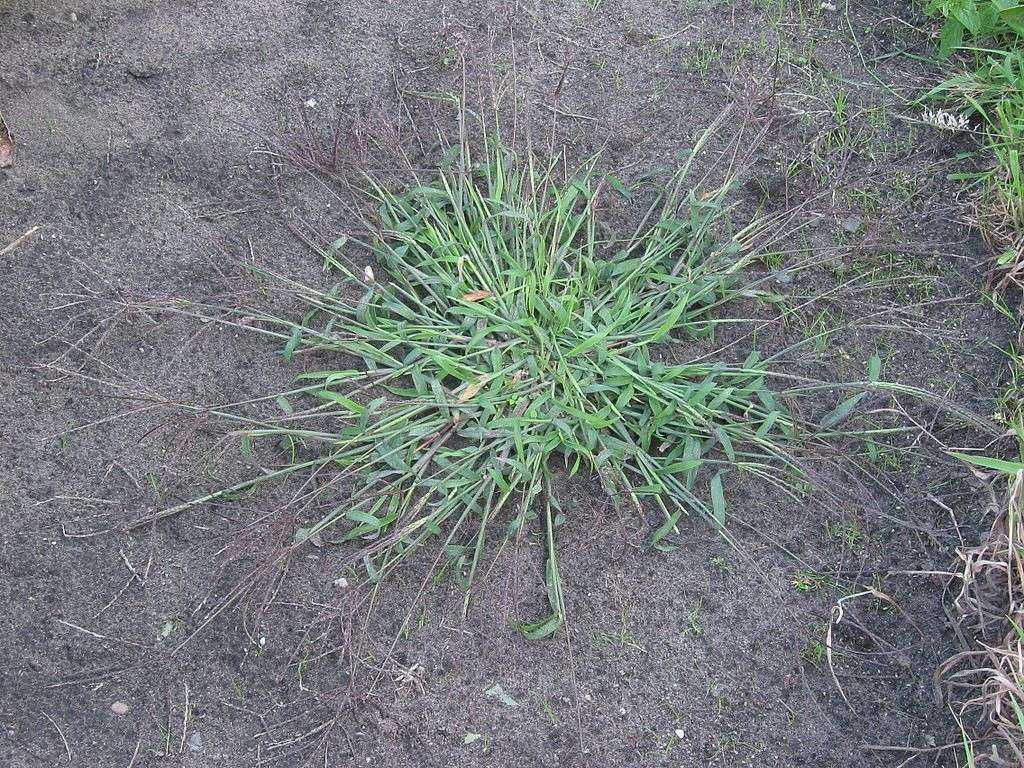
Crabgrass pre-emergent herbicide can be a game-changer for maintaining a lush, weed-free lawn, but how long does it actually last? The answer depends on several factors, including product type, weather conditions, and application timing, but generally, a good pre-emergent can protect your yard for about 8 to 12 weeks. To keep crabgrass at bay throughout the season, reapplication may be necessary, especially after heavy rain or watering.
A crabgrass pre-emergent typically lasts between two to three months, serving as a barrier preventing crabgrass seeds from germinating. Its effectiveness diminishes over time, so understanding when and how often to reapply helps ensure you stay ahead of weed growth and enjoy a healthier, greener lawn all season long. Proper application and timing are key to maximizing its lifespan and keeping pesky weeds out of your yard.
If you’re wondering how long your crabgrass pre-emergent will keep weeds away, it’s important to know that most products last roughly 8 to 12 weeks. This means applying it early in the season, ideally before crabgrass seeds sprout, and reapplying as needed to maintain continuous protection. Factors like weather, watering, and the specific product used can influence its duration, so keeping an eye on your lawn’s condition and reapplying when necessary will give you the best results.

How Long Does Crabgrass Pre Emergent Last?
Understanding Pre-Emergent Herbicides for Crabgrass Control
Pre-emergent herbicides are a common way to prevent crabgrass from sprouting in your lawn. These products form a chemical barrier in the soil that stops crabgrass seeds from germinating. The effectiveness of this barrier depends on several factors, including the product used, weather conditions, and the timing of application. Typically, pre-emergent herbicides are applied in early spring before crabgrass seeds begin to grow.
How Long Does Pre-Emergent Crabgrass Herbicide Remain Effective?
Most pre-emergent treatments last between 8 to 16 weeks. This duration varies based on the specific product and environmental conditions. For instance, a well-applied herbicide in cool, moist weather may last longer than one used in hot, dry weather. It is important to know that the effectiveness diminishes over time as the chemical breaks down in the soil.
Factors Affecting Duration of Effectiveness
Several elements influence how long a pre-emergent herbicide remains active. These include:
- Type of herbicide used
- Soil type and texture
- Weather conditions such as rainfall and temperature
- Frequency of watering and irrigation
- Timing of application relative to crabgrass seed germination
Understanding these factors helps in planning reapplication and maintaining weed prevention.
Best Timing for Applying Pre-Emergent Herbicide
Applying pre-emergent herbicide at the right time is essential for maximum effectiveness. The ideal window is typically when soil temperatures reach around 55°F to 60°F, signaling the start of crabgrass seed germination. This usually occurs in early spring, about 2 to 3 weeks before crabgrass begins to sprout.
Signs That Indicate It’s Time to Apply
Look for these signs to determine if it’s time for pre-emergent application:
- Soil temperature consistently hits 55°F
- Early weeds or weed seeds start to appear
- It’s early spring and no recent heavy rainfall
Applying too early may cause the chemical to degrade before crabgrass seeds germinate, while too late means the weeds might already start growing.
Factors That Influence Herbicide Longevity
The longevity of crabgrass pre-emergent herbicide is influenced primarily by environmental conditions and application techniques. These factors determine how long the chemical barrier remains strong enough to prevent weed growth.
Impact of Weather Conditions
Warm and wet conditions tend to break down herbicides faster, shortening their effective period. Conversely, cooler and dry weather can extend the duration of the chemical’s activity. Rain shortly after application can wash away some of the herbicide, reducing its lifespan.
Soil Type and Preparation
Coarse, sandy soils often drain faster and cause the herbicide to lose potency sooner. In contrast, clay soils may hold onto the herbicide longer due to their dense nature. Proper soil preparation and ensuring even application can improve herbicide longevity.
How to Extend the Effectiveness of Crabgrass Pre-Emergent
There are practical steps to maximize the lifespan of your pre-emergent herbicide and ensure ongoing weed prevention.
Proper Application Techniques
Apply herbicide evenly across the lawn using a granular spreader or spray equipment. Avoid overlapping or uneven coverage that can lead to weak spots in the barrier. Water the lawn lightly after application if the product instructions recommend so, to help it soak into the soil.
Follow-up Treatments
In regions with longer or unpredictable growing seasons, consider reapplying the herbicide midway through the expected effective period. This ensures ongoing protection, especially if early applications wear off faster due to weather.
Managing External Factors
Control watering practices—avoid excessive watering after applying pre-emergent, as this can wash away the chemical. Keep an eye on weather forecasts to prevent heavy rainstorms immediately following application.
Common Mistakes That Reduce Pre-Emergent Effectiveness
Understanding common errors helps prevent reducing the herbicide’s lifespan.
Early or Late Application
Applying too early before soil temperatures reach the target range or too late after crabgrass begins to germinate diminishes effectiveness significantly.
Inadequate Coverage
Uneven application creates weak spots allowing crabgrass seeds to grow through the chemical barrier.
Skipping Follow-Up
Not reapplying or re-treating when necessary can leave your lawn vulnerable during the later part of the growth season.
Related Topics and Additional Tips
To further improve your weed control strategy, consider these related aspects:
- Using post-emergent herbicides for existing crabgrass
- Choosing the right type of pre-emergent herbicide for your lawn
- Proper lawn fertilization and mowing to prevent crabgrass
- Understanding soil health and its impact on weed growth
Seasonal Scheduling for Optimal Results
Preparing your lawn in early spring, before crabgrass seeds germinate, and timely reapplications can maximize weed control success. Keep track of soil temperature trends and weather patterns to optimize timing.
Monitoring Lawn Conditions
Regular lawn inspections help you identify early weed growth and adjust your weed prevention schedule accordingly. Proper maintenance and timely interventions keep your lawn healthy and crabgrass-free.
Summary of Key Points
To efficiently prevent crabgrass, understanding the lifespan of pre-emergent herbicides is crucial. Most products last between 8 to 16 weeks, but this can vary based on weather, soil, and application accuracy. Proper timing, reapplication, and correct application techniques are essential for sustained weed control.
Maintaining awareness of environmental factors and following best practices will help you get the most out of your pre-emergent treatment, keeping your lawn weed-free all season long.
Scotts Halts Crabgrass Preventer – How Long Does It REALLY Work?
Frequently Asked Questions
How frequently should I reapply crabgrass pre-emergent to maintain effective control?
To keep crabgrass at bay, reapply pre-emergent every 8 to 12 weeks during the active growing season. Consistent reapplication ensures a continuous barrier against germination, especially in regions with extended or multiple growing periods.
What factors influence how long a crabgrass pre-emergent remains effective?
The longevity of a pre-emergent depends on weather conditions, soil type, and application timing. Frequent rain can wash away the barrier more quickly, while sandy soils may reduce the product’s effectiveness sooner. Proper timing before crabgrass seeds germinate is crucial for optimal results.
Can soil temperature impact how long pre-emergent prevents crabgrass growth?
Yes. Pre-emergents are most effective when soil temperatures are within the specified range for crabgrass germination, typically between 55°F to 60°F. If the soil warms up earlier or stays warm longer, the pre-emergent’s effectiveness may diminish sooner, requiring reapplication to maintain control.
How does the type of pre-emergent product affect its duration of performance?
Different pre-emergent formulas contain various active ingredients that determine how long they last. Some products offer coverage for up to four months, while others may last for only two. Always check the label for specific effectiveness duration and reapplication recommendations.
Is there a way to extend the effectiveness of a crabgrass pre-emergent beyond its initial period?
While reapplication is the most reliable method, maintaining proper lawn care practices—such as watering evenly and avoiding excessive rainfall—can help prolong the pre-emergent’s activity. Applying the product during the optimal window before crabgrass seed germination also maximizes its duration of control.
Final Thoughts
Crabgrass pre emergent typically lasts about 4 to 8 weeks, depending on weather conditions and application timing. Proper application before crabgrass germinates is key to effective control. Reapplication may be necessary for continued protection throughout the growing season.
Understanding how long crabgrass pre emergent lasts helps you plan your lawn care routine efficiently. Keep track of application dates to ensure consistent coverage. Overall, regular reapplications ensure your lawn remains protected against crabgrass effectively.