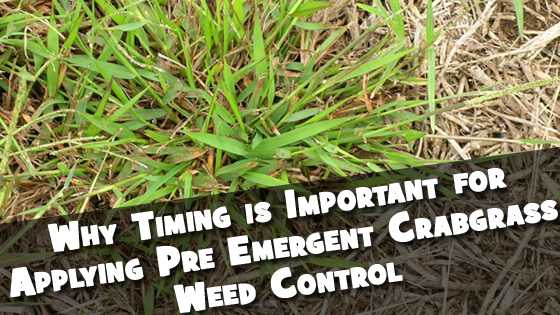
Quick Answer: The best time to apply pre-emergent crabgrass is in the early spring before the soil temperature reaches 55 degrees Fahrenheit.
Introduction:
So you want to have a beautiful, lush lawn and keep those pesky crabgrass weeds at bay? Well, applying pre-emergent crabgrass is your ticket to success! But the burning question remains: when is the best time to apply it? Don’t worry, we’ve got you covered.
Timing is crucial when it comes to applying pre-emergent crabgrass, as it works by creating a barrier on the soil surface that prevents crabgrass seeds from germinating. To maximize its effectiveness, you need to apply it before crabgrass seeds start to sprout.
The general rule of thumb is to apply pre-emergent crabgrass in the early spring, around the same time when forsythia flowers start to bloom or when soil temperatures reach around 55 degrees Fahrenheit. This is usually when the soil is still slightly cool, but the crabgrass seeds have not yet begun germination.
Now that you know the short answer, let’s dive deeper into the specifics of when and how to apply pre-emergent crabgrass for a weed-free lawn that will make your neighbors green with envy! So grab a cup of coffee, sit back, and let’s get started.

When to Apply Pre Emergent Crabgrass: A Comprehensive Guide
Introduction
When it comes to maintaining a healthy, lush lawn, one of the common challenges faced by homeowners is controlling crabgrass. This stubborn weed can quickly overrun your yard, causing it to appear unkempt and unappealing. However, with the right approach and timing, you can effectively prevent crabgrass from taking over your lawn. In this article, we will explore the best time to apply pre emergent crabgrass control, along with other important factors to consider for successful weed management.
Understanding Crabgrass Lifecycle
Before delving into the timing of pre emergent crabgrass application, it is crucial to understand the lifecycle of this resilient weed. Crabgrass is an annual grass, meaning it completes its full life cycle within a single year. The process usually starts when the seeds from the previous year’s crabgrass plants germinate in early spring.
Germination Period
Crabgrass seeds typically begin to germinate when soil temperatures consistently reach around 50 to 55 degrees Fahrenheit (10 to 13 degrees Celsius). Since crabgrass thrives in warm-season areas, this usually occurs in late spring or early summer. However, it is important to note that soil temperatures can vary depending on your geographical location and climate.
Optimal Timing for Pre Emergent Application
To effectively prevent crabgrass from establishing itself in your lawn, it is crucial to apply a pre emergent herbicide before the seeds germinate. The goal is to form a protective barrier in the soil that prevents the seeds from sprouting.
The ideal time to apply pre emergent crabgrass control is when the soil temperature reaches 55 degrees Fahrenheit (13 degrees Celsius) consistently for several days. You can monitor the soil temperature using a soil thermometer or by checking local weather reports. Typically, this aligns with the forsythia blooming stage or the time when dogwood trees begin to blossom.
Factors Influencing Application Timing
While the soil temperature is a key factor in determining when to apply pre emergent crabgrass control, several other factors can influence the timing as well. It is essential to consider these factors for a more accurate and effective application.
Geographical Location
Different regions have varying climate patterns and soil temperatures. The timing of pre emergent crabgrass application may vary depending on whether you are in the North, South, Midwest, or West. Consult with local garden centers, extension services, or horticulturists to determine the optimal timing for your specific location.
Grass Type
The type of grass you have in your lawn also plays a role in determining when to apply pre emergent crabgrass control. Cool-season grasses, such as Kentucky bluegrass and tall fescue, have different growth patterns compared to warm-season grasses like Bermuda grass or St. Augustine grass. Understanding your grass type will help you align the application timing with its growth cycle.
Previous Crabgrass Infestations
If your lawn has faced recurring crabgrass issues in previous years, it is advisable to apply pre emergent crabgrass control earlier to combat any potential seedlings. This proactive approach can help prevent crabgrass from establishing strong roots and taking over your lawn.
Weather Patterns
Weather patterns can greatly influence the timing of pre emergent crabgrass application. If there is an extended period of rain or unusually cold temperatures, it is best to delay the application until conditions are more favorable. Applying pre emergent herbicides during adverse weather conditions can reduce their effectiveness.
Application Methods and Tips
Once you have determined the optimal timing for pre emergent crabgrass control, it is essential to follow the correct application methods to ensure maximum effectiveness. Here are some tips to guide you through the process:
Cultivate the Soil
Before applying pre emergent herbicides, it is recommended to cultivate the top few inches of soil. This process helps break up any compacted soil and ensures better absorption of the herbicide. Avoid cultivating too deeply, as it may bring weed seeds to the surface, reducing the effectiveness of the pre emergent treatment.
Measure the Correct Amount
Read and follow the instructions provided by the herbicide manufacturer to determine the correct amount of product to apply. Applying too little may result in ineffective weed control, while applying too much can potentially damage your lawn.
Uniform Application
Ensure even distribution of the pre emergent herbicide by using a spreader or sprayer. This will help create a consistent barrier across your lawn, preventing any missed areas where crabgrass can thrive.
Water-In the Herbicide
After applying the pre emergent crabgrass control, lightly water your lawn to activate the herbicide and help it penetrate the soil. Follow the recommended watering guidelines specific to the product you are using.
Successfully preventing crabgrass in your lawn requires careful timing and effective pre emergent crabgrass control. By understanding the crabgrass lifecycle, monitoring soil temperatures, and considering other factors such as geographical location and grass type, you can apply pre emergent herbicides at the optimal time for maximum effectiveness. Remember to follow application methods and tips to ensure uniform coverage and activate the herbicide properly. With proper timing, you can enjoy a healthy, weed-free lawn throughout the season.
Crabgrass Pre-Emergent – When To Apply and Why to Apply Prodiamine
Frequently Asked Questions
When is the best time to apply pre-emergent crabgrass?
The best time to apply pre-emergent crabgrass is in early spring, before the crabgrass seeds germinate. This typically occurs when soil temperatures reach around 55-60°F (13-16°C). Applying the pre-emergent herbicide before the crabgrass seeds sprout is crucial for effective control.
Can I apply pre-emergent crabgrass later in the season?
It is recommended to apply pre-emergent crabgrass in early spring, but if you missed that window, you can still apply it later. However, its effectiveness may decrease as the growing season progresses. Applying pre-emergent herbicide too late in the season may not prevent all the crabgrass from germinating, but it can still provide some level of control.
What factors should I consider before applying pre-emergent crabgrass?
Before applying pre-emergent crabgrass, consider the type of grass you have in your lawn, the presence of any cool-season weeds, and the soil temperature. Different types of grass may have specific recommendations for pre-emergent application, and some herbicides may harm certain grass varieties. Additionally, if you have cool-season weeds, you may need to choose a herbicide that targets both crabgrass and those weeds.
Can I apply pre-emergent crabgrass after overseeding my lawn?
Avoid applying pre-emergent crabgrass immediately after overseeding or reseeding your lawn. The herbicide can prevent both crabgrass and desirable grass seeds from germinating. Wait for the new grass to establish and mow it a few times before applying pre-emergent herbicide. This usually takes around 8-10 weeks.
Do I need to water my lawn after applying pre-emergent crabgrass?
Watering your lawn after applying pre-emergent crabgrass is necessary to activate the herbicide. Make sure to follow the instructions on the product label regarding watering requirements. Typically, a light watering is sufficient to move the herbicide into the soil and provide the desired control against crabgrass.
Can I apply pre-emergent crabgrass in fall?
Pre-emergent crabgrass is primarily applied in early spring to prevent the weed’s germination. However, some pre-emergent herbicides can also be applied in late summer or early fall to control winter annual weeds. It is essential to read the label instructions of the specific product you are using to determine if fall application is recommended and safe for your lawn.
Final Thoughts
Applying pre-emergent crabgrass is crucial for keeping your lawn weed-free. So, when should you apply it? The best time to use pre-emergent crabgrass is in early spring, just before the soil temperature reaches 55 degrees Fahrenheit. This ensures that the herbicide forms a barrier, preventing the crabgrass seeds from germinating. Remember, timing is key, as applying too early or too late will be ineffective. By following this guideline and applying pre-emergent crabgrass at the right time, you can successfully keep your lawn free from pesky crabgrass.