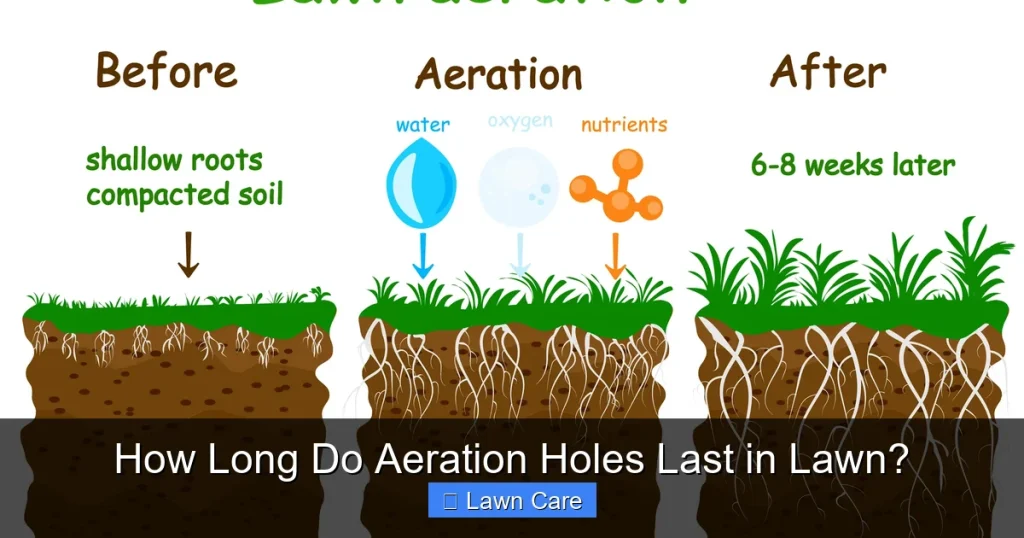
Aeration holes in your lawn are a temporary solution, but their impact can last for months. While visible holes disappear relatively quickly, the benefits of improved soil structure, water penetration, and nutrient uptake continue much longer. Understanding the factors influencing their lifespan helps you maximize the results of this essential lawn care practice.
So, you’ve just aerated your lawn, and you’re wondering about those little holes dotting your otherwise perfect green carpet. It’s a common question: “How long do aeration holes last in lawn?” You’ve put in the effort, perhaps even rented a machine or hired a professional, and now you’re eager to understand the timeline of this crucial lawn care task. The good news is, while the physical holes might not stick around forever, their positive impact on your lawn is designed to be a lasting one.
Let’s dive into what makes those holes appear, disappear, and what happens in between. Understanding the lifespan of aeration holes isn’t just about aesthetics; it’s about appreciating the process and ensuring you get the most bang for your buck when it comes to a healthy, thriving lawn. We’ll explore the factors that influence how quickly those holes vanish and, more importantly, how long the benefits of aeration stick around.
## The Anatomy of an Aeration Hole
Before we talk about how long they last, let’s quickly touch on what happens when you aerate. There are two main types of lawn aeration: spike aeration and core aeration.
### Spike Aeration
Spike aeration involves pushing solid tines or spikes into the soil. This process compacts the soil around the spike, which can be beneficial in some limited situations but is generally less effective for deep-rooted problems than core aeration. The holes created by spike aeration are essentially just compressed areas of soil.
### Core Aeration
Core aeration is the more common and recommended method for most lawns. It uses hollow tines to pull out small plugs of soil, thatch, and grass roots. These plugs are then left on the surface of the lawn to break down naturally. These are the “holes” most people are referring to when they ask about aeration hole longevity.
## How Long Do Visible Aeration Holes Last?
This is often the first thing people notice and worry about. You’ve just spent time aerating, and now your lawn looks like it has a bad case of the polka dots! The good news is that the visual evidence of aeration is usually quite temporary.
### The Disappearance Act
For both spike and core aeration, the visible holes typically start to disappear within a few days. If you performed core aeration, the soil plugs left on the surface will begin to break down. Rain, sunlight, and natural soil activity help this process along. Within **one to two weeks**, most of the visible holes will have either filled in naturally or the soil plugs will have decomposed enough to blend back into the turf.
### Factors Influencing Hole Closure
Several factors can speed up or slow down the disappearance of aeration holes:
*
Grass Type: Some grass species have faster growth rates and can fill in holes more quickly. For example, Bermudagrass and Zoysia grass, being vigorous growers, tend to close up holes faster than fescues or ryegrass.
*
Soil Type: Looser, sandier soils will naturally settle and fill in holes faster than heavy clay soils, which can hold their shape longer.
*
Weather: Rain is a great help! It washes soil into the holes and encourages grass to grow. Warm, sunny weather also promotes faster grass growth. Conversely, very dry or cold conditions can slow down the process.
*
Aeration Intensity: If aeration was done very densely, meaning many holes were created in a small area, it might take a little longer for the lawn to look “healed.”
Think of it like this: If you poke small dimples in wet sand, they disappear quickly. If you poke holes in dry, compacted clay, they might linger a bit longer. The same principle applies to your lawn.
## The Lifespan of Soil Plugs (Core Aeration)
When you use a core aerator, you’re left with those little “cores” or plugs of soil scattered across your lawn. These plugs are full of valuable nutrients and organic matter, which is why leaving them on the surface is recommended.
### Breaking Down and Reintegrating
These soil plugs are designed to break down naturally. The sun dries them out, the wind blows them around, and rain helps to wash them back into the lawn. Your grass blades will eventually grow up and through them, helping to obscure them further. Like the holes themselves, these plugs typically break down and become integrated back into the soil within **one to two weeks**.
### What If They Don’t Break Down?
In rare cases, if the plugs are very large or the weather is extremely dry and hot, they might take a bit longer to decompose. If this happens, you can gently rake over them or even use a mulching mower on a higher setting to help break them up. However, for most homeowners, nature does a perfectly good job of handling the plugs.
## The True “Lifespan”: Benefits That Linger
While the physical holes and plugs disappear relatively quickly, the *real* lifespan of aeration is measured by the benefits it provides to your lawn’s soil and root system. This is where the long-term value of aeration truly shines.
### Improving Soil Structure
The primary goal of aeration is to relieve soil compaction. Compacted soil prevents air, water, and nutrients from reaching the grass roots. When you aerate, you create channels that allow these essential elements to penetrate deeper into the soil. This improved soil structure is not a fleeting change; it can last for **several months**, making it easier for your grass to thrive.
### Enhancing Water and Nutrient Uptake
With improved soil structure comes better access for roots. Water is less likely to run off the surface of compacted soil. Instead, it can percolate down to the root zone, where the grass can utilize it. Similarly, fertilizers and essential nutrients can now reach the roots more effectively. This improved uptake can be observed for months following aeration.
### Promoting Root Growth
Aeration encourages deeper and more vigorous root growth. When roots have easier access to air and water, they can grow deeper into the soil, making the lawn more resilient to drought and stress. This stimulated root development is a long-lasting benefit that contributes to overall lawn health for an extended period.
### Reducing Thatch Buildup
Aeration also helps to break down thatch, which is a layer of dead and living organic matter that can accumulate on the soil surface. An overly thick thatch layer can harbor pests and diseases and prevent water and nutrients from reaching the soil. Aeration helps to speed up the decomposition of thatch, leading to a healthier soil environment that can last for seasons.
## Factors Influencing the *Benefits’* Lifespan
While the physical holes last weeks, the *benefits* of aeration can last much longer, but even these are influenced by several factors.
### Soil Compaction Levels
The more compacted your soil is, the more pronounced the benefits of aeration will be, and the longer they will likely be needed again. Heavily trafficked areas or lawns with clay-heavy soil will re-compact over time, meaning you’ll see the benefits of aeration diminish gradually.
### Weather Patterns
Consistent rainfall and moderate temperatures will help your lawn maintain its health and continue to benefit from the aeration. Extended periods of drought or extreme heat can stress the grass, potentially negating some of the positive effects sooner than expected.
### Ongoing Lawn Care Practices
Your regular lawn maintenance plays a huge role. Proper watering, mowing at the correct height, and appropriate fertilization will help your lawn continue to benefit from the aeration. If you neglect other aspects of lawn care, the positive impact of aeration might not last as long. For instance, if you’re struggling with persistent weeds like crabgrass, you might need to address those issues alongside aeration. You can learn more about [how do you kill crabgrass in your lawn](https://lawnhelpful.com/how-do-you-kill-crabgrass-in-your-lawn/) to maintain a healthy turf.
### Type of Aeration Performed
As mentioned, core aeration is generally more effective and provides longer-lasting benefits than spike aeration. The deeper channels created by core aeration allow for more significant improvements in soil structure and root development.
## When to Re-Aeration
Understanding how long aeration holes last and, more importantly, how long the benefits endure helps you determine when it’s time to aerate again.
### Signs Your Lawn Needs Aeration
You don’t always need to wait for the physical holes to disappear to know if aeration is beneficial. Look for these signs:
*
Water Pooling: If water consistently pools on your lawn after rain or watering, it’s a strong indicator of compaction.
*
Thinning Grass: Compacted soil struggles to support healthy grass growth, leading to thinning patches, especially in high-traffic areas.
*
Bare Spots: Persistent bare spots that are difficult to re-establish grass can be a symptom of compacted soil.
*
Dull Lawn Color: When roots can’t access sufficient air and nutrients, the overall vibrancy and color of your lawn can suffer.
### The Aeration Schedule
For most homeowners, annual aeration is recommended, especially for cool-season grasses. For warm-season grasses, aeration is typically done in late spring or early summer. The exact timing can vary depending on your climate and lawn’s condition. If you’re unsure about the best time for your specific lawn, considering [the importance of lawn aeration and how to do it right](https://lawnhelpful.com/the-importance-of-lawn-aeration-and-how-to-do-it-right/) is a great starting point.
## Maximizing the Benefits of Aeration
To ensure you get the longest-lasting positive impact from your aeration efforts, here are a few tips:
### Choose the Right Time
The best time to aerate is when your grass is actively growing. This allows it to recover quickly from the process and start filling in any disturbed areas. For cool-season grasses (like fescue, ryegrass, bluegrass), this is typically in the early fall or spring. For warm-season grasses (like Bermudagrass, Zoysia), the best time is late spring through summer.
### Combine with Overseeding or Topdressing
Aeration creates the perfect seedbed for new grass seeds. If you’re looking to thicken your lawn or introduce new grass varieties, overseeding immediately after aeration is highly effective. The seeds fall into the open holes, ensuring excellent seed-to-soil contact. Similarly, topdressing with compost or a quality soil mix after aeration can further improve soil health and fertility, extending the benefits. You can learn more about [how long to wait to mow lawn after overseeding](https://lawnhelpful.com/how-long-to-wait-to-mow-lawn-after-overseeding/) to ensure success.
### Post-Aeration Care
Water your lawn lightly after aeration, especially if you overseeded. Avoid heavy foot traffic on the lawn for a few weeks while the grass recovers. Continue your regular mowing and fertilization schedule, but be mindful of any new grass growth from overseeding.
### Address Underlying Issues
If you have specific problems like moss or brown patches, aeration can help them, but it might not be the sole solution. You may need to address the root cause of these issues, such as poor drainage or nutrient deficiencies. For instance, you might want to learn [how do I fix brown patches in my lawn](https://lawnhelpful.com/how-do-i-fix-brown-patches-in-my-lawn/) or [how do I get rid of moss in my lawn](https://lawnhelpful.com/how-do-i-get-rid-of-moss-in-my-lawn/).
## Conclusion: The Lasting Impression
So, how long do aeration holes last in lawn? The visible holes themselves are fleeting, usually gone within one to two weeks. The soil plugs from core aeration also break down and reintegrate within a similar timeframe. However, this is just the superficial aspect. The true measure of aeration’s lifespan lies in its profound and lasting impact on your soil’s health, your grass’s root system, and its overall vigor.
By improving soil structure, enhancing nutrient and water uptake, and encouraging deeper root growth, aeration provides benefits that can last for many months, making your lawn more resilient and beautiful. Understanding this distinction—between the temporary nature of the holes and the enduring benefits of the process—is key to appreciating and effectively utilizing this vital lawn care practice. Keep an eye on your lawn for signs of compaction, and you’ll know when it’s time to give it another breath of fresh air, ensuring its health and beauty for seasons to come.
- Hole Closure Time: Visible aeration holes typically close up within one to two weeks, sometimes faster, depending on grass type and conditions.
- Soil Plug Longevity: If you performed core aeration, the pulled soil plugs will break down and reintegrate into the lawn over a similar timeframe of one to two weeks.
- Duration of Benefits: While the holes vanish, the positive effects on soil compaction, water and air circulation, and root growth can last for several months, making aeration a long-term investment.
- Factors Affecting Longevity: Grass type, soil composition, weather conditions (rain, sun, temperature), and post-aeration care all play a significant role in how long aeration holes last and how effective they are.
- Maximizing Benefits: Proper timing, overseeding, and careful post-aeration maintenance can help extend the positive impact of aeration, even after the visible holes are gone.
- Signs of Need: Persistent water runoff, thin grass, or compacted soil are indicators that aeration is needed, regardless of how long holes from previous treatments might have lasted.
Quick Answers to Common Questions
How long does it take for aeration holes to disappear?
Visible aeration holes typically disappear within one to two weeks. Factors like grass type, soil composition, and weather can influence this timeline.
Do soil plugs from aeration break down quickly?
Yes, the soil plugs left from core aeration are designed to break down naturally. They usually decompose and reintegrate into the lawn within one to two weeks, especially with the help of rain and sunlight.
Are aeration holes beneficial even after they close?
Absolutely. While the holes are temporary, the improvements they bring to soil structure, water penetration, and root growth can last for several months, making aeration a valuable long-term investment for lawn health.
What factors influence how long aeration benefits last?
The duration of aeration’s benefits is influenced by soil compaction levels, ongoing weather patterns, your regular lawn care practices, and the type of aeration performed.
When should I consider aerating my lawn again?
You should consider aerating when you notice signs of soil compaction like water pooling, thinning grass, or persistent bare spots, or generally on an annual basis for most lawns.
Frequently Asked Questions
What is the main purpose of aeration holes?
The main purpose of aeration holes is to relieve soil compaction. This allows air, water, and nutrients to penetrate the soil more easily, reaching the grass roots and promoting healthier growth.
Will aeration holes damage my lawn?
No, aeration holes are a beneficial process for your lawn. While they might look unsightly for a short period, they ultimately improve soil health and encourage grass to grow stronger and thicker.
Can I walk on my lawn after aeration?
It’s best to avoid heavy foot traffic on your lawn for about two weeks after aeration, especially if you have overseeded. Light activity is usually fine once the holes have closed and any overseeding has germinated.
Should I aerate my lawn every year?
For most lawns, annual aeration is recommended, particularly for cool-season grasses or lawns with heavy clay soil or high traffic. Warm-season grasses may benefit from aeration once every 1-2 years.
What is the difference between spike and core aeration regarding hole longevity?
Spike aeration creates compressed areas that fill in quickly, while core aeration pulls out plugs. Both sets of holes typically disappear within one to two weeks, but core aeration generally provides more substantial and longer-lasting soil benefits.
How does aeration help with watering my lawn?
Aeration creates channels in compacted soil, allowing water to soak deeper into the ground instead of running off the surface. This means your lawn gets more efficient hydration, and you may even be able to water less frequently.