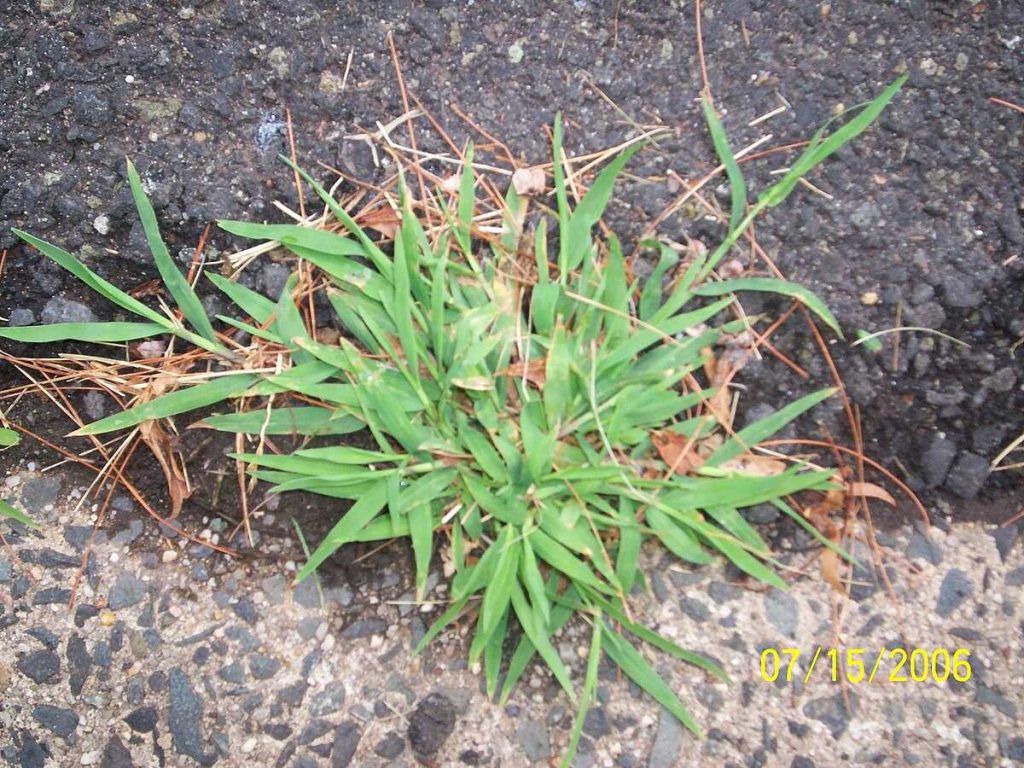
Crabgrass, a notorious weed that can take over lawns and gardens, is actually a fascinating plant with a specific scientific identity. Its scientific name is Digitaria sanguinalis, and it belongs to the Poaceae family, the grass family. Knowing the scientific name and family helps in understanding how to identify and control it more effectively.
In short, crabgrass (Digitaria sanguinalis) is a common annual weed that belongs to the Poaceae family. Recognizing its scientific classification can aid lawn enthusiasts and gardeners in managing its spread more efficiently.
Crabgrass is one of the most common unwanted visitors in lawns and gardens, especially during warm months. It’s a resilient, fast-growing weed that can quickly overshadow desirable grasses if left unchecked. Its bright green hue and spreading habit make it easy to spot, but understanding its scientific name and family adds an extra layer of knowledge that can help in effective removal and prevention. Knowing that it falls under the Poaceae family, which includes many other grasses, clarifies its behavior and growth patterns, further aiding in targeted control methods. Whether you’re a seasoned gardener or a casual lawn lover, understanding crabgrass’s taxonomy is a valuable step toward maintaining a lush, healthy yard.

Crabgrass Scientific Name and Family
Understanding the scientific name and family of crabgrass helps us learn more about this common weed. It also guides us in identifying, controlling, and preventing its spread in lawns and gardens. Crabgrass is a well-known grass species that can quickly become invasive if not managed properly.
What Is Crabgrass?
Crabgrass is a type of annual grassy weed that appears in many lawns during warm months. It is known for its sprawling growth habit and ability to outcompete desirable grasses. Recognizing crabgrass helps homeowners and gardeners take effective action against it.
The Scientific Name of Crabgrass
Full Botanical Name
The scientific name of crabgrass is Digitaria sanguinalis. It is part of the larger genus Digitaria, which includes several related grasses.
Why Scientific Names Matter
Using the proper scientific name ensures clear communication among gardeners, farmers, and scientists. It helps distinguish crabgrass from similar-looking plants and weeds.
The Family of Crabgrass
Family Name: Poaceae
Crabgrass belongs to the Poaceae family, also called the grass family. This large family contains many important grasses used for food, forage, and ornamentation.
Significance of the Poaceae Family
Knowing the family helps in understanding crabgrass’s growth habits and similarities with other grasses. It also aids in selecting appropriate control methods based on plant family traits.
Characteristics of the Poaceae Family
- Includes grasses like wheat, rice, and corn
- Contains both cultivated and wild species
- Typically has jointed stems and narrow leaves
- Reproduces mainly through seeds and rhizomes
Taxonomic Classification of Crabgrass
| Kingdom | Plantae |
|---|---|
| Family | Poaceae |
| Genus | Digitaria |
| Species | Digitaria sanguinalis |
Related Species in the Digitaria Genus
Besides Digitaria sanguinalis, other notable crabgrass species include Digitaria ischaemum and Digitaria adscendens. These species share similar traits but differ in habitat and growth patterns.
Why Identifying Crabgrass Scientific Name and Family Is Important
- Facilitates proper weed identification
- Helps select effective control methods
- Enables better understanding of growth habits
- Assists in avoiding confusion with similar grasses
Other Common Names for Crabgrass
Crabgrass is also known as digitaria or by regional names such as civil grass or rough grass. These names often vary based on location and local usage.
Environmental and Agricultural Significance
Role in Ecosystems
Though considered a weed, crabgrass can provide ground cover in some ecosystems. It prevents soil erosion and offers habitat for small creatures.
Impact on Lawns and Gardens
Crabgrass can quickly invade lawns, competing with desired turfgrass species. Its aggressive growth makes pest and disease management necessary for lawn care professionals and homeowners.
Methods to Control Crabgrass
Prevention
- Maintain a healthy, dense lawn
- Use pre-emergent herbicides in early spring
- Adjust watering and mowing practices
Manual Removal
Regular hand pulling or digging can be effective for small infestations. Ensuring removal of roots prevents regrowth.
Chemical Control
Selective post-emergent herbicides targeting crabgrass can help reduce its spread. Always follow label instructions for safety and efficacy.
Recognizing the scientific name Digitaria sanguinalis and understanding its place in the Poaceae family provides valuable insight into the nature of crabgrass. With this knowledge, lawn care becomes more manageable, allowing for better identification and control practices. Proper management ensures healthier lawns and gardens while minimizing invasive growth. Knowing its taxonomy also aids in research, education, and effective weed control strategies.
Betiri crabgrass (Digitaria betiri)
Frequently Asked Questions
What is the scientific name of crabgrass?
The scientific name of crabgrass is Digitaria sanguinalis. It is a common annual weed that appears in lawns, gardens, and disturbed areas across many regions.
Which plant family does crabgrass belong to?
Crabgrass belongs to the Poaceae family, also known as the grass family. This family includes many other important grasses, such as wheat, maize, and rice, and is characterized by jointed stems and narrow leaves.
Are there different species of crabgrass within the Digitaria genus?
Yes, the genus Digitaria includes several species of crabgrass, such as Digitaria sanguinalis and Digitaria ischaemum. Each species has unique features but shares common characteristics like rapid growth and adaptability to various soil conditions.
How can I differentiate crabgrass from other similar grasses?
Crabgrass can be identified by its coarse texture, sprawling growth habit, and seed heads that resemble finger-like projections. It often appears in patches with uneven growth, unlike bermudagrass or bluegrass, which have different leaf and seed structures.
What is the significance of knowing the scientific classification of crabgrass?
Understanding the scientific name and family helps in identifying crabgrass accurately, which is essential for effective management and control. It also allows gardeners and landscapers to distinguish it from desirable grasses and choose appropriate control methods.
Final Thoughts
Crabgrass, known scientifically as Digitaria spp., belongs to the Poaceae family. This common weed often appears in lawns, challenging homeowners and gardeners alike. Understanding its scientific name and family helps in identifying and managing it effectively.
Recognizing crabgrass by its scientific classification allows for targeted control strategies. Knowledge of its taxonomy supports better lawn care and weed prevention.
In summary, the crabgrass scientific name and family provide essential information for proper management. Knowing its classification assists in controlling this invasive species more efficiently.