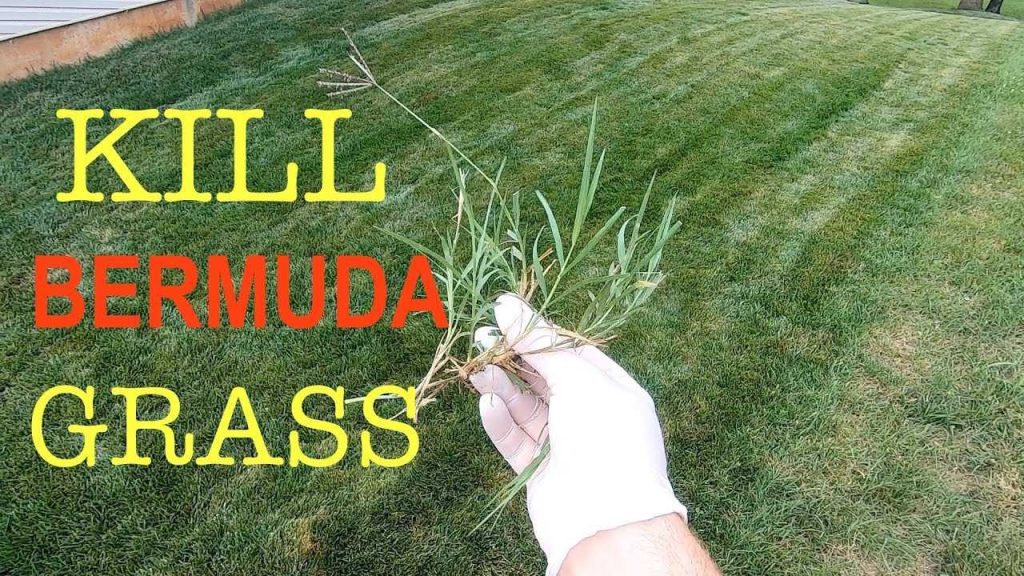
Quick answer: To eliminate bermuda grass from your fescue lawn, regularly hand-pull or spot-treat bermuda with a targeted herbicide, improve lawn health through proper fertilization, and consider overseeding with dense fescue to outcompete the bermuda. Consistent maintenance is key to keeping bermuda at bay.
Dealing with bermuda grass invading your lush fescue lawn can be frustrating, especially since bermuda is a stubborn, invasive weed that competes aggressively with your turfgrass. Luckily, with a strategic approach combining patience, proper lawn care, and targeted treatments, you can significantly reduce bermuda and restore the beauty of your fescue. Understanding how bermuda spreads and the best ways to control it without damaging your grass is essential. Whether you’re battling a small patch or an extensive invasion, this guide will walk you through practical methods to reclaim your yard and enjoy a healthy, uniform fescue lawn once again.

How to Get Rid of Bermuda Grass in Fescue
Understanding the Difference Between Bermuda Grass and Fescue
Bermuda grass is a warm-season grass known for its aggressive growth and resilience in hot weather. Fescue, on the other hand, is a cool-season grass that thrives in cooler temperatures and has a more delicate appearance. Identifying which grass is which is essential before starting removal methods. Bermuda grass spreads rapidly through both seeds and underground stems called rhizomes, making it a tough weed to eliminate from fescue lawns.
Why Is Bermuda Grass a Problem in Fescue Lawns?
Bermuda grass can quickly take over a fescue lawn, crowding out the native grass. Its rapid growth and spreading ability threaten the health and appearance of your yard. Additionally, Bermuda’s deep roots make it difficult to remove fully, which can result in persistent re-growth if not treated properly. Knowing these challenges helps in selecting effective removal methods.
Preparation Is Key Before Removing Bermuda Grass
Before starting any removal method, prepare your lawn properly. Clear debris and mow your fescue grass to about 2 to 3 inches tall. This step exposes Bermuda grass stems and makes it easier to treat. Water the area thoroughly the day before to soften the soil, making removal easier and more effective.
Manual Removal Techniques
For small patches of Bermuda grass, manual removal can be effective. Use a sturdy shovel or a garden fork to dig out the Bermuda rhizomes. Be thorough and remove all visible roots and stems. This method requires patience but is chemical-free and environmentally friendly.
Using a Hoe or Weeding Tool
A hoe or specialized weed removal tool can help in uprooting Bermuda grass. Gently scrape the surface, focusing on breaking up the rhizomes to prevent re-growth. Consistent manual removal over time can slowly reduce Bermuda’s presence.
Chemical Control Options
Chemical herbicides are often the most effective way to eliminate Bermuda grass, especially in larger areas. Use a selective herbicide designed to kill Bermuda without harming fescue. Applying these chemicals at the right time — typically during active Bermuda growth — increases success.
Choosing the Right Herbicide
Look for herbicides containing quinclorac, metsulfuron, or fenoxaprop, which target Bermuda grass specifically. Read labels carefully and follow instructions meticulously to avoid damaging your fescue.
Application Tips for Best Results
Apply herbicides during the grass’s peak growing period, usually late spring or early summer. Use a spray bottleneck with a precise nozzle to avoid overspray. Apply on a calm, dry day to prevent drift and ensure the chemical sticks to Bermuda.
Preventing Bermuda Grass from Returning
Prevention is critical for a long-term solution. Healthy, thick fescue can naturally crowd out Bermuda. Regular overseeding, watering, and fertilization keep your fescue vigorous and less susceptible to Bermuda invasion.
Proper Lawn Maintenance Practices
Maintain proper mowing heights for fescue, typically around 2.5 to 3 inches. Avoid cutting too short, as taller grass shades out Bermuda seeds and rhizomes above ground. Regularly water and fertilize to promote lush, dense turf.
Overseeding to Thicken Your Fescue
Overseeding in the fall fills in bare spots and thickens the lawn. A dense fescue lawn provides a natural barrier against Bermuda grass encroachment. Use high-quality seed and ensure proper soil preparation for best results.
Utilizing Cultural and Organic Methods
Organic methods discourage Bermuda’s growth while promoting healthy fescue growth. Applying nitrogen-rich fertilizers encourages fescue to grow thicker, shading out Bermuda. Avoid overly compacted soil, which Bermuda can exploit for root growth.
Solarization for Large Infestations
Cover affected areas with clear plastic during the hottest months. The heat generated under plastic kills Bermuda rhizomes and seeds. Solarization is a chemical-free method suitable for large patches.
Maintaining Soil Health
Regular soil testing helps identify nutrient deficiencies. Amend soil with organic matter to improve its structure and promote fescue growth. Healthy soil supports a resilient lawn less vulnerable to Bermuda invasion.
Monitoring and Ongoing Care
Consistent lawn inspection helps catch Bermuda grass early before it spreads. Remove any new growth promptly and reapply herbicides if needed. A vigilant approach combined with good lawn care practices ensures long-term weed control.
Related Topics to Consider
- Best Fertilizers for Fescue Lawns
- How to Patch Bare Spots in Your Lawn
- Watering Tips for a Thick, Healthy Fescue
- Best Mowing Practices for Lawn Longevity
Summary of Effective Strategies
| Method | Best Use | Pros | Cons |
|---|---|---|---|
| Manual Removal | Small patches | Environmentally friendly, precise | Time-consuming |
| Chemical Herbicide | Larger infestations | Fast, effective | Requires correct application |
| Solarization | Huge patches | Organic, chemical-free | Dependent on weather, slow |
| Overseeding & Lawn Maintenance | Prevention & long-term control | Strengthens fescue, natural barrier | Requires time and effort |
With patience and consistent effort, removing Bermuda grass from your fescue lawn is achievable. Combining manual, chemical, and cultural methods ensures you create a lush, weed-free yard for years to come. Regular maintenance and vigilance will help prevent Bermuda from returning, keeping your lawn beautiful and healthy.
How we control Bermuda Grass in a fescue lawn.
Frequently Asked Questions
What are effective methods to prevent bermuda grass from invading fescue lawns?
To prevent bermuda grass from spreading into your fescue lawn, establish a healthy and dense fescue stand that crowds out bermuda. Regularly maintain your lawn with proper mowing, watering, and fertilization to promote vigorous fescue growth. Using a pre-emergent herbicide in early spring can also help suppress bermuda seed germination, reducing its spread throughout the season.
How can aeration and overseeding help control bermuda grass in fescue areas?
Aerating the soil alleviates compaction, allowing fescue roots to grow deeply and strengthen their resistance against bermuda grass invasion. Overseeding with high-quality fescue encourages thick, uniform turf that physically blocks bermuda from establishing. Consistent overseeding and aeration create a competitive environment that favors fescue over bermuda, reducing its presence over time.
Are there specific herbicides suitable for selectively removing bermuda grass without harming fescue?
Yes, selective herbicides containing mesotrione or fluazifop can target bermuda grass while sparing fescue. Apply these herbicides carefully according to the manufacturer’s instructions, typically during specific growth stages of bermuda. Spot treatments of bermuda grass areas are often more effective and minimize damage to your fescue turf.
What maintenance practices help manage bermuda grass growth in a fescue lawn?
Consistently mow your fescue at the recommended height to keep it dense and healthy, which discourages bermuda from establishing. Water deeply but infrequently to promote deep root growth of fescue. Avoid over-fertilizing with nitrogen, as it can favor bermuda growth. Regular monitoring and prompt removal of bermuda patches also help maintain a primarily fescue lawn.
Can soil modification techniques aid in controlling bermuda grass in fescue areas?
Altering soil conditions, such as adjusting pH levels or improving drainage, can make the environment less favorable for bermuda grass. Incorporate organic matter to enhance soil health and root development for fescue. These measures help create a competitive advantage for fescue, making it harder for bermuda to establish itself.
Final Thoughts
To get rid of bermuda grass in fescue, start by manually removing as much bermuda as possible. Apply a selective herbicide designed to target bermuda without harming fescue. Maintain healthy fescue through proper watering and fertilizing to outcompete the bermuda. Consistent attention and proper lawn care help prevent bermuda grass from returning.