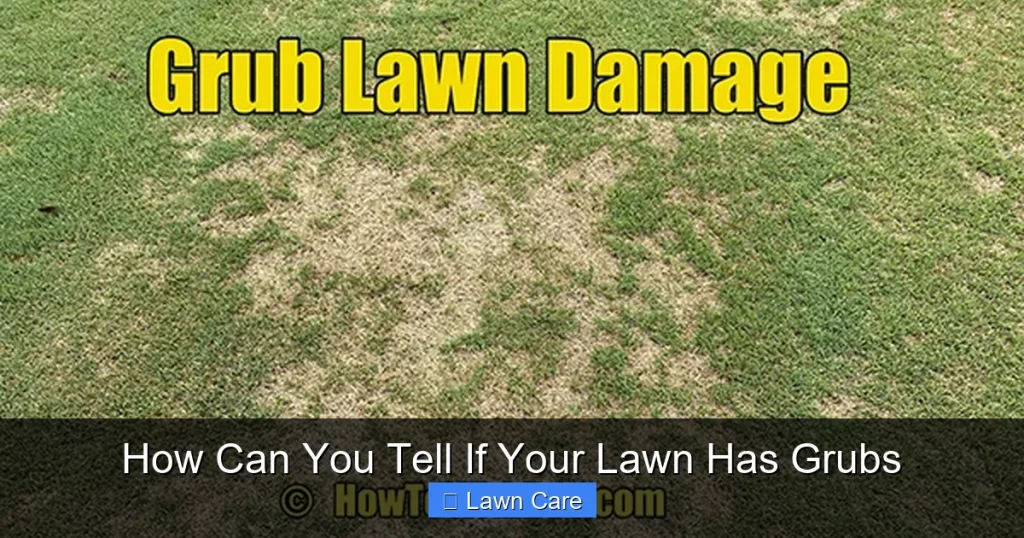
Grubs can silently destroy your lawn by feeding on grass roots, causing brown patches and weak turf. This guide walks you through simple steps to identify grubs, including checking for adult beetles, lifting sections of grass, and understanding environmental triggers. With practical tips and expert advice, you’ll know exactly what to look for—and when to act.
If your lawn suddenly turns patchy or starts dying in hot weather, you might be wondering: Could grubs be the culprit? Grubs are the larval stage of several beetle species, including Japanese beetles and June bugs, and they feed on grass roots underground. When their numbers get too high, they can weaken—or even kill—your turf. The good news? Spotting grubs early is totally doable, and knowing what to look for makes all the difference.
This guide will walk you through everything you need to know about identifying grubs in your lawn. You’ll learn how to spot the telltale signs, perform simple inspections, understand why grubs appear, and decide whether it’s time to call in professional help. By the end, you’ll feel confident diagnosing grub damage and taking action before your lawn suffers serious harm.
Key Takeaways
- Brown patches that peel easily are a major sign of grub infestation. Healthy grass should lift off the soil like carpet if grubs have eaten the roots.
- White C-shaped larvae near the surface indicate active grub populations. These pests feed on grassroots during summer months.
- Adult Japanese beetles or June bugs often signal upcoming grub problems. Their presence means eggs were laid in late spring.
- Lawn becomes brittle and dries out fast when roots are damaged. Watering may not help because the issue isn’t thirst—it’s root loss.
- Timing matters: Check for grubs in late summer or early fall when they’re most active and easiest to detect.
- Prevention beats treatment. Maintain healthy soil, avoid overwatering, and use beneficial nematodes before damage appears.
- DIY inspection is reliable. Use a shovel or screwdriver to lift small sections of turf and examine the soil beneath.
What Are Grubs and Why Do They Matter?
Grubs are the immature form of certain beetles. Most commonly, we see two types in lawns across North America:
– **Japanese beetle grubs** (Popillia japonica)
– **June beetle grubs** (Phyllophaga spp.)
These pests live just below the soil surface and feed on organic matter—especially grass roots. During late summer and early fall, mature beetles lay eggs in the soil. Once hatched, grubs begin feasting on roots, weakening the grass above. As winter approaches, they burrow deeper into the soil to survive cold temperatures.
When grub populations are low, they cause minimal damage. But when there are hundreds per square yard, your lawn can suffer significant stress. Without healthy roots to absorb water and nutrients, grass blades turn yellow, dry out, and die—even if you’re watering regularly.
Unlike drought-related browning, which usually affects the entire lawn evenly, grub damage tends to appear in scattered patches. And unlike fungal diseases, grubs don’t show visible spots or mold on leaves—they work quietly beneath the surface.
Step 1: Look for Visual Clues on Your Lawn Surface
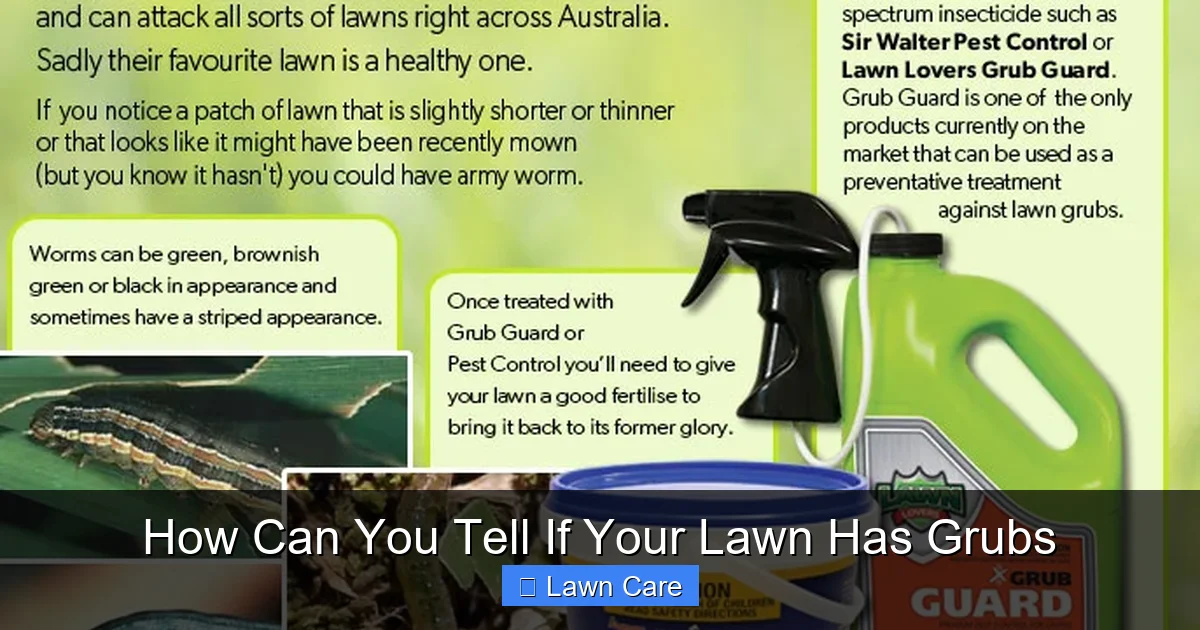
Visual guide about How Can You Tell If Your Lawn Has Grubs
Image source: loveyourlawn.com.au
The first step in detecting grubs is observing what’s happening above ground. While grubs themselves aren’t visible from a distance, their feeding habits leave clear marks.
Watch for Patchy Brown Areas
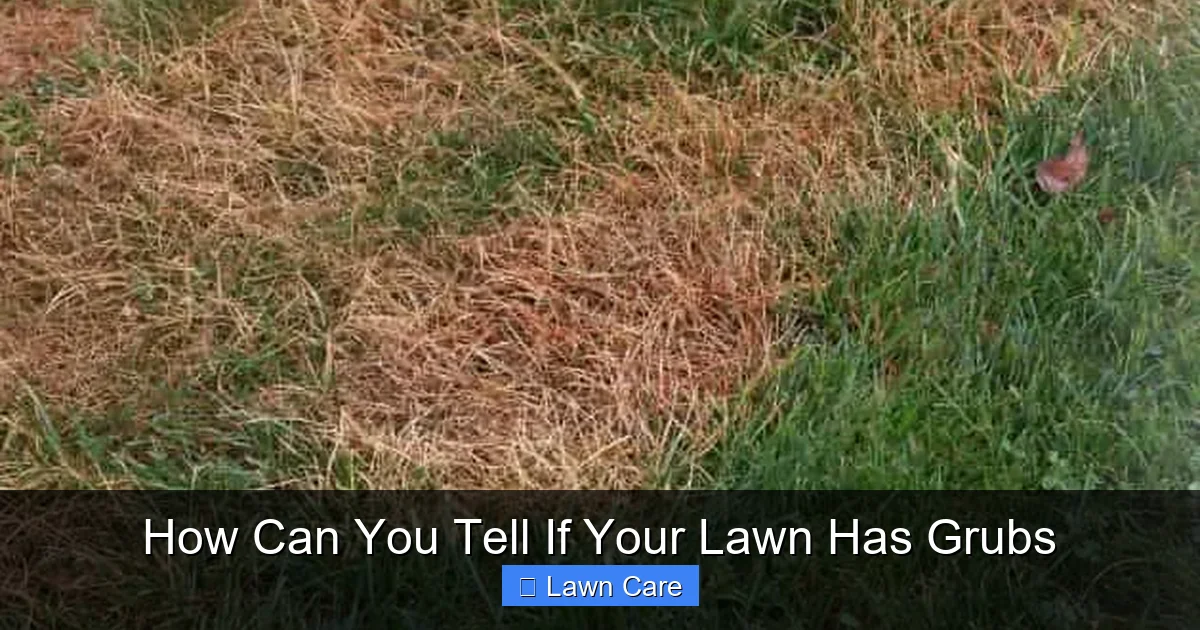
One of the most common signs of grub activity is sudden patches of dead or dying grass. These areas may look dry or straw-colored, especially during hot spells. Unlike drought-stressed lawns, however, these patches often stand out sharply against surrounding green grass.
Try this test: Gently grab a handful of grass at the edge of a brown patch and lift. If the grass comes up easily with no roots attached, grubs are likely present. Healthy grass roots grip tightly to the soil, but grub-infested areas will feel loose and spongy.
Notice Birds and Other Animals
Another subtle clue? Increased wildlife activity. Birds like robins, crows, and starlings love grub snacks. If you notice more birds pecking at your lawn than usual—especially in the evening—they may be hunting for grubs. Similarly, skunks and raccoons may dig up sections of your lawn searching for food, leaving behind small divots and torn turf.
While animal digging can also result from other issues like poor drainage or insect activity, persistent bird feeding or repeated digging suggests grubs are nearby.
Check Grass Responsiveness to Water
Healthy grass responds quickly to watering. If your lawn stays brown despite regular irrigation, grubs may be blocking root function. Even when roots are partially destroyed, water still reaches the surface—but the plant can’t take full advantage of it due to reduced absorption capacity.
Compare this to underwatered lawns, where grass slowly curls and wilts. In grub-damaged areas, the response is immediate: brown patches don’t recover after watering. This helps distinguish grub damage from dehydration.
For further insight into lawn hydration needs, check out our article on How To Tell If Your Lawn Is Underwatered Or Overwatered.
Step 2: Inspect the Soil Beneath the Turf
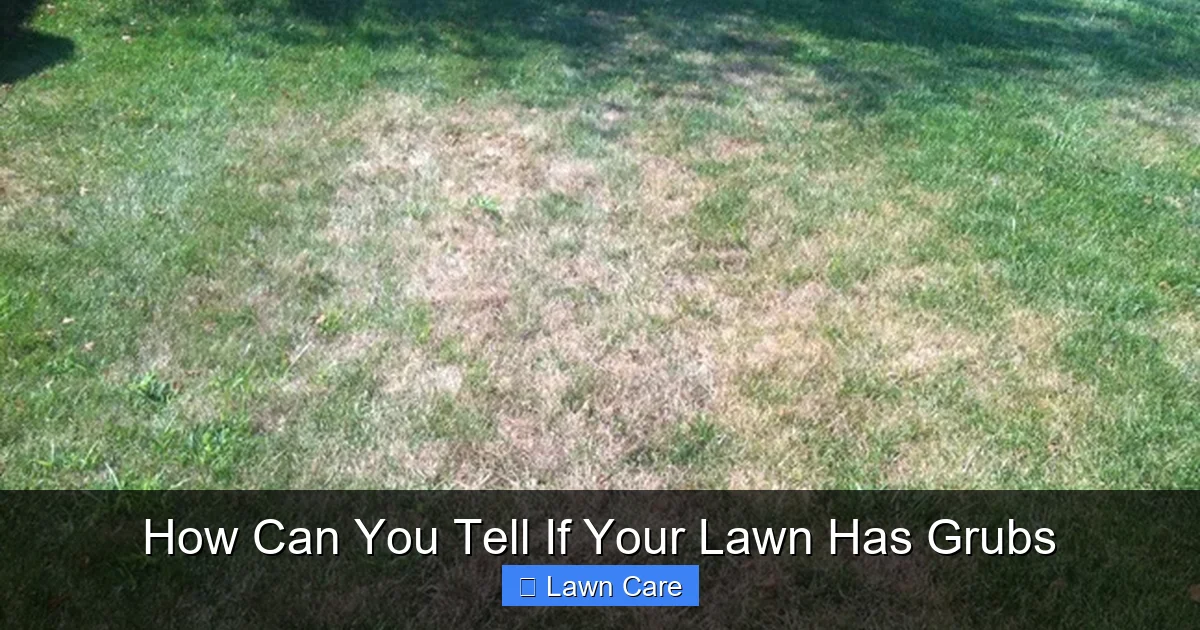
Visual guide about How Can You Tell If Your Lawn Has Grubs
Image source: d3vcbi7kncg38u.cloudfront.net
Visual signs alone aren’t always enough. To confirm whether grubs are present, you’ll need to do a hands-on inspection.
Choose the Right Time for Inspection
The best time to check for grubs is between **mid-August and mid-October**, when they’re actively feeding close to the soil surface. Avoid inspecting right after heavy rain, as wet soil makes digging harder and grubs may retreat deeper.
Use a Shovel or Screwdriver
Select a section of lawn showing suspicious symptoms. Use a sharp shovel or flathead screwdriver to cut a 6-inch by 6-inch square of sod. Lift the entire piece upward carefully—don’t tear it.
Now look beneath the grass. Healthy soil should have fibrous white roots running throughout. In grub-infested areas, you’ll find:
– Bare patches of soil
– Frayed or missing roots
– Tiny white, C-shaped larvae curled like sleeping bugs
Count how many grubs you see. Experts recommend taking action only if you find **more than 5–10 grubs per square foot**. At lower densities, natural predators often keep numbers in check.
Look Closely at the Larvae
Grub identification doesn’t require a microscope. These larvae typically measure up to 1 inch long, are soft-bodied, and have pale white undersides with brownish heads. Their signature C-shape makes them easy to spot once you know what to look for.
Note: Not all white larvae in your lawn are harmful. Some beneficial insects, like root-maggot fly larvae, don’t damage grass. But since grubs cause widespread root loss, err on the side of caution if you see large numbers.
Step 3: Observe Adult Beetles in Spring and Summer
Visual guide about How Can You Tell If Your Lawn Has Grubs
Image source: crabgrasslawn.com
You can predict grub outbreaks months in advance by watching for adult beetles. Female Japanese beetles and June bugs lay eggs in late spring to early summer, usually between May and July. A surge in these flying insects signals that grub populations will rise dramatically by late summer.
Identify Common Beetle Types
– **Japanese beetles**: Metallic green with copper-brown wing covers; about ½ inch long.
– **June bugs**: Larger, ranging from ½ to ¾ inch; reddish-brown with hard shells.
Both beetles emerge in warm evenings and congregate on plants. They chew foliage and lay clusters of tiny oval eggs in grassy soil.
If you saw lots of these beetles last year—or if your neighbor reported heavy infestations—consider preventive treatments now. Early intervention reduces the chance of severe grub damage later.
Step 4: Consider Environmental Factors That Attract Grubs
Grubs thrive under specific conditions. Understanding these helps prevent future outbreaks.
Overwatered Lawns
Excessive moisture draws beetles looking for ideal egg-laying sites. Soils that stay damp encourage both beetle reproduction and grub survival.
Poor Drainage
Compacted or poorly drained soils create stagnant water zones where grubs flourish. If your lawn feels soggy after rain or shows standing water, consider aeration to improve airflow and drainage.
Speaking of aeration, if you’re unsure whether your lawn needs it, read our guide on How To Tell If Your Lawn Really Needs Aerating With Easy Signs.
Fertilizer Overuse
Lawns rich in nitrogen attract adult beetles seeking protein for egg development. Moderate fertilization supports healthy turf without creating grub-friendly environments.
Shade vs. Sunlight
Most home lawns are grass varieties like Kentucky bluegrass or fescue, which prefer partial shade. However, grubs tend to favor sunny, well-drained spots. So while shade protects grass from heat, it may not deter grubs.
Troubleshooting Common Misdiagnoses
Sometimes, what looks like grub damage is actually something else entirely. Here’s how to rule out other possibilities:
– **Drought stress**: Uniform browning across the whole lawn; grass recovers after deep watering.
– **Fungal disease**: Yellow or grayish patches with fuzzy growth; often occurs after prolonged wet weather.
– **Poor drainage**: Soggy soil, mushrooms growing, or puddling after rain.
– **Mower blade damage**: Recent mowing left jagged edges; new growth looks uneven.
To differentiate between underwatered lawns and grub damage, compare recovery time after watering. If grass remains brown despite consistent moisture, move to Step 2 and inspect the soil.
When to Treat Grub Infestations
Not every lawn needs treatment. Light grub populations rarely cause serious harm and may disappear naturally. But if you found **more than 5 grubs per square foot** during inspection, treatment is recommended.
Common control methods include:
– **Beneficial nematodes** (natural, safe for pets and humans)
– **Insecticides** (synthetic or organic options)
– **Milky spore powder** (long-term biological control)
Apply treatments in early fall, when grubs are most vulnerable. Always follow label instructions carefully.
For ongoing care, maintain a balanced lawn program including proper mowing, watering, and fertilization. Healthy turf resists pest damage better than stressed grass.
Conclusion: Protect Your Lawn Before It’s Too Late
Detecting grubs early saves time, money, and frustration. By learning to spot the warning signs—patchy brown patches, easy-to-lift grass, increased bird activity, and adult beetles—you empower yourself to act before irreversible damage occurs.
Remember: Prevention is key. Keep your lawn healthy through proper watering, aeration, and moderate fertilization. Regular monitoring helps catch problems early.
And if you ever wonder whether your lawn really needs water or could benefit from aeration, those topics deserve their own deep dive. After all, a thriving lawn starts with smart, proactive care.