
Dandelions can quickly take over your lawn if left unchecked. This guide walks you through safe and effective ways to eliminate them using natural remedies, chemical treatments, or manual removal. You’ll also learn how to prevent future growth so your grass stays lush and green all season long.
If you’ve ever looked at your lawn and seen bright yellow dandelions popping up between blades of grass, you’re not alone. These stubborn weeds are more than just an eyesore—they can weaken your turf by competing for water, sunlight, and nutrients. Fortunately, killing dandelions doesn’t have to mean harsh chemicals or endless pulling. With the right strategy, tools, and timing, you can reclaim your lawn and keep those pesky plants from coming back.
This comprehensive guide will walk you through everything you need to know about how to kill dandelions in your lawn. Whether you prefer DIY solutions, organic options, or targeted chemical treatments, we’ll cover practical steps, expert tips, and common mistakes to avoid. By the end, you’ll feel confident tackling even the toughest dandelion patches and maintaining a healthier, greener lawn year-round.
Key Takeaways
- Identify dandelion roots: Dandelions grow deep taproots that store energy, making complete removal difficult without targeting the root system.
- Choose the right time: Early spring or fall offers the best conditions for killing dandelions because they’re actively growing and less stressed by heat or cold.
- Use selective herbicides: Selective broadleaf weed killers specifically target dandelions without harming your grass when applied correctly.
- Manual removal works but requires patience: Pulling dandelions by hand is effective only if you remove the entire root; otherwise, they regrow.
- Prevention is key: Maintaining thick, healthy turf through proper mowing, watering, and fertilization makes it harder for weeds like dandelions to return.
- Test soil pH and nutrients: Imbalanced soil often leads to weak grass that’s more susceptible to weeds—adjusting soil health supports strong turf.
- Reapply as needed: Some dandelions may survive initial treatment due to deep roots or weather—consistent follow-up ensures full control.
Why Are Dandelions Hard to Kill?
Dandelions (*Taraxacum officinale*) are among the most resilient weeds in North America. Unlike shallow-rooted plants, dandelions develop long taproots that can extend 18 inches into the soil—sometimes deeper! This deep root system allows them to access moisture and nutrients during dry spells and store energy underground. When you pull a dandelion, it’s easy to leave behind even small root fragments that can regrow.
Additionally, dandelions reproduce both by seed and vegetatively (through roots), meaning one plant can produce hundreds of seeds while also spreading through its root network. Their bright yellow flowers attract pollinators early in the season, giving them a competitive edge. Because they thrive in compacted, nutrient-poor soils, improving lawn health becomes part of the battle against them.
Best Time to Treat Dandelions
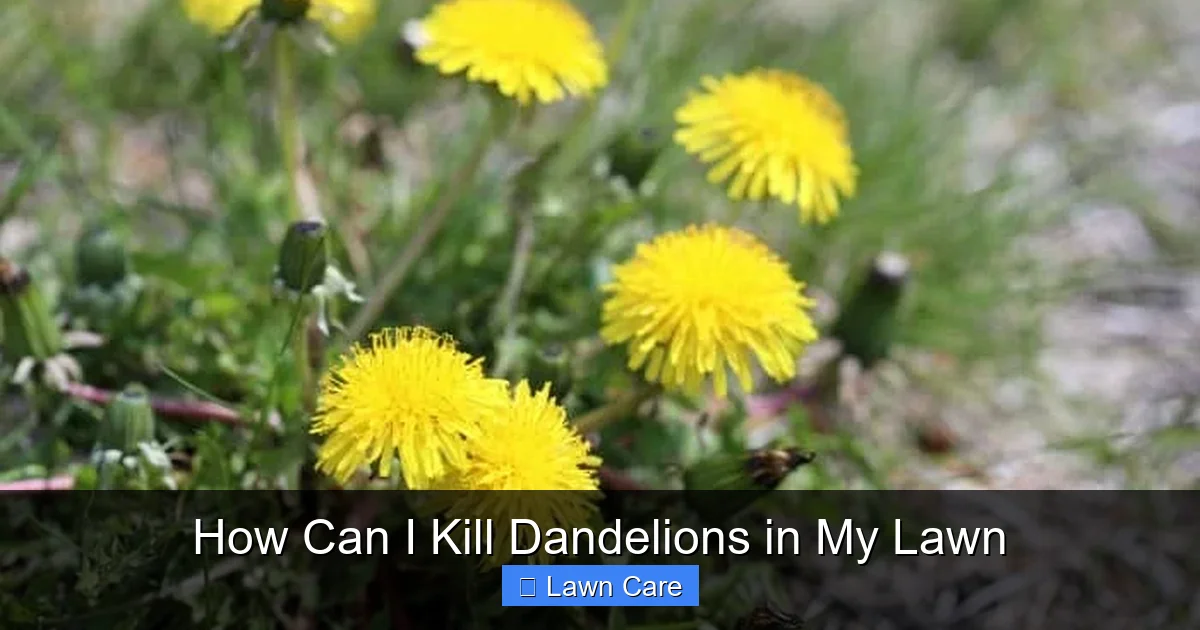
Visual guide about How Can I Kill Dandelions in My Lawn
Image source: plantforsuccess.com
Timing plays a critical role in successfully eliminating dandelions. The ideal window is **early spring** (when daytime temperatures consistently reach 50°F) or **late summer through early fall**. During these periods, dandelions are actively drawing energy from their roots to fuel new growth—making them especially vulnerable to treatments.
Avoid treating during mid-summer heatwaves or deep winter freezes, as stressed plants won’t respond well to herbicides, and cold temperatures slow down root activity. Always check local frost dates and choose calm, dry days for application to maximize effectiveness.
DIY Natural Remedies to Kill Dandelions

Visual guide about How Can I Kill Dandelions in My Lawn
Image source: greenviewfertilizer.com
For those who prefer non-chemical approaches, several household solutions can help suppress dandelions:
Boiling Water Method
Pour boiling water directly onto established dandelion heads before they flower. This simple technique kills the crown and upper roots but works best on young plants with shallow roots. Repeat every few days until the area is clear. Be careful not to splash nearby desirable plants, as boiling water can damage or kill grass and flowers.
Vinegar-Based Spray
Mix white vinegar (20% acetic acid), dish soap, and water in a spray bottle. The vinegar dehydrates the plant, while soap helps the solution stick to foliage. Apply on a sunny day when temperatures exceed 70°F for best results. Note: vinegar is non-selective, so it will also kill surrounding grass—use this method only on isolated weeds or sidewalk cracks.
Baking Soda Solution
Sprinkle baking soda generously around dandelion leaves and stems. It raises soil pH slightly, which creates an environment less favorable for dandelion growth. Combine this with regular raking to disrupt root systems. While slower-acting than other methods, baking soda is safe for pets and children once dry.
Corn Gluten Meal (Pre-Emergent)
Apply corn gluten meal (available at garden centers) in early spring as a pre-emergent herbicide. It inhibits root formation in germinating dandelion seeds but does nothing to existing mature plants. Use according to package directions—usually 20 pounds per 1,000 square feet—and water lightly afterward.
Chemical Herbicide Options

Visual guide about How Can I Kill Dandelions in My Lawn
Image source: handymanbillcan.com
When natural methods aren’t enough, selective herbicides offer powerful, targeted control. Look for products labeled “broadleaf weed killer” or “selective post-emergent herbicide.” These formulas attack dandelions without damaging most grasses.
Choosing the Right Product
Popular active ingredients include:
– **2,4-D**: Effective on many broadleaf weeds including dandelions.
– **MCPP (mecoprop)**: Often combined with 2,4-D for enhanced performance.
– **Dicamba**: Works well in cool-season grasses like fescue and bluegrass.
Always read labels carefully. Some products work better in warm climates, others in cooler regions. Avoid using in high winds or when rain is expected within 6–8 hours to prevent drift or runoff.
How to Apply Safely
Use a backpack sprayer for precision and coverage. Start at the outer edges of infested areas and work inward. Don’t overspray—just enough to coat leaves thoroughly. Wear gloves, eye protection, and long sleeves. Keep pets and kids off treated lawns until dry.
After application, monitor for regrowth. Most selective herbicides require two applications spaced 2–3 weeks apart for complete control, especially if roots remain intact.
Manual Removal Techniques
Hand-pulling remains one of the oldest and most reliable methods—but only if done correctly. Here’s how to do it effectively:
When to Pull
Wait until after a rain when soil is moist and loose. Wet ground makes it easier to extract the entire taproot.
How to Pull Properly
Use a weeding tool or dandelion digger with a long, sharp blade. Insert it around the base of the plant at a 45-degree angle and push downward until you reach the root tip. Twist gently while pulling upward to loosen soil and extract the whole root. If the root breaks off, use tweezers to pull out remaining fragments.
Dispose of Plants Correctly
Never compost pulled dandelions unless you’re certain your composter reaches temperatures above 140°F (to kill seeds). Otherwise, bag and discard them in the trash to prevent spreading seeds or regrowth.
Post-Pull Care
Fill the hole left by removal with fresh topsoil or compost. Overseed bare spots immediately to crowd out any surviving dandelion seedlings. Water lightly but frequently to encourage new grass growth.
Preventing Future Dandelion Growth
Once you’ve eliminated existing dandelions, focus on preventing their return. Healthy turf acts as a natural barrier, making it hard for weeds to take hold.
Mow High and Often
Set your mower blade at 3–4 inches tall. Taller grass shades soil, reducing light available for dandelion seedlings. Plus, frequent mowing prevents flowering before seeds disperse. For best results, use a mulching mower to return clippings to the lawn—this recycles nutrients and maintains soil moisture.
Water Deeply but Infrequently
Dandelions thrive in shallow, frequent watering. Instead, water your lawn deeply once or twice a week so moisture penetrates below the root zone. This encourages deep root growth in grass while discouraging shallow-rooted weeds.
Fertilize Strategically
Feed your lawn in early spring and late fall with a balanced fertilizer (e.g., 10-10-10). Strong, dense grass outcompetes dandelions for resources. Avoid over-fertilizing in summer, as this can promote soft growth that’s prone to disease.
Aerate Compact Soil
Compacted soil limits airflow and water penetration, creating perfect conditions for weeds. Aerating annually (or biannually in heavy-use areas) opens up soil pores, allowing grass roots to breathe and absorb nutrients. You can aerate manually with a core aerator or rent a machine. For guidance, check out our article on how to aerate your lawn cheaply.
Test and Adjust Soil pH
Most grasses prefer a slightly acidic to neutral soil pH (6.0–7.0). If your soil is too alkaline (above 7.5), dandelions flourish. Conduct a soil test (available at garden centers) and amend accordingly with sulfur to lower pH or lime to raise it. Healthy soil chemistry supports vigorous grass growth and discourages weeds.
Troubleshooting Common Issues
Even with careful planning, challenges arise. Here’s how to handle them:
Regrowth After Treatment
If dandelions come back after pulling or spraying, you likely missed the root. Try again after rain, using a digging tool to remove all fragments. For chemical treatments, apply a second round 2–3 weeks later—some deep-rooted plants survive the first pass.
Herbicide Damage to Grass
Overspray or applying too strong a concentration can harm or kill grass. If this happens, stop using the product immediately, flush affected areas with clean water, and overseed damaged patches. Future applications should follow label instructions precisely.
Dandelions Returning Every Year
Persistent dandelions often signal underlying lawn issues—poor drainage, compacted soil, or inadequate nutrients. Address these problems systematically: aerate, test soil, fertilize appropriately, and improve drainage if needed. Also consider overseeding thin areas to build thicker turf.
Allergic Reactions or Pet Safety
Some people experience skin irritation from handling dandelions or spraying chemicals. Always wear protective gear. Keep pets off treated areas until fully dry. If using vinegar or boiling water near play areas, rinse the spot afterward.
Conclusion
Killing dandelions doesn’t have to be frustrating or overwhelming. By combining timely treatments, proper techniques, and ongoing lawn care, you can eliminate these weeds and enjoy a lush, weed-free yard. Start with identifying the root cause of their presence, choose a method that fits your lifestyle (DIY, chemical, or manual), and stay consistent with maintenance.
Remember—there’s no magic bullet that kills every dandelion overnight. Patience and persistence pay off. And don’t forget: a thick, healthy lawn is your best defense against future invasions. For more tips on keeping your grass vibrant all year, explore our guides on maintaining green turf and preventing weeds before they start.
With dedication, your lawn will soon be dandelion-free and ready for picnics, games, and relaxation!