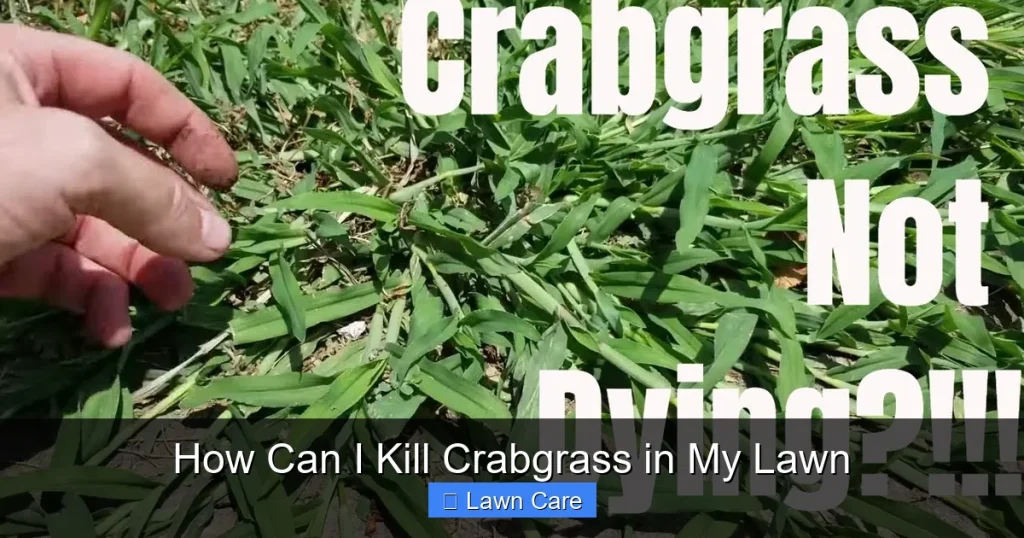
Crabgrass can quickly take over your lawn, but effective removal is possible with the right approach. This guide walks you through identifying crabgrass, choosing the best treatment method, applying herbicides safely, and preventing future growth. With consistent care and smart lawn practices, you can reclaim a healthy, green yard.
If you’ve noticed ugly, patchy yellow-green plants spreading across your lawn like tiny stars, you’re likely dealing with crabgrass. This common weed loves hot sun, compacted soil, and weak turf. The good news? You can win the battle—and even prevent future invasions. In this complete guide, you’ll learn exactly how to kill crabgrass in your lawn using safe, effective methods that protect your grass and the environment.
You’ll discover how to spot crabgrass at every stage, choose the right treatment for your situation, apply products correctly, and build a lawn so strong it won’t need saving again. Whether you’re fighting an old infestation or stopping new seedlings cold, we’ve got practical steps you can start using today.
Key Takeaways
- Identify crabgrass early: Look for wide, flat blades that spread outward like fingers—crabgrass thrives in bare or thin spots.
- Use pre-emergent herbicides: Apply them in early spring before soil temperatures reach 55°F to stop seeds from sprouting.
- Spot-treat existing patches: Use post-emergent herbicides on mature crabgrass for faster results, especially in summer.
- Improve lawn health: Thick grass crowds out weeds. Aerate, fertilize, and water deeply to strengthen turf.
- Mow high and often: Keep mower blades at 3 inches to shade soil and reduce sunlight for weed germination.
- Water deeply but less frequently: Encourage deep root growth instead of shallow watering that favors crabgrass.
- Consider natural options: Vinegar, boiling water, or corn gluten meal offer eco-friendly alternatives with limited effectiveness.
What Is Crabgrass and Why Does It Matter?
Crabgrass isn’t just unsightly—it weakens your lawn by sucking up nutrients, blocking sunlight, and creating bare patches where more weeds can grow. There are two main types: large crabgrass (common in cool seasons) and smooth crabgrass (thrives in warm climates). Both spread fast through seeds dropped from seed heads that form in late summer.
Unlike broadleaf weeds such as dandelions, crabgrass is a grass-like annual. That means it completes its life cycle in one season—germinating, growing, flowering, and dying back. But if you don’t act, those seeds stay in the soil for months, ready to sprout again next year.
The key to winning? Understand timing. Crabgrass germinates when soil hits 55–60°F, usually late spring. So your strategy should focus on stopping seeds before they sprout—or killing young plants before they spread.
Step 1: Confirm It’s Really Crabgrass
Visual guide about How Can I Kill Crabgrass in My Lawn
Image source: crabgrasslawn.com
Before treating anything, make sure you’re targeting the right weed. Crabgrass has several telltale signs:
– **Leaf shape:** Wide blades (¼ to ½ inch wide) with rough texture and pointed tips.
– **Growth pattern:** Spreads outward in clumps, forming star-like patches.
– **Color:** Light green or yellowish compared to healthy grass.
– **Roots:** Shallow fibrous roots that break off easily.
– **Seed heads:** Found in late summer—look for small, finger-like clusters.
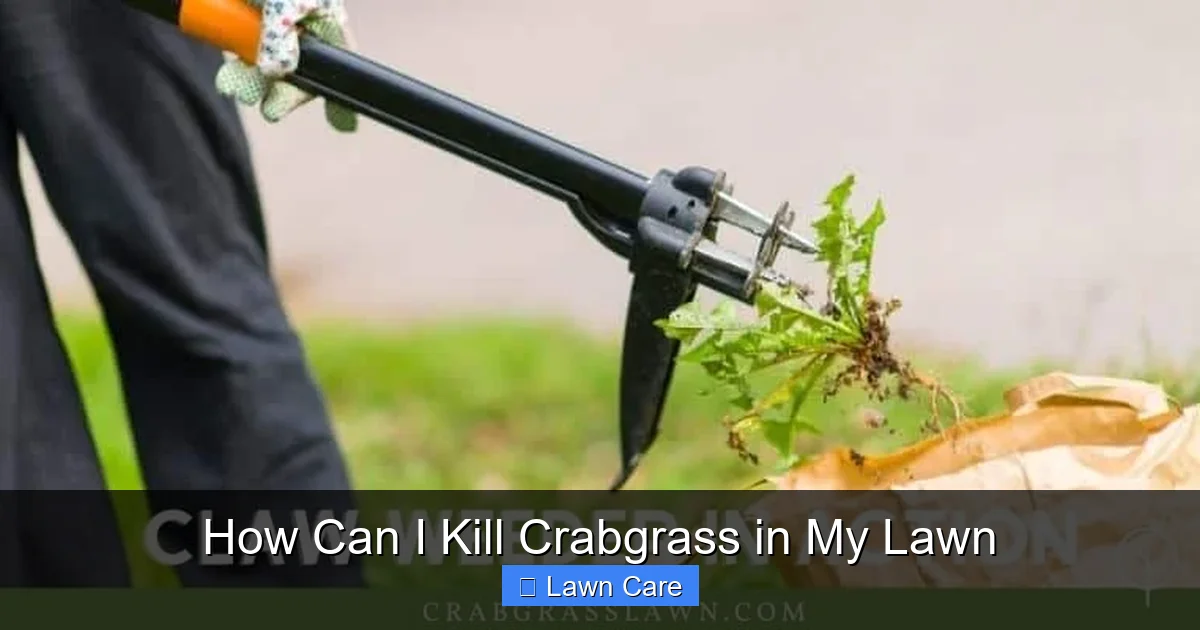
Compare it side-by-side with similar weeds like chickweed or prostrate spurge. If you’re unsure, take a photo and consult a local extension office or garden center.
Once confirmed, assess how bad the problem is. Light infestations may respond well to manual removal. Heavily infested yards might need stronger intervention.
Step 2: Choose Your Treatment Strategy
Visual guide about How Can I Kill Crabgrass in My Lawn
Image source: crabgrasslawn.com
There are three main approaches to killing crabgrass: prevention, post-emergent chemicals, and natural remedies. Most successful plans combine more than one.
Option A: Pre-Emergent Herbicide (Best Prevention)
Pre-emergent stops crabgrass seeds from germinating. Applied in early spring, it creates a chemical barrier in the top inch of soil. Products like prodiamine or pendimethalin work best when used properly.
When to apply: Before soil temperature reaches 55°F consistently. Check local planting calendars—this varies by region.
How to apply: Use a broadcast or drop spreader for even coverage. Avoid mowing for 24 hours before and after application. Water lightly (¼ inch) to activate the product—but not so much that it washes away.
Note: Pre-emergent only works on seeds. If you already see green shoots, it’s too late for this method alone.
Option B: Post-Emergent Herbicide (For Active Infestations)
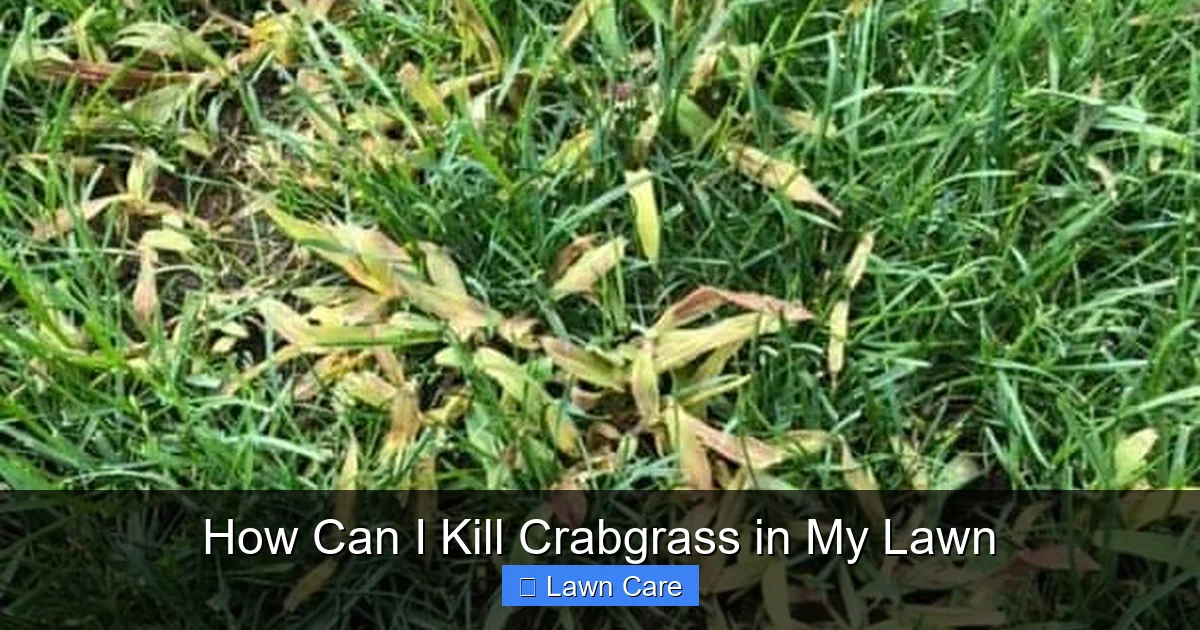
Post-emergent kills growing crabgrass plants. Products containing quinclorac (e.g., Drive XP) or fenoxaprop (e.g., Fusilade DX) target grassy weeds without harming most broadleaf plants.
Best timing: Treat when crabgrass is young—about 2 to 4 inches tall. Older plants are harder to kill and may go dormant instead of dying.
Application tips:
– Spray on calm days (no wind)
– Avoid spraying rain within 24 hours
– Follow label instructions carefully—overuse harms desirable grass
– Spot-treat small areas to minimize collateral damage
For lawns with mixed grass types (like fescue), choose selective herbicides labeled safe for your turf.
Option C: Natural and Organic Methods
If you prefer non-chemical solutions, try these:
– Vinegar spray: Mix 1 gallon white vinegar + 1 cup salt + 1 teaspoon dish soap. Spray directly on leaves. Works best on small, sunny days. Repeat weekly. Note: High vinegar concentration can harm nearby plants.
– Boiling water: Pour directly onto patches. Fast but temporary—doesn’t affect seeds underground.
– Corn gluten meal: Acts as both fertilizer and pre-emergent. Apply in spring (not fall). Effectiveness varies by soil type.
While eco-friendly, natural options rarely eliminate all crabgrass and require repeated effort.
Step 3: Prepare Your Lawn Before Treatment
Visual guide about How Can I Kill Crabgrass in My Lawn
Image source: cdn.lawnknowledge.com
Even the best herbicide won’t work well on dirty or unhealthy turf. Prep your lawn first:
Clear Debris and Mow
Remove leaves, sticks, and clippings. Mow your lawn short (about 1–2 inches) before applying any treatment. This ensures better contact between product and weed.
Aerate Compacted Soil
Crabgrass thrives in compacted, poor-draining soil. Aerating opens up air pockets, improves water absorption, and reduces thatch buildup. Consider renting an aerator or hiring a pro. For smaller yards, spike shoes or manual tools help too. Learn more about how to aerate your lawn properly.
Fertilize Weak Areas
Apply a balanced fertilizer (e.g., 10-10-10) to encourage dense grass growth. Healthy turf naturally chokes out weeds. Avoid nitrogen-heavy formulas right before herbicide use—they can increase plant uptake of chemicals.
Step 4: Apply Herbicide Safely and Effectively
Follow these safety steps no matter which product you use:
– Wear gloves, goggles, and long sleeves
– Read the entire label before opening
– Calibrate your spreader or sprayer per instructions
– Set nozzles at correct height and overlap paths slightly
– Start spraying at the edge of your lawn and work inward
For granular pre-emergents:
– Spread evenly using a rotary or drop spreader
– Don’t reapply unless specified
– Store leftover product in original container
For liquid post-emergents:
– Fill sprayer with clean water first
– Add measured herbicide slowly while stirring
– Shake well before each use
– Spray until leaves are wet but not dripping
After application:
– Wash hands thoroughly
– Rinse sprayer immediately
– Leave treated area undisturbed for 24 hours
Step 5: Support Recovery and Prevent Future Growth
Killing crabgrass is only half the fight. To keep it gone:
Overseed Bare Patches
In fall, sow grass seed into thin or bare areas. Choose a mix suited to your climate (e.g., Kentucky bluegrass, tall fescue). Lightly rake seeds into soil and water daily until established.
Adjust Mowing Habits
Set your mower blade to 3 inches minimum. Taller grass shades soil, reducing light needed for weed germination. Never cut more than ⅓ of the blade height at once. Need tips on mowing timing? See our guide on how late you can mow your lawn.
Water Deeply Once or Twice Weekly
Shallow, frequent watering encourages weak surface roots—perfect for crabgrass. Instead, give your lawn 1–1.5 inches per week through deep soaking. Early morning is best to reduce evaporation and fungal risk.
Maintain Regular Fertility
Test your soil every 2–3 years to check pH and nutrient levels. Amend as needed with lime (for acid soils) or sulfur (for alkaline). A healthy pH range (6.0–7.0) helps grass absorb nutrients efficiently.
Troubleshooting Common Crabgrass Problems
Problem: Herbicide Didn’t Kill Crabgrass
Possible causes:
– Too much rain washed away pre-emergent
– Post-emergent applied too late (plant too mature)
– Product expired or stored improperly
– Wrong active ingredient for your grass type
Solution: Reapply with correct timing and product. For stubborn cases, hand-pulling may be necessary.
Problem: Crabgrass Returns Every Year
This usually means prevention failed. Review your schedule:
– Did you miss the pre-emergent window?
– Was coverage uneven?
– Did you overseed after treatment?
Improve by combining pre- and post-emergent strategies and maintaining thicker turf.
Problem: Chemical Burn on Desirable Grass
Caused by over-application or wrong product. Stop using herbicides immediately. Increase watering to dilute chemicals. Overseed damaged areas in fall.
Conclusion: Build a Resilient Lawn That Defends Itself
Killing crabgrass doesn’t have to mean constant war. By understanding its lifecycle, using targeted treatments, and building strong turf, you can turn your lawn into a self-defending ecosystem. Start with prevention in spring, stay vigilant through summer, and reinforce recovery in fall.
Remember: No single fix guarantees permanent results. Consistency matters more than intensity. With proper mowing, watering, fertilizing, and occasional herbicide use, your lawn will outcompete crabgrass year after year.
Want to learn why crabgrass keeps coming back? Check out our article on why you have crabgrass in your lawn. And for ongoing care tips, explore how to take care of your lawn.