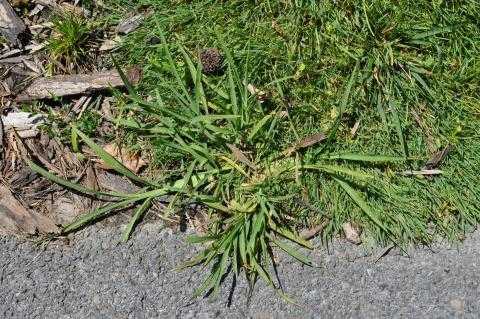
Crabgrass shows up in your lawn when conditions are just right, turning a lush yard into a patchy disaster. The quick answer is: it’s likely due to heat, drought stress, or neglected lawn care allowing this invasive weed to take hold. Crabgrass thrives in warm weather and poor soil, quickly outgrowing your grass if you don’t stay ahead of it with proper maintenance.
If you’re wondering why that stubborn crabgrass keeps invading, it’s usually because your lawn isn’t dense enough to compete with it, or because weeds have been left unchecked during the early stages of growth. Addressing it involves understanding the right lawn care practices, such as proper watering, mowing, and weed control. By tackling these issues early, you can reclaim your yard and enjoy a vibrant, crabgrass-free lawn.

Why Do I Have Crabgrass in My Lawn?
Understanding What Crabgrass Is
Crabgrass is a common weed that often invades lawns during warm months. It looks different from regular grass because of its wide, coarse blades and spreading growth habit. Many homeowners find it frustrating because it quickly takes over bare spots.
Why Crabgrass Grows So Quickly
Crabgrass is a fast grower that thrives in hot, sunny weather. It produces many seeds that can sprout in just a few days. If the conditions are right, crabgrass can cover large areas in a short time.
Factors That Contribute to Crabgrass Growth
There are several reasons why crabgrass appears in lawns. These include soil conditions, watering habits, and lawn maintenance practices. Identifying these factors can help you prevent future invasions.
Soil Composition and Health
Crabgrass prefers bare, poor, or compacted soil. When grass is thin or patchy, crabgrass can quickly take over. Healthy, dense turf leaves little room for weeds to grow.
Watering Practices
Overwatering or uneven watering creates ideal conditions for crabgrass. It thrives in moist soil but can also survive in drought conditions. Proper watering helps promote strong grass growth that can resist weeds.
Sunlight Exposure
Crabgrass loves full sun. Lawns that receive plenty of direct sunlight are more susceptible. Shaded areas might have fewer weeds, but keeping turf healthy is still important.
Seeding and Spreading Patterns of Crabgrass
Crabgrass spreads mainly through seeds that drop onto the soil. These seeds can stay dormant for months until conditions become suitable for sprouting. Once established, the weed produces new seeds, continuing the cycle.
Seed Dispersal
Crabgrass produces a large number of seeds that can be blown by wind or spread by animals. Seeds often settle on bare patches or thin turf, where they sprout quickly.
Vegetative Growth
Aside from seeds, crabgrass also spreads by rhizomes and stolons—underground and aboveground stems that produce new plants. This growth pattern allows it to quickly expand across a lawn.
Impact of Lawn Maintenance on Crabgrass
Poor lawn care can open the door for crabgrass invasion. Maintaining a healthy, dense lawn can prevent weeds from establishing themselves.
Mowing Practices
Mowing too short weakens grass and leaves room for crabgrass to grow. Cutting at the correct height—around 2.5 to 3 inches—helps keep the turf healthy and more resistant to weeds.
Fertilization and Soil Nutrition
Lawn fertilization provides essential nutrients that promote thick, vigorous grass. Proper fertilization helps grass outcompete weeds, including crabgrass.
Aeration and Dethatching
Compacted soil and thatch buildup can create ideal conditions for crabgrass. Regular aeration and dethatching improve soil health, allowing grass roots to grow deeply and fight weeds more effectively.
Seasonal Patterns and Timing of Crabgrass
Knowing when crabgrass appears can help you time your control methods better. Typically, crabgrass germinates in late spring through early summer.
Germination Period
Crabgrass seeds usually sprout when soil temperatures reach about 55 to 60 degrees Fahrenheit. This often occurs from late spring to early summer, depending on your region.
Peak Growth Seasons
Crabgrass grows rapidly during hot, dry periods. It peaks in mid to late summer when temperatures are highest and rainfall is limited.
How to Prevent Crabgrass in Your Lawn
Preventing crabgrass is easier than removing it once established. Several proactive steps can minimize its appearance.
Pre-Emergent Herbicides
Applying pre-emergent herbicides before seeds germinate can stop crabgrass from sprouting. Timing is critical—apply in early spring or late winter depending on your location.
Maintain a Thick Turf
A dense, healthy lawn leaves less room for weeds to invade. Regular overseeding, fertilizing, and watering promote a lush turf.
Proper Lawn Mowing
Mow regularly at the recommended height to avoid stress on the grass. Keeping grass tall discourages crabgrass from establishing roots.
Watering Techniques
Water deeply but infrequently to encourage deep grass roots. This makes the turf more resistant to weed invasion.
Soil Testing and Conditioning
Test your soil to identify nutrient deficiencies or pH imbalances. Amend soil to improve grass growth and reduce weed susceptibility.
Methods to Remove Crabgrass Once It’s Established
If crabgrass is already growing, immediate action can help control it. Manual removal, herbicides, and cultural practices work together for best results.
Manual Removal
Pull crabgrass by hand, making sure to remove entire roots. This prevents it from regrowing and spreading.
Post-Emergent Herbicides
Use selective herbicides to target crabgrass without harming your lawn grass. Apply according to label instructions for safety and effectiveness.
Improve Lawn Health
After removal, focus on restoring turf density. Proper fertilization and overseeding help prevent future weed invasions.
Related Topics to Consider
Beyond crabgrass, other weeds like dandelions and clover can also affect your lawn. Managing pest problems, watering schedules, and soil health are all interconnected.
- Lawn Aeration and Overseeding: Strengthen turf and fill bare spots.
- Organic Weed Control: Eco-friendly options like corn gluten meal or vinegar solutions.
- Soil Health and pH Levels: Ensure optimal growing conditions for grass.
Final Tips for a Crabgrass-Free Lawn
Consistent lawn care, timely herbicide applications, and good cultural practices form the foundation of weed prevention. Regular lawn inspections allow early detection and control of crabgrass and other weeds. Remember, a healthy lawn is your best defense against invasive weeds like crabgrass.
How to Get Rid of Crabgrass (4 Easy Steps)
Frequently Asked Questions
What environmental conditions favor the growth of crabgrass in my lawn?
Crabgrass thrives in hot, dry, and compacted soils. It often appears when the weather turns warm in late spring and early summer. Poor soil drainage and low fertility can also make your lawn more vulnerable, as crabgrass rapidly takes advantage of stressed turf areas where other grasses struggle to grow.
How does mowing height influence crabgrass development?
Mowing your lawn too short can create ideal conditions for crabgrass to invade. Shorter grass reduces shade coverage, allowing sunlight to reach the soil surface, which stimulates crabgrass seed germination. Maintaining a taller mowing height helps shade the soil, suppressing seedling growth and promoting healthier turf that resists weeds.
In what ways does lawn maintenance impact crabgrass emergence?
Inconsistent watering, over-fertilizing with nitrogen, and neglecting to overseed thin areas encourage crabgrass spread. Proper lawn care, including regular watering, aeration for healthy soil, and overseeding thin patches, strengthens your grass and makes it difficult for crabgrass to establish itself.
Can the type of grass in my lawn influence crabgrass growth?
Yes, certain grass species are more resistant to crabgrass. Warm-season grasses like Bermuda grass and zoysia tend to compete better with crabgrass, while cool-season grasses like Kentucky bluegrass or fescue are more susceptible. Choosing a resilient grass type suited for your climate can help reduce crabgrass problems.
What role does seed dispersal play in crabgrass proliferation?
Crabgrass spreads primarily through its seed heads, which release numerous seeds that are easily carried by wind, water, and animals. These seeds can quickly establish in disturbed or bare patches of soil, making it important to manage lawn health and prevent soil erosion to limit seed dispersal opportunities.
Final Thoughts
Crabgrass thrives in lawns with poor soil health and inadequate mowing practices. It often appears when the grass is weak or thin, providing space for weeds to take hold.
Frequent watering and proper fertilization can help your grass resist crabgrass invasion. Additionally, applying pre-emergent herbicides at the right time can prevent its growth.
In conclusion, why do I have crabgrass in my lawn? It mainly results from improper maintenance and soil conditions. Addressing these issues helps keep your lawn healthy and crabgrass-free.