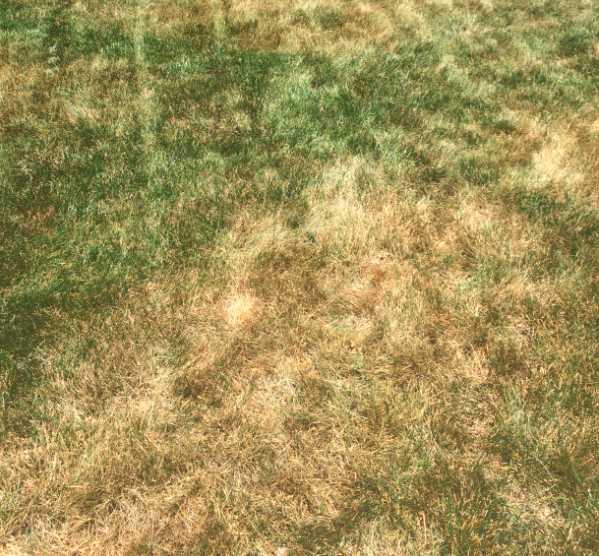
To combat heat stress in Bermuda grass, ensure proper watering, provide adequate shade, and apply appropriate fertilizers to keep your lawn healthy during hot weather. These simple steps can revive your grass and prevent long-term damage, ensuring a lush, green yard even in the peak summer months.
Heat stress is a common challenge for Bermuda grass during scorching summer months. When temperatures soar, the grass can turn brown, become patchy, and lose its vigor, making your lawn look forlorn and neglected. Fortunately, with the right care techniques—like deep watering, providing some shade, and avoiding excessive fertilizer—you can help your Bermuda grass withstand intense heat and bounce back quickly. Recognizing the signs early and applying these simple remedies can save your lawn from irreversible damage, keeping it vibrant and healthy throughout the season. It’s all about understanding the needs of Bermuda grass during hot weather and taking proactive steps to support its resilience.

Understanding Heat Stress in Bermuda Grass
Bermuda grass is a popular warm-season turfgrass known for its drought tolerance and durability. However, during hot weather, Bermuda grass can experience **heat stress**, which affects its health and appearance. Heat stress happens when temperatures rise too high for the grass to stay healthy, leading to issues like discoloration and patchy growth.
When Bermuda grass faces prolonged periods of heat, it struggles to keep up with water loss through evaporation. This causes the grass to become **stressed**, showing signs such as wilting, yellowing, or browning. Knowing how heat impacts Bermuda grass helps homeowners and landscapers take better care of their lawns during the hottest months.
What Causes Heat Stress in Bermuda Grass?
Heat stress in Bermuda grass is primarily caused by high temperatures combined with other environmental factors. Key causes include:
- Extreme daytime temperatures: Temperatures above 90°F (32°C) are often enough to cause stress.
- Low soil moisture: Insufficient watering reduces the grass’s ability to cool itself through evaporation.
- High humidity levels: Excess moisture in the air makes it harder for Bermuda grass to transpire effectively.
- Strong sunlight exposure: Intense sunlight increases temperature, raising the risk of stress.
Understanding these causes helps in implementing preventative measures proactively.
Signs and Symptoms of Heat Stress in Bermuda Grass
Early signs of heat stress include subtle changes that can be mistaken for other issues. Watch for:
- Discoloration: Grass turning yellow or brown, especially during the hottest parts of the day.
- Wilting: Grass blades appear limp and lose their upright posture.
- Patchy growth: Dead or dormant patches forming across the lawn.
- Reduced growth rate: Slow or stunted grass development during peak summer months.
If these symptoms appear, it indicates the need for immediate action to help the grass recover.
Impacts of Heat Stress on Bermuda Grass
Heat stress can lead to several negative effects on Bermuda grass health:
Dehydration and Wilting
When water loss exceeds intake, the grass begins to wilt, reducing its ability to perform photosynthesis effectively.
Thatch Build-up
Stress can make the turf develop a thick layer of organic matter called thatch, which further impairs water and nutrient absorption.
Vulnerability to Pests and Disease
Stressed Bermuda grass becomes more prone to pest invasions and fungal infections, complicating recovery.
Death of Grass Blades
Persistent heat stress may cause permanent damage, resulting in bald patches and thinning lawns.
Managing Heat Stress in Bermuda Grass
Proper management can prevent or mitigate heat stress symptoms. Key strategies include:
Regular Watering
Ensure deep, infrequent watering to encourage strong root growth. Water early in the morning or late in the afternoon to minimize evaporation.
Maintain Proper Mowing Height
Keep Bermuda grass slightly taller, around 1.25 to 2 inches. Taller grass provides shade to the roots and reduces water loss.
Use Shade Coverings
Temporary shade structures or planting shade trees can protect the grass from direct sunlight during the hottest hours.
Improve Soil Health
Adding organic matter or compost enhances water retention and supplies vital nutrients, helping grass withstand heat.
Best Practices for Heat-Resilient Bermuda Grass
Implementing these practices reduces heat-related stress:
- Water deeply and less frequently: This encourages deeper root systems that can access moisture stored deep in the soil.
- Avoid fertilizing during peak heat: High nitrogen levels can promote excessive, tender growth vulnerable to heat damage.
- Choose drought-tolerant Bermuda grass varieties: Some hybrids are specially bred for better heat tolerance.
- Reduce foot traffic: Minimize activity during hot days to prevent compaction and further stress.
Preventative Measures to Minimize Heat Stress
Prevention is the best approach to maintaining a healthy Bermuda lawn during summer:
- Adjust watering schedules: Water early in the day to allow maximum absorption.
- Use mulch around the turf: Mulch conserves moisture and regulates soil temperature.
- Plant heat-tolerant grass varieties: Select cultivars suited to your climate zone.
- Avoid excessive fertilization before a heatwave: This helps prevent overly tender growth.
Environmental Factors and Their Role in Heat Stress
Beyond temperature, other environmental elements influence Bermuda grass’s response to heat:
Soil Composition
Well-draining soil prevents water pooling but retains enough moisture, aiding in heat resilience.
Air Circulation
Good airflow reduces humidity and cools the grass, minimizing heat buildup.
Rainfall Patterns
Consistent rainfall reduces drought stress, whereas drought conditions exacerbate heat effects.
Solutions and Lawn Care Products to Combat Heat Stress
Various products can support Bermuda grass during hot months:
- Moisture-retaining soil amendments: Enhance water retention in dry soils.
- Foliar fertilizers: Apply micronutrients to boost resilience.
- Pest control agents: Manage pests that arrive when grass is weakened by heat.
- Shade cloths: Use for temporary shading during heatwaves.
Always follow manufacturer instructions for application and dosage.
Long-Term Solutions for a Heat-Resilient Lawn
Establishing a resilient Bermuda grass lawn involves ongoing care:
- Proper lawn aeration: Improves soil aeration and promotes root development.
- Consistent watering practices: Develop a watering schedule suited to your climate.
- Regular mowing adjustments: Keep grass at recommended heights to prevent stress.
- Soil testing and amendments: Regular testing guides nutrient and pH adjustments.
By following these long-term steps, your Bermuda grass can better withstand periods of extreme heat.
Additional Tips for Maintaining Bermuda Grass in Hot Weather
Besides watering and mowing, consider these additional tips:
- Avoid overfertilizing: Overfeeding leads to tender growth that’s vulnerable to heat damage.
- Limit chemical use: Some herbicides and pesticides can stress grass further.
- Monitor weather forecasts: Be prepared for heatwaves and adjust care routines accordingly.
- Keep lawn equipment clean and sharp: Dull blades stress grass during mowing.
Recognizing early signs of heat stress and taking prompt action helps maintain a lush, green Bermuda lawn during the hottest months.
4 QUICK TIPS To Help Your Lawn CONQUER SUMMER HEAT STRESS
Frequently Asked Questions
How can I prevent my Bermuda grass from experiencing heat stress during hot months?
To prevent heat stress, ensure your Bermuda grass receives adequate water, especially during peak heat periods. Water deeply and infrequently to promote deep root growth. Mow at the recommended height to reduce stress and improve water retention. Additionally, apply a light layer of mulch around the grass to help retain soil moisture and keep the roots cool. Avoid fertilizing during extreme heat, as this can further stress the grass.
What signs indicate that Bermuda grass is suffering from heat stress?
Look for symptoms such as wilting, a bluish-gray tint to the grass, and patches of yellowing or browning. The grass may also feel dull and lack the usual vibrancy. In some cases, you might notice increased thatch buildup or a weak root system. These signs suggest that the grass struggles to cope with high temperatures and needs immediate care.
Are there specific watering techniques that help Bermuda grass withstand heat better?
Yes, watering deeply and less frequently encourages strong, deep root systems that can access moisture from lower soil layers. Water early in the morning to minimize evaporation and allow the grass to absorb moisture before the heat of the day. It is essential to avoid frequent shallow watering, which can promote surface roots more susceptible to heat damage. Adjust your watering schedule based on weather conditions and soil moisture levels.
Can soil amendments improve Bermuda grass resilience against heat stress?
Yes, adding organic matter like compost improves soil structure, enhances water retention, and promotes healthier root growth. Well-balanced soil with good drainage prevents waterlogging while retaining enough moisture during hot weather. Incorporate soil amendments carefully and ensure your soil’s pH and nutrient levels support healthy Bermuda grass growth, helping it better withstand high temperatures.
What lawn care practices can help Bermuda grass recover from heat stress?
To aid recovery, reduce mowing height slightly to decrease stress and remove any dead or damaged grass. Aerate the soil to improve water and nutrient penetration. Apply a balanced fertilizer to promote healthy growth but avoid over-fertilizing, which can further stress the grass. Continue watering consistently and consider overseeding patches to fill in damaged areas. Patience and proper care will help Bermuda grass regain its vitality after a period of heat stress.
Final Thoughts
Heat stress Bermuda grass can cause significant damage, especially during hot summer months. Proper watering and mowing practices help reduce the risk, keeping the turf healthy. Applying shade or adjusting irrigation schedules offers additional protection. Vigilance in managing heat stress ensures that Bermuda grass stays resilient and lush.