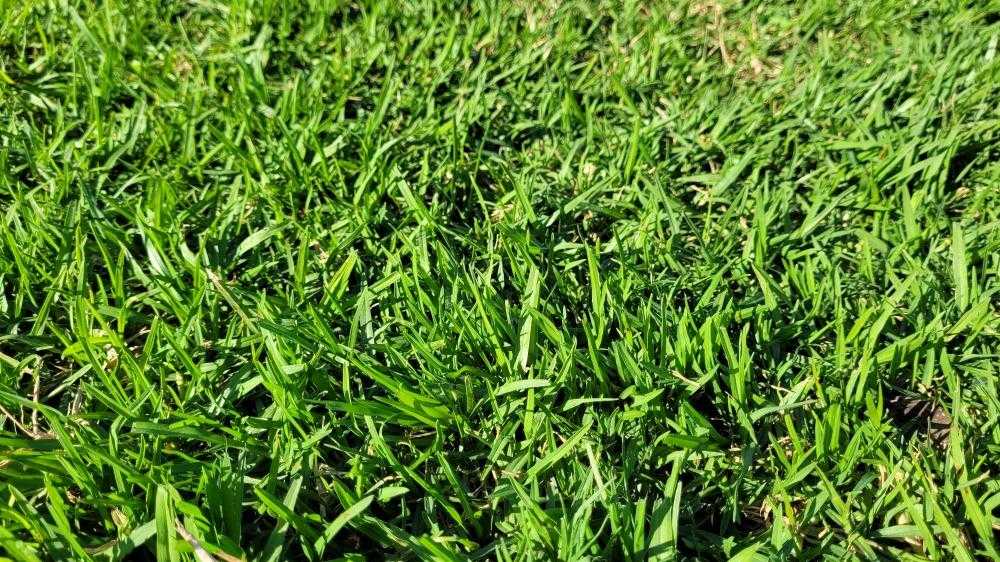
If you’re struggling with Mirage Bermuda Grass and want a quick fix, start by ensuring proper watering practices, regular mowing, and overseeding if necessary. Proper lawn management can transform your yard into a lush, healthy landscape.
Mirage Bermuda Grass is a popular choice for warm climates, thanks to its durability and vibrant appearance. To keep it thriving, you need to understand its growth habits and care requirements. The key is balancing watering, fertilizing, and mowing schedules while managing pests and weeds effectively. Whether you’re establishing a new lawn or maintaining an existing one, knowing how to care for Mirage Bermuda Grass can make all the difference in achieving a lush, green outdoor space. This grass variety offers resilience and beauty, but it demands proper attention to reach its full potential. Keep reading for practical tips to keep your Mirage Bermuda Grass looking its best all year round.

Mirage Bermuda Grass: Everything You Need to Know
Introduction to Mirage Bermuda Grass
Mirage Bermuda grass is a popular choice for lawns and sports fields because of its durability and attractive appearance. It adapts well to many climates, especially warm regions with plenty of sunlight. Its ability to withstand foot traffic makes it ideal for residential and commercial use.
What Makes Mirage Bermuda Grass Unique?
Unlike other grass varieties, Mirage Bermuda has a fine texture and a rich green color. Its blades are finer and softer, providing a lush look. It also develops a dense turf that helps prevent weeds from taking hold.
Growing Conditions for Mirage Bermuda Grass
Mirage Bermuda thrives in full sunlight and needs at least six hours of direct sun daily. It prefers well-drained soil with a pH level between 5.8 and 7.0. For optimal growth, it requires moderate watering and is quite tolerant of drought once established.
Soil Preparation for Mirage Bermuda Grass
Preparing the soil is essential for healthy growth. The soil should be loosened to about six inches deep to allow roots to penetrate easily. Adding organic matter or compost helps improve fertility and drainage.
Steps for Soil Preparation
- Test soil pH and nutrients to ensure optimal conditions.
- Remove weeds, rocks, and debris from the planting area.
- Loosen the soil with a rototiller or garden fork.
- Incorporate organic amendments such as compost or manure.
- Level the surface to create a smooth planting area.
Planting Mirage Bermuda Grass
You can plant Mirage Bermuda using sprigs, plugs, or sod. Each method has its own advantages and suitability depending on the size of the area and budget.
Planting with Sprigs or Plugs
Sprigs are small pieces of stolons or runners, while plugs are small chunks of turf. To plant these:
- Lay the sprigs or plugs in rows with about 6 inches spacing.
- Ensure they contact the soil evenly for good root development.
- Water immediately after planting to help establishment.
Planting with SOD
Sod provides an instant lawn and is easier to establish quickly. Cut into sections and lay them tightly together. Water thoroughly after laying the sod and keep it moist.
Caring for Mirage Bermuda Grass
Proper maintenance keeps Mirage Bermuda looking its best. Regular mowing, watering, fertilizing, and pest control are key practices.
Mowing Tips
Keep the grass height between 1.5 to 2.5 inches for optimal health. Regular mowing prevents thatch buildup and encourages dense growth. Never cut more than one-third of the blade height at a time to avoid stress.
Watering Guidelines
Mirage Bermuda needs about 1 to 1.5 inches of water weekly. Water deeply and infrequently to encourage deep root growth. Adjust watering during heavy rain or drought conditions.
Fertilizing Practices
Apply a nitrogen-rich fertilizer every six to eight weeks during the growing season. Use a balanced fertilizer with phosphorus and potassium to promote healthy root and blade development.
Pest and Disease Control
Common pests include grubs, armyworms, and chinch bugs. Diseases like dollar spot and brown patch may occur in overly damp conditions. Regular inspection and targeted treatments help keep the lawn healthy.
Managing Mirage Bermuda Grass in Different Seasons
Mirage Bermuda adapts well to seasonal changes but requires specific care to thrive year-round.
Spring
– Reseed or repair bare patches with sprigs or plugs.
– Apply pre-emergent herbicides to prevent weed growth.
– Fertilize to promote vigorous spring growth.
Summer
– Increase watering during hot dry spells.
– Mow frequently to maintain desired height.
– Watch for signs of pests or diseases.
Fall
– Reduce watering gradually.
– Fertilize with a slow-release formula to prepare for winter dormancy.
– Reseed damaged areas if necessary.
Winter
– In warmer climates, Mirage Bermuda remains semi-active.
– In cooler regions, allow grass to go dormant.
– Minimize foot traffic to prevent damage.
Advantages of Choosing Mirage Bermuda Grass
Mirage Bermuda offers numerous benefits for homeowners and landscapers. It’s known for its adaptability, resilience, and aesthetic appeal.
- High tolerance to drought: Saves water and reduces irrigation costs.
- Excellent wear resistance: Perfect for sports fields and busy lawns.
- Fine texture: Provides a lush, attractive appearance.
- Easy maintenance: Requires regular mowing and fertilization.
- Fast establishment: Sods and sprigs grow quickly once planted.
Potential Challenges and How to Overcome Them
While Mirage Bermuda is robust, it does have some challenges that require attention.
Thatch Buildup
Thatch can block water and nutrients from reaching roots. Regular dethatching or aeration helps minimize thatch buildup.
Overwatering
Excess moisture can lead to fungal diseases. Follow watering guidelines carefully and improve soil drainage if needed.
Pest Infestations
Inspect regularly and apply appropriate pest control measures, especially during peak pest activity seasons.
Related Topics for Further Reading
– Best fertilizers for Bermuda grass
– Tips for overseeding Bermuda lawns
– Common Bermuda grass diseases and solutions
– Watering schedules for warm-season grasses
– Lawn aeration techniques to boost Mirage Bermuda health
Mirage Bermuda grass combines beauty with practicality, making it a top choice for both lawns and recreational areas. Proper understanding of its needs and care routines ensures a vibrant, resilient turf that lasts for years. Whether you’re establishing a new lawn or maintaining an existing one, Mirage Bermuda remains a reliable and attractive option.
Best Bermuda Grass Seed
Frequently Asked Questions
What are the key benefits of using Mirage Bermuda grass in lawns?
Mirage Bermuda grass offers several advantages for lawns, including quick establishment, excellent drought tolerance, and vibrant green color throughout the growing season. It also provides a dense turf that resists weeds, reduces soil erosion, and requires less frequent watering and mowing, making it a practical choice for homeowners seeking a low-maintenance, attractive lawn.
How does Mirage Bermuda grass perform in shady areas?
While Mirage Bermuda grass thrives best in full sun, it can tolerate limited shade. However, its growth may slow down in heavily shaded spots, leading to uneven turf. For shaded areas, consider overseeding with shade-tolerant grass varieties to maintain a healthy, uniform appearance.
What are the best practices for maintaining Mirage Bermuda grass during winter?
During winter, Mirage Bermuda grass goes into dormancy, turning brown and slowing growth. To care for it, reduce mowing frequency, avoid heavy fertilization, and keep foot traffic minimal to prevent damage. Proper soil drainage and avoiding excessive watering help protect the grass from winter-related stress and promote healthy regrowth in spring.
Can Mirage Bermuda grass handle heavy foot traffic?
Yes, Mirage Bermuda grass is known for its durability and resilience to heavy foot traffic. Its dense growth habit helps it recover quickly from wear and tear, making it suitable for lawns used for sports, play, or frequent outdoor activities. Regular maintenance, like aeration and proper fertilization, further enhances its resilience.
What soil conditions are ideal for establishing Mirage Bermuda grass?
Mirage Bermuda grass performs best in well-drained soils with a pH level between 5.8 and 7.0. It prefers sandy or loamy soils that warm up quickly in spring. Preparing the soil with proper amendments and ensuring good drainage support healthy root development and overall turf vigor.
Final Thoughts
Mirage bermuda grass offers an excellent choice for those seeking a durable and low-maintenance turf. Its resilience helps it stay vibrant even under challenging weather conditions. With proper care, it can create a lush, green landscape that enhances any outdoor space. In summary, mirage bermuda grass proves to be a practical and attractive option for homeowners and landscapers alike.