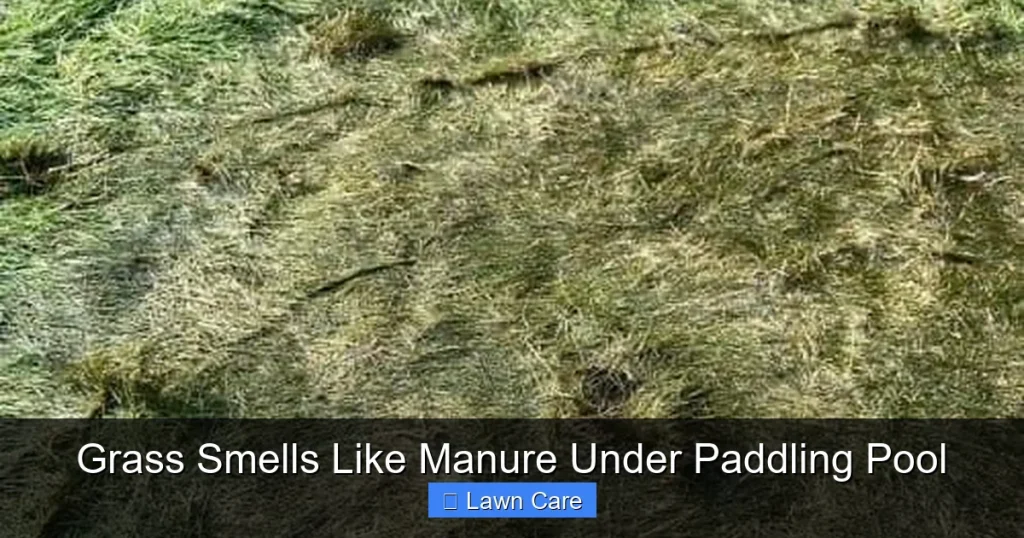
When grass under a paddling pool smells like manure, it’s usually due to compacted soil, poor drainage, or decomposing organic matter. This guide explains the causes and walks you through easy, effective steps to remove the odor, restore healthy grass, and prevent future issues.
Have you ever noticed that the grass beneath your paddling pool has a strong, unpleasant smell—almost like manure? You’re not alone. Many homeowners face this puzzling issue, especially after removing their pools or during the rainy season. While it might seem strange that grass would smell like fertilizer, there are logical, science-backed reasons for this odor. In this guide, you’ll learn exactly why grass under a paddling pool smells like manure, how to fix it, and how to prevent it from happening again. By the end, you’ll have a clear, step-by-step plan to restore your lawn and enjoy a fresh, healthy yard.
Why Does Grass Smell Like Manure Under a Paddling Pool?
The smell of manure coming from grass beneath a paddling pool is caused by a buildup of anaerobic (oxygen-deprived) bacteria. When water pools in one area for too long, especially in poorly draining soil, it creates a stagnant environment. Without proper airflow, bacteria begin to break down organic matter—like grass clippings, fallen leaves, or even roots—without oxygen. This process produces foul-smelling gases, including hydrogen sulfide and methane, which give off that distinct manure-like odor.
Another common cause is compacted soil. When a paddling pool sits in one place for months, the weight of the structure presses down on the grass and soil. Over time, the soil becomes dense and air pockets disappear. Without oxygen reaching the roots, the grass struggles to grow, and dead plant matter begins to decompose under the surface. This creates ideal conditions for odor-producing bacteria to thrive.
Additionally, if the soil under your pool lacks nutrients or has poor drainage, it becomes a breeding ground for decay. The combination of moisture, lack of oxygen, and organic buildup is a recipe for a smelly lawn.
How to Fix Grass That Smells Like Manure Under a Paddling Pool
Fixing this issue starts with removing the source of the problem: the paddling pool. Once you’ve taken the pool off, the next steps focus on restoring soil health, improving drainage, and reviving the grass.
Step 1: Remove the Paddling Pool
The first and most important step is to remove the paddling pool from the area. Leaving the pool in place will continue to trap moisture and prevent proper air circulation. Carefully drain the water, then lift the pool off the grass. Be gentle to avoid tearing the turf. If the pool is heavy, consider using a dolly or asking for help.
After removal, inspect the area. Look for patches of dead or discolored grass. These areas may need special attention during recovery.
Step 2: Aerate the Soil
Once the pool is removed, aerating the soil is essential. Compacted soil prevents roots from getting the oxygen they need. Use a core aerator to remove small plugs of soil from the ground. This creates space for air, water, and nutrients to reach the grass roots.
Aerating is best done during the growing season, typically in spring or early fall. If you don’t have a core aerator, you can rent one from a local hardware store. Aim to aerate the entire area where the pool sat, especially around the edges where roots may have died.
Step 3: Remove Decomposing Material
After aeration, inspect the soil beneath the grass. If you notice soft, spongy patches or visible decay, carefully lift the turf and remove any dead roots, leaves, or organic debris. These materials trap moisture and continue to break down, producing odor.
Be sure to dispose of the debris properly. Do not compost it, as the smell may spread.
Step 4: Improve Drainage
Poor drainage is often the root cause of the manure-like smell. Water should flow away from the area, not pool underneath. To fix this, consider installing a French drain or adjusting the yard’s slope.
A French drain consists of a trench filled with gravel and a perforated pipe that redirects water away from the lawn. Alternatively, you can use a shovel and rake to gently reshape the ground so water naturally flows downhill.
Avoid low spots where water tends to collect. If your yard has a natural depression, level it slightly or add soil to raise the area.
Step 5: Add Compost or Topsoil
Healthy soil supports healthy grass. After removing the pool and aerating, enrich the soil with a 1- to 2-inch layer of compost or high-quality topsoil. This adds beneficial microbes, improves texture, and helps the grass recover faster.
Spread the compost evenly over the area and use a rake to work it into the top layer of soil. This step not only reduces odor but also promotes strong root growth.
Step 6: Reseed or Sod the Area
If large patches of grass died under the pool, you’ll need to reseed or lay sod. Choose a grass type suited to your climate and sunlight conditions. For example, Bermuda grass thrives in warm, sunny areas, while St. Augustine grass prefers shade and humidity.
For reseeding, spread grass seed evenly and cover it lightly with soil. Keep the area moist by watering daily until the new grass establishes. For quicker results, sod is a great option—it provides instant coverage and reduces erosion.
Step 7: Water Properly
After reseeding or laying sod, water the area consistently but not excessively. Too much water can lead to pooling again, while too little prevents germination. Aim to keep the soil moist but not soggy.
Use a sprinkler system or soaker hose for even coverage. Avoid overhead sprinklers, which can wash away young seedlings.
Practical Tips to Prevent Future Odors
Prevention is always easier than repair. Follow these tips to keep your lawn healthy and odor-free after removing a paddling pool.
– Rotate Pool Placement: If you plan to use a portable pool again, consider moving it to a different part of the yard each season. This prevents long-term soil compaction and root damage.
– Use a Ground Cover: Place a breathable ground cover or tarp under the pool when not in use. Avoid plastic sheets, which trap moisture and worsen odor.
– Maintain Lawn Health: Regular mowing, fertilizing, and watering help grass resist decay and recover quickly from disturbances.
– Test Soil pH: Some grass types prefer specific soil pH levels. For example, Bahia grass likes slightly acidic soil. Adjusting pH improves nutrient availability and reduces odor risks.
– Avoid Overwatering: Even when the pool is gone, overwatering can recreate the conditions that lead to manure-like smells. Water only when the top inch of soil is dry.
Troubleshooting Common Issues
Sometimes, even after removing the pool and following the steps above, the smell lingers. Here’s how to troubleshoot:
– The smell returns after rain: This usually means drainage is still poor. Consider installing a French drain or raising the soil level.
– Grass won’t grow back: This could indicate severe root damage or compacted soil. Try aerating again and adding fresh topsoil. If the problem persists, consult a lawn care professional.
– Fungus appears: A musty smell combined with fuzzy growth may signal fungal infection. Treat with a fungicide and improve airflow around the area.
Conclusion
Grass under a paddling pool smelling like manure may seem alarming, but it’s a solvable problem. The key is understanding that the odor comes from poor drainage, compacted soil, and decaying organic matter. By removing the pool, aerating the soil, improving drainage, and reseeding with healthy grass, you can restore your lawn and prevent future issues.
With consistent care, your grass will grow back strong and odor-free. Remember, a healthy lawn resists disease, pests, and unpleasant smells. Whether you’re reseeding with Bermuda grass or choosing a shade-tolerant variety, the right approach makes all the difference. Take action today, and enjoy a fresh, green yard that smells like nature—not manure.
Key Takeaways
- Grass under a paddling pool often smells like manure due to trapped moisture, compacted soil, or decaying organic material. This odor results from anaerobic conditions that prevent proper air circulation and root health.
- Removing the pool and aerating the soil is the most effective way to eliminate the smell and revive the lawn. Aeration helps restore oxygen flow and breaks up compacted soil beneath the surface.
- Proper drainage is essential to prevent future odor issues. Installing a French drain or adjusting the yard slope can redirect water away from the pool area.
- Adding organic matter like compost improves soil structure and reduces foul odors. Healthy soil supports strong grass roots and discourages anaerobic bacteria.
- Re-seeding with drought-resistant grass types helps the lawn recover faster after pool removal. Choosing the right grass seed ensures long-term resilience.
- Regular maintenance, including mowing and drenching with water, prevents future buildup of stagnant conditions. A well-maintained lawn resists odor-causing bacteria.