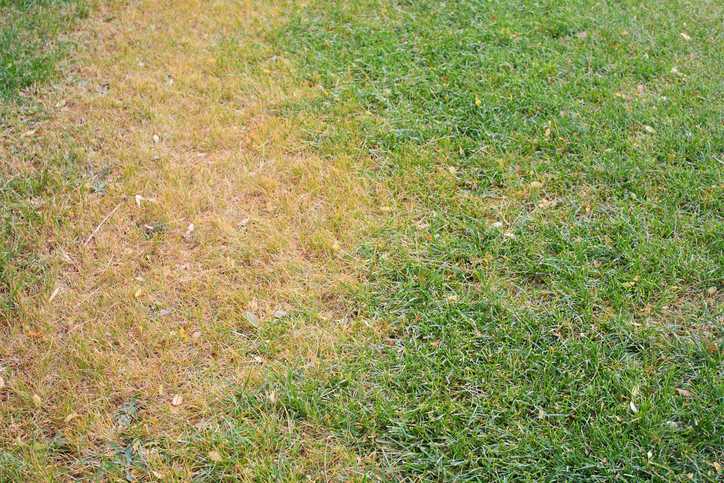
If you’re dealing with yellow grass, the first step to remedy the problem is to assess the underlying cause, whether it’s lack of nutrients, improper watering, or diseases. Start by testing your soil to check for nutrient deficiencies, ensuring your lawn receives adequate water without overwatering. Adjusting your mowing height can also help, as cutting the grass too short can stress it out and lead to discoloration. With these quick fixes in mind, let’s dive deeper into the reasons behind yellow grass and explore comprehensive solutions to revive your lawn.
Yellow grass can be quite frustrating, especially when you’ve put in the effort to maintain a lush, green lawn. Various factors contribute to this issue, from environmental stressors to improper care techniques. Understanding the root cause is crucial for effective treatment. In this article, we’ll explore common reasons for yellowing grass, such as nutrient deficiencies, inadequate watering, lawn diseases, and pest infestations. By identifying the problem and implementing targeted solutions, you can restore your grass to its vibrant green state and enjoy a healthy, thriving yard once again. Let’s get started on bringing your lawn back to life!

How to Fix Yellow Grass
Yellow grass is a common issue that many homeowners face. This vibrant green carpet can turn into an unsightly shade of yellow for various reasons. Fixing yellow grass is not only about restoring its color but also about ensuring the overall health of your lawn. In this guide, we will explore the various causes of yellow grass and the steps to restore it to its lush, green state.
Understanding the Causes of Yellow Grass
To fix yellow grass effectively, it is crucial to understand what causes it in the first place. Several factors can contribute to the yellowing of grass. Let’s explore some of the most common reasons:
1. Nutrient Deficiency
Grass needs essential nutrients to stay healthy. If it doesn’t get enough nitrogen, phosphorus, or potassium, it may start to turn yellow. Lawn fertilizers can help replenish these nutrients.
2. Overwatering or Underwatering
Watering is vital for grass health. Too much water can lead to root rot, while too little can dry out the grass. Both conditions can cause yellowing.
3. Soil Compaction
Compacted soil makes it hard for grass roots to grow and absorb nutrients. When the ground is too hard, yellow patches may appear.
4. Pest Infestation
Certain pests like grubs or chinch bugs can damage grass roots, leading to yellow patches. Monitoring for pests and treating infestations can prevent further damage.
5. Lawn Disease
Fungal diseases can also cause yellowing. Conditions like brown patch or dollar spot can quickly turn your lawn into a patchy mess.
Diagnosing the Problem
Identifying the specific reason for yellow grass is the first step toward fixing it. Here are some diagnostic methods:
- Check the Soil: Use a soil test kit to determine nutrient levels.
- Inspect Watering Habits: Evaluate whether you are overwatering or underwatering.
- Look for Pests: Check the soil and grass for evidence of pests.
- Assess Soil Compaction: Walk on your lawn to see if it feels hard.
- Examine for Spots: Look for patches, which might indicate diseases.
Fixing Yellow Grass: Step-by-Step Solutions
Once you have diagnosed the issue, it’s time to take action. Here are some effective methods for fixing yellow grass:
1. Fertilizing Your Lawn
If nutrient deficiency is the culprit, fertilizing your lawn can help immensely. Here’s how:
- Choose a fertilizer: Select one that contains nitrogen, phosphorus, and potassium.
- Apply it evenly: Use a broadcast spreader for uniform distribution.
- Follow instructions: Always adhere to the recommended application rates.
2. Adjusting Your Watering Schedule
Proper watering habits are essential for grass health. Consider these tips:
- Water early in the morning: This helps prevent evaporation.
- Water deeply, but less frequently: About 1 to 1.5 inches per week is ideal.
- Check soil moisture: Stick your finger in the ground; if it’s dry down to your first knuckle, it’s time to water.
3. Aerating the Soil
Aeration helps relieve soil compaction. Here’s how to aerate your lawn:
- Choose the right time: Aerate during the growing season.
- Use an aerator: Rent a lawn aerator or use a manual tool.
- Follow a pattern: Aerate in a grid pattern to cover all areas.
4. Managing Pest Problems
If pests are the issue, controlling them is vital. Follow these steps:
- Identify the pest: Know what type of pest is affecting your lawn.
- Use appropriate treatments: Apply insecticides or natural remedies.
- Monitor regularly: Keep an eye on grass health to catch any infestations early.
5. Treating Lawn Diseases
If lawn diseases are causing yellow grass, prompt treatment is essential:
- Identify the disease: Look for symptoms specific to fungal infections.
- Apply fungicide: Use a product designed to combat the specific disease.
- Improve drainage: Ensure proper lawn drainage to prevent future issues.
Preventing Future Yellow Grass
Once you’ve fixed your yellow grass, it’s important to maintain its health. Here are some prevention strategies:
1. Regular Lawn Maintenance
Keeping up with routine lawn care can prevent yellow grass. This includes:
- Regular mowing: Keep grass at an appropriate height.
- Weed control: Prevent weeds from competing for nutrients.
- Seasonal fertilization: Replenish nutrients as needed throughout the year.
2. Proper Watering Techniques
Watering plays a significant role in lawn health. Aim to:
- Water deeply: Encourage strong root growth by watering less often but deeper.
- Avoid evening watering: Watering late can promote fungal growth.
- Adjust based on weather: Modify your watering schedule according to rainfall.
3. Soil Testing
Conduct soil tests regularly to keep track of nutrient levels. Here’s how to do it:
- Use a soil test kit: Follow instructions for collecting samples.
- Analyze results: Understand what your lawn needs.
- Adjust your care routine: Use the results to guide fertilizer and soil amendments.
4. Pest Monitoring
Keep an eye on pest activity throughout the growing season:
- Inspect regularly: Check both grass and soil for pests.
- Use barriers: Introduce natural predators where possible.
- Manage yard waste: Keep the area tidy to prevent pest habitats.
5. Educating Yourself
The more you know about lawn care, the better you can prevent yellow grass:
- Read gardening books: Educate yourself on different grass types and their needs.
- Join local gardening clubs: Connect with others to share tips and resources.
- Attend workshops: Learn about best practices for lawn care in your area.
Maintaining a lush green lawn is not just about aesthetics; it’s also about creating a healthy environment for your home. With the right knowledge and practices, you can effectively fix yellow grass and keep it looking vibrant year-round. By identifying the causes and following the suggested solutions, you will have a lawn that you can be proud of.
Remember, each lawn is unique, and it may take some trial and error to find the best methods for your specific situation. Stay consistent, be observant, and soon enough, your grass will thrive with its beautiful green hue once again.
Why your LAWN is YELLOW & DYING – EASY FIX that works FAST!
Frequently Asked Questions
“`html
What are the common causes of yellow grass?
Yellow grass usually indicates issues related to nutrient deficiencies, inadequate watering, or pest infestations. Other factors such as soil compaction, improper mowing practices, and harsh weather conditions can contribute to the problem. Identifying the underlying cause is crucial for effective treatment.
How can I improve soil quality to prevent yellow grass?
Improving soil quality involves testing the soil to identify nutrient levels and pH balance. You can amend the soil by adding organic matter like compost, which enhances nutrient content and promotes healthy root growth. Aerating the soil can also relieve compaction and improve water drainage.
What role does watering play in maintaining green grass?
Proper watering is essential for the health of your grass. Grass typically requires about 1 to 1.5 inches of water per week, depending on the weather and grass type. Water deeply and infrequently, allowing the topsoil to dry out between watering sessions. This encourages deeper root growth and helps keep grass green.
How can I address pest issues that cause yellow grass?
If pests are the problem, identify the specific insects affecting your grass. Apply appropriate treatments, such as insecticidal soap or neem oil, to target the pests. Additionally, promoting beneficial insects, like ladybugs, can help control harmful pest populations naturally.
What mowing practices can prevent yellowing of grass?
To prevent yellow grass, mow at the correct height for your grass type, generally leaving it between 2.5 to 4 inches tall. Avoid cutting more than one-third of the grass height at a time. Regularly sharpen your mower blades to ensure clean cuts, which helps maintain grass health.
When should I fertilize to keep my grass healthy and green?
Fertilizing your grass at the right time is essential for maintaining its vibrant color. Apply a slow-release fertilizer in early spring and again in fall, as these are optimal growth periods. Consider using a soil test to determine specific nutrient needs for your lawn.
“`
Final Thoughts
To fix yellow grass, start by identifying the underlying issue, whether it’s lack of nutrients, pests, or insufficient water. Regularly fertilizing and watering your lawn can make a significant difference.
Mowing at the right height and ensuring proper aeration can promote healthy growth.
Finally, reseeding bare patches will help restore your lawn’s lush appearance. Implement these steps consistently to successfully fix yellow grass and enjoy a vibrant yard.