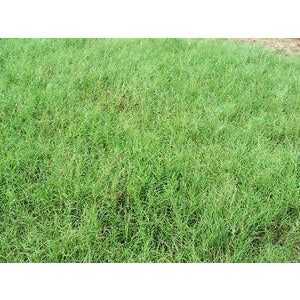
If you’re aiming for a lush, durable lawn that withstands high traffic and footfall, giant Bermuda grass seed is your best bet. It offers a resilient, fast-growing option perfect for creating a thick, green carpet in warm climates. For best results, choose high-quality seeds, prepare your soil well, and ensure proper watering and maintenance.
Giant Bermuda grass seed is an excellent choice for those seeking a tough, attractive lawn in warmer regions. It grows quickly, establishes itself densely, and is suitable for sports fields, lawns, and commercial landscapes. With proper care and planting techniques, you can achieve a vibrant, healthy yard that stands out and lasts for years.
Starting a lawn with giant Bermuda grass seed is like planting a foundation for beauty and resilience. This grass type is renowned for its vigorous growth, drought tolerance, and ability to recover from heavy use. Whether you’re renovating an existing yard or starting fresh, understanding how to effectively plant and care for this seed will help you achieve a picture-perfect lawn. Its rapid growth and durability make it a favorite among homeowners and landscapers alike, especially in hot climates where other grasses struggle. Proper soil preparation, timely planting, and consistent watering are key steps in ensuring your giant Bermuda grass flourishes. Once established, it requires minimal maintenance while providing a striking green backdrop to any outdoor space.

Giant Bermuda Grass Seed: Your Complete Guide to Growing Healthy, Thick Turf
Understanding What Giant Bermuda Grass Seed Is
Giant Bermuda grass seed is a popular option for those wanting a lush, green lawn. This seed produces a type of grass known for its fast growth and durability. It’s ideal for warm climates and heavy foot traffic areas. The seed is larger than typical Bermuda grass seeds, making it easier to spot and handle during planting.
Benefits of Using Giant Bermuda Grass Seed
- Fast Germination: The large seed size allows for quicker sprouting, often within a week or two.
- Thick and Dense Turf: Promotes a lush, carpet-like lawn that can withstand high use.
- Heat Tolerance: Performs well in hot, sunny environments without browning.
- Drought Resistance: Needs less water once established, making it eco-friendly.
- Disease Resistance: Resists common grass diseases, reducing maintenance efforts.
Choosing the Right Giant Bermuda Grass Seed
Picking quality seed is critical for a successful lawn. When selecting seed, look for high germination rates and disease-free options. Consider the seed’s source, ensuring it comes from a trusted supplier. Check for certifications that guarantee seed purity and quality.
Factors to Consider When Buying
- Seed Purity: Higher purity means fewer weeds and mixed grasses.
- Germination Rate: Choose seeds with at least an 80% germination rate for better results.
- Seed Size: Larger seeds tend to establish faster and are more visible during planting.
- Climate Compatibility: Ensure the seed is suited for your local temperature and moisture conditions.
Preparing Your Soil for Giant Bermuda Grass Seed
Proper soil preparation ensures your seed’s success and healthy growth. Start by testing your soil’s pH level; Bermuda grass prefers a pH between 5.8 and 7.0. Amend soil as needed to reach this range, adding lime or sulfur.
Steps to Prepare Soil
- Clear the area of rocks, weeds, and debris.
- Loosen the soil using a tiller or rake to a depth of about 4 to 6 inches.
- Level the surface to create an even planting bed.
- Incorporate organic matter or compost for improved fertility and moisture retention.
Planting Giant Bermuda Grass Seed
Timing is important for planting Bermuda grass seed. The best time is late spring or early summer when temperatures are consistently warm. Spread the seed evenly over the prepared soil using a seed spreader or by hand.
Best Seeding Practices
- Use about 1 to 2 pounds of seed per 1000 square feet for optimal coverage.
- Lightly rake the seed into the soil to ensure good contact.
- Water the area gently but thoroughly after seeding.
- Maintain consistent moisture during the germination period.
Watering and Maintenance for Young Grass
After planting, regular watering is essential to keep the soil moist. Water lightly but frequently in the first few weeks to promote germination. Once established, reduce watering frequency but increase depth to encourage deep roots.
Maintenance Tips
- Watering: Aim for about 1 inch of water weekly.
- Mowing: Begin mowing when grass reaches about 2 to 3 inches in height. Keep mower blades sharp.
- Fertilizing: Use a balanced fertilizer designed for warm-season grasses. Apply every six to eight weeks during the growing season.
- Weed Control: Hand-pull weeds or use selective herbicides to protect your Bermuda grass.
Common Challenges and How to Overcome Them
Growing giant Bermuda grass from seed can sometimes present issues. Pests, weeds, and improper watering can hinder growth. Regular lawn inspections help identify problems early and allow for quick solutions.
Dealing with Pests and Diseases
Monitor your lawn for signs of pests such as armyworms or grubs. Use appropriate organic or chemical controls if necessary. Maintain good airflow and proper watering to prevent fungal diseases.
Addressing Bare Patches
Repair bare spots by overseeding with more seed, especially in high-traffic areas. Ensure proper soil preparation and consistent watering for uniform growth.
Additional Tips for a Perfect Bermuda Grass Lawn
For best results, follow these additional tips:
- Start with quality seed and proper soil prep.
- Consistently water and maintain mowing schedules.
- Control weeds and pests proactively.
- Apply fertilizers at the right time and in recommended amounts.
Related Topics
Comparing Bermuda Grass Varieties
Different Bermuda grass types like Tifway, Cayman, and Celebration have unique features. Choose a variety suited for your climate and lawn needs.
Lawn Care Equipment for Bermuda Grass
Using the right mower, aerator, and watering tools can improve lawn health and appearance.
Seasonal Lawn Care Tips
Adjust your maintenance routine throughout the year to protect your grass during winter and maximize growth in summer.
Final Thoughts on Growing Giant Bermuda Grass Seed
Establishing a lush Bermuda grass lawn from seed requires patience, proper planning, and consistent care. Choosing quality seed, preparing your soil well, and maintaining proper watering and fertilizing schedules will result in a vibrant, durable turf. With dedication, your yard can become a beautiful, green space perfect for outdoor activities and relaxation.
Why Bermuda Grass doesn't like to Grow from Seeds
Frequently Asked Questions
What is the best method for preparing soil before planting giant Bermuda grass seed?
To prepare your soil effectively, start by removing debris and weeds. Loosen the soil using a rake or tiller to improve aeration and drainage. Ideally, work in organic compost or fertilizer to enhance nutrient content. Ensure the soil pH is between 5.8 and 7.0 for optimal growth. Level the area to promote even seed distribution and establish a solid foundation for healthy grass development.
How should I water my giant Bermuda grass after planting the seeds?
Water the seeded area consistently to keep the soil moist but not waterlogged. Initially, keep the surface moist for the first two weeks until the seeds germinate. After germination, reduce frequency but ensure deep watering to encourage strong root growth. Typically, watering once or twice daily in hot weather works well, but always adjust based on rainfall and soil moisture levels for best results.
What are common issues to watch for when growing giant Bermuda grass from seed?
Observe for pests like chinch bugs and diseases such as brown patch, which can affect young and mature grass alike. Overwatering or poor drainage can lead to fungal problems, so maintain proper watering habits. Additionally, weed competition can hinder growth; manage weeds early using appropriate controls. Regular mowing and proper fertilization also promote healthy, dense turf development.
Final Thoughts
Giant bermuda grass seed offers a fantastic solution for creating lush, durable lawns. Its rapid germination and dense growth make it ideal for both residential and commercial spaces. Choosing quality seeds ensures healthy development and long-lasting greenery.
In summary, opting for giant bermuda grass seed guarantees a vibrant and resilient lawn, satisfying the needs of any landscape project.