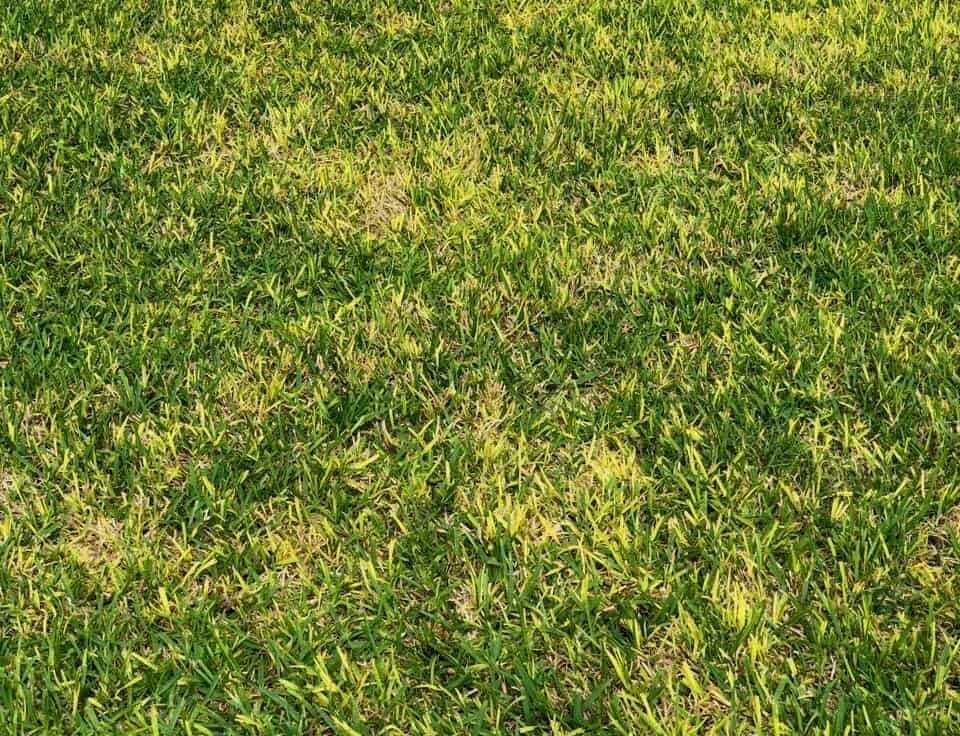
To quickly fix Bermuda grass yellow spots, identify whether the problem is due to overwatering, nutrient deficiency, or pests, and address it accordingly with proper watering, fertilization, or pest control. Maintaining a healthy lawn through balanced practices is key to restoring its vibrant green color.
Yellow spots in Bermuda grass can be frustrating, but with the right approach, you can restore your lawn’s lushness. These yellow patches often appear due to various issues—overwatering, nutritional deficiencies, pests, or disease. Spotting the problem early and applying targeted solutions can make a big difference. Healthy Bermuda grass thrives when it receives adequate sunlight, water, and nutrients, so understanding what’s causing the discoloration helps you fix the issue faster. Whether it’s adjusting your watering schedule, fertilizing with the right nutrients, or treating pests, taking prompt action is vital to regaining that beautiful, uniform green. Keep reading to learn effective ways to troubleshoot and fix those pesky yellow spots!

Bermuda Grass Yellow Spots: Causes, Treatments, and Prevention
Understanding Bermuda Grass and Its Common Issues
Bermuda grass is a popular warm-season grass known for its thick, lush appearance and resilience. It’s often used in lawns, sports fields, and golf courses because it can withstand heavy foot traffic. However, despite its durability, Bermuda grass can develop problems like yellow spots, which can affect its overall health and appearance.
Yellow spots are patches of grass that turn from healthy green to a pale or yellowish color. These spots not only look unsightly but can also signal underlying issues. Identifying the causes of yellow spots early helps in taking proper action to restore your lawn’s health.
Common Causes of Yellow Spots in Bermuda Grass
Understanding the reasons behind yellow spots is key to effective treatment. Several factors can cause Bermuda grass to develop yellow patches, including:
Watering Issues
Overwatering or underwatering can lead to yellow patches. Too much water causes roots to rot, while too little prevents the grass from getting enough nutrients. Both scenarios stress the grass, making it turn yellow. Proper watering practices are crucial.
Fungal Diseases
Fungal infections like Brown Patch or Dollar Spot often show up as yellow or brown patches. These fungi thrive in warm, humid conditions. If left untreated, they can spread quickly across your lawn.
Pest Infestations
Insects such as grubs or chinch bugs feed on Bermuda grass roots or blades. Their activity damages the grass, causing yellowing and thinning patches. Regular pest checks help catch infestations early.
Nutrient Deficiencies
Lack of essential nutrients like nitrogen, potassium, or iron leads to yellowing. Nitrogen deficiency, in particular, causes the grass to turn pale because it is vital for vibrant green color.
Soil Problems
Poor soil drainage, compaction, or imbalanced pH levels hinder nutrient absorption. These issues can cause stress and yellowing in Bermuda grass patches.
Identifying the Symptoms of Yellow Spots
Not all yellowing is the same; recognizing specific symptoms guides the right treatment. Symptoms include:
- Uniform yellow patches: indicating possible nutrient deficiency or watering issues.
- Irregular, patchy yellow spots: suggest fungal infections or pest damage.
- Yellowing with a fuzzy or cottony appearance: common signs of fungal disease.
- Yellow patches with visible pests or holes: point toward pest infestations.
Accurate identification allows targeted treatment to prevent further damage.
How to Diagnose the Cause of Yellow Spots
Before treating yellow patches, it’s important to diagnose the root cause. Here are steps to help identify the problem:
- Inspect the affected areas closely for signs of pests, fungi, or damaged roots.
- Check soil moisture by digging small holes to assess water drainage and retention.
3>Test soil pH and nutrient levels using a home testing kit or lab services.
4>Observe weather conditions: prolonged rain or drought can influence grass health.
5>Review watering routines to ensure they’re appropriate for Bermuda grass needs.
Accurate diagnosis ensures the treatment addresses the specific issue.
Effective Treatments for Bermuda Grass Yellow Spots
Once the cause is identified, appropriate treatments can be applied to help your lawn recover. Below are options for common problems:
Treating Watering Issues
Adjust watering schedules to provide deep, infrequent watering. Early morning watering helps prevent fungal growth. Use a rain gauge to avoid overwatering.
Fungal Disease Management
Apply a fungicide labeled for lawns with fungal infections. Remove and dispose of any infected grass to prevent spread. Improve airflow and reduce excess moisture.
Pest Control Techniques
Use targeted insecticides for grubs or chinch bugs. Regularly inspect turf and treat at the first sign of pests. Natural remedies like beneficial nematodes can also help.
Nutrient Supplementation
Apply a balanced fertilizer with appropriate nitrogen, potassium, and iron. Follow dosage instructions carefully. Regular soil testing helps maintain proper nutrient levels.
Soil Improvement Strategies
Aerate compacted soil to improve drainage and root growth. Amend soil with organic matter to boost fertility. Adjust pH levels if necessary to optimize nutrient uptake.
Prevention Tips for Avoiding Yellow Spots
Prevention is the best way to maintain a healthy Bermuda grass lawn. Some tips include:
- Establish a consistent watering schedule suited to Bermuda grass needs.
- Test and amend soil regularly to maintain optimal pH and nutrient levels.
- Implement a balanced fertilization plan throughout the growing season.
- Practice proper mowing: keep the grass at recommended heights for Bermuda grass.
- Ensure good air circulation by trimming overgrown areas and thinning dense patches.
- Manage pests early using integrated pest management techniques.
- Monitor for fungal issues during hot, humid weather and act quickly.
By adopting these practices, you reduce the risk of yellow patches and promote a resilient, vibrant lawn.
Additional Tips: Caring for Bermuda Grass in Different Seasons
Bermuda grass requires different care depending on the season. In the warmer months, focus on proper watering, fertilization, and pest control. During cooler seasons, reduce watering and avoid heavy fertilization to prevent stress.
Winter Care
In colder areas, Bermuda grass may go dormant. Keep the soil minimally moist and avoid heavy fertilization. Aerate and overseed if necessary to prepare for spring recovery.
Summer Vigilance
Hot temperatures increase the risk of drought stress and fungal disease. Water early in the morning and apply fungicides preventively if the weather is humid.
Related Topics for Healthy Bermuda Grass
Caring for Bermuda grass involves more than just fixing yellow spots. Explore topics such as:
- Proper mowing techniques: how height and frequency affect grass health.
- Choosing the right fertilizer: tailored to Bermuda grass for vibrant green color.
- Seeding and overseeding tips: for thick, uniform lawns.
- Soil aeration methods: benefits for root growth and nutrient absorption.
- Water management: creating efficient irrigation systems.
These practices complement treatments and naturally enhance your lawn’s health.
Maintaining a beautiful Bermuda grass lawn free of yellow spots requires understanding the underlying causes and applying targeted treatments. Proper watering, fertilization, pest control, and soil management play vital roles in preventing and reversing yellowing patches. Regular lawn maintenance combined with vigilant observation ensures your grass stays lush, green, and healthy throughout the seasons.
Brown Spots and Patches in Bermudagrass
Frequently Asked Questions
What are the common causes of yellow spots on Bermuda grass?
Yellow spots on Bermuda grass often result from overwatering, which leads to root rot and nutrient deficiencies. Pest infestations like chinch bugs or grubs can also damage the grass, causing yellow patches. Additionally, poor soil drainage, compacted soil, and fungal infections can contribute to the appearance of yellow spots, indicating underlying health issues within the lawn.
How can I differentiate between pest damage and fungal infections in Bermuda grass?
To distinguish between pest damage and fungal infections, examine the affected areas closely. Pests like chinch bugs may leave behind small brown patches with visible insects or their frass. Fungal infections often produce moldy or fuzzy patches, sometimes with a distinct smell. Conducting a soil or grass sample test can help identify the specific problem, allowing for targeted treatment.
What are effective methods to improve yellow spots caused by nutrient deficiencies?
Address nutrient deficiencies by fertilizing your Bermuda grass appropriately. Use a balanced fertilizer with nitrogen to promote healthy green growth. Regularly test your soil to identify specific nutrient gaps and amend the soil accordingly. Ensuring proper watering practices also helps nutrients reach the roots effectively, reducing yellow patches and encouraging uniform lawn coloration.
Can improper mowing practices lead to yellow spots on Bermuda grass?
Yes, mowing incorrectly can cause stress to Bermuda grass, leading to yellow patches. Cutting the grass too short exposes the roots to stress and can weaken the plant, making it susceptible to pests and diseases. Maintaining the correct mowing height and using sharp blades promotes healthy growth and prevents yellow spots caused by mowing issues.
What preventive steps can I take to avoid yellow spots on my Bermuda grass in the future?
Prevent yellow spots by ensuring proper watering, avoiding overwatering or underwatering. Aerate the soil regularly to improve drainage and reduce compaction. Apply fertilizers based on soil test recommendations and maintain a balanced nutrient supply. Keep an eye out for pests and treat infestations promptly. Additionally, mow at the recommended height and remove thatch buildup to keep the grass healthy and resilient against issues that cause yellowing.
Final Thoughts
Bermuda grass yellow spots can signal various issues, from nutrient deficiencies to pests. Proper diagnosis helps in selecting the right treatment. Regular lawn maintenance minimizes stress on the grass and prevents yellowing.
Addressing these problems promptly keeps your lawn healthy and vibrant. Remember, understanding the cause of Bermuda grass yellow spots helps maintain a lush, green yard.