Those tiny flies buzzing around your mint plant are almost certainly fungus gnats, not fruit flies. They're drawn to moist potting soil where their larvae feed on organic matter and tender roots. It's a common headache for indoor herb growers, especially in winter when soil stays wet longer.
Fungus gnats complete their lifecycle in about three to four weeks, so a small nuisance can become a full-blown infestation fast. The good news is that once you understand what's attracting them, breaking the cycle is straightforward and doesn't require harsh chemicals, which matters when you're growing something you'll actually eat.
Quick Answer
Flies on mint plants are usually fungus gnats. They breed in consistently wet potting soil. Let the top inch of soil dry out between waterings to disrupt their lifecycle.
Yellow sticky traps catch adults. A hydrogen peroxide soil drench kills larvae. These steps resolve most infestations within two weeks.
How to Tell What Kind of Fly You're Dealing With
Not all small flying insects are the same, and the right fix depends on correct identification. Here's how to tell them apart.
Fungus gnats are the most common culprit. They're dark gray or black, about 1/8 inch long, with long legs and antennae. You'll see them crawling on the soil surface or making weak, short flights when you disturb the plant.
They don't bite. Their larvae live in the top inch of soil and are translucent with black heads.
Whiteflies are tiny, white, and moth-like. They cluster on the undersides of leaves and scatter in a cloud when you brush the plant. Mint can host them, though they prefer softer-leafed plants.
Aphids are sometimes mistaken for flies, especially the winged forms. They're pear-shaped, slow-moving, and found on stems and leaf undersides rather than hovering around soil.
Here's a quick comparison to help you narrow it down:
| Pest | Where You'll See Them | Size | Color | Key Clue |
|---|---|---|---|---|
| Fungus gnats | Soil surface, weak fliers | 1/8 inch | Dark gray/black | Larvae in topsoil |
| Whiteflies | Undersides of leaves | 1/16 inch | White | Cloud when disturbed |
| Aphids | Stems and leaf joints | 1/16–1/8 inch | Green, black, or brown | Sticky residue on leaves |
If the insects are hanging around the soil and your mint is indoors, you're almost certainly looking at fungus gnats. That diagnosis shapes every step that follows.
Why Mint Attracts These Pests, And What You Can Control
Mint is a thirsty plant. It loves consistent moisture, and most growers water it on a generous schedule. That's exactly what fungus gnats need.
Their eggs hatch in damp organic soil, and the larvae feed on decaying matter and root hairs in the top few inches.
Overwatering is the number one driver. But it's not the only one. Peat-heavy potting mixes retain more moisture than mint actually needs.
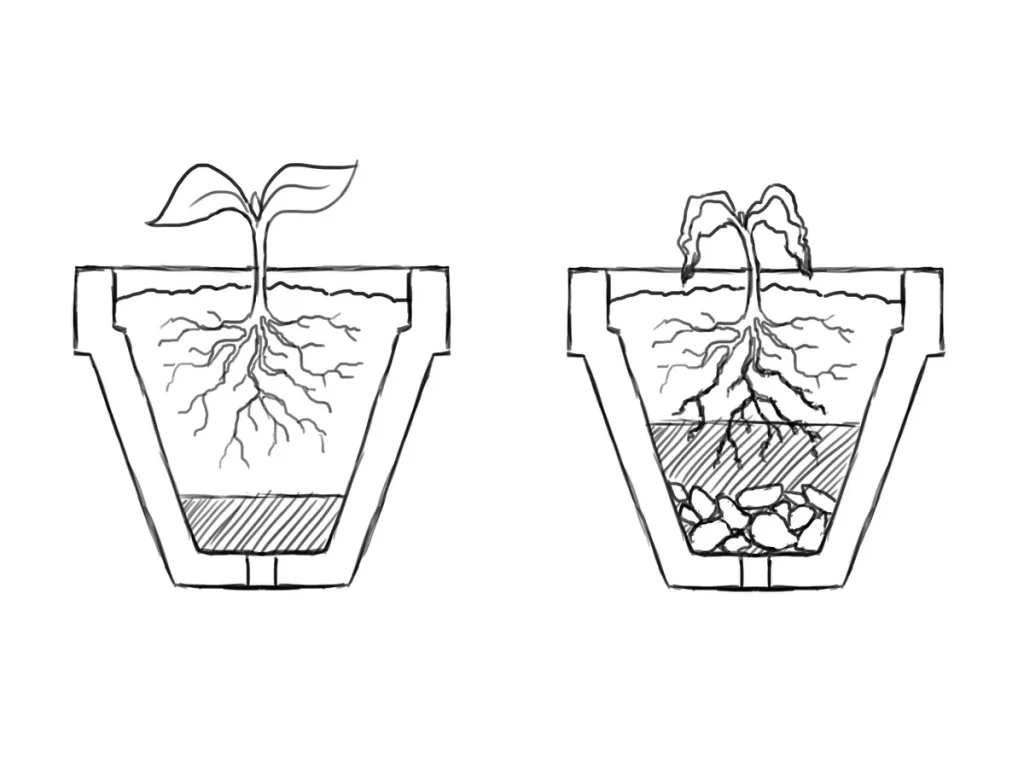
Pots without drainage holes trap water at the bottom. Mulch or dead leaf litter on the soil surface gives larvae extra food. Poor air circulation around the plant keeps the surface from drying.
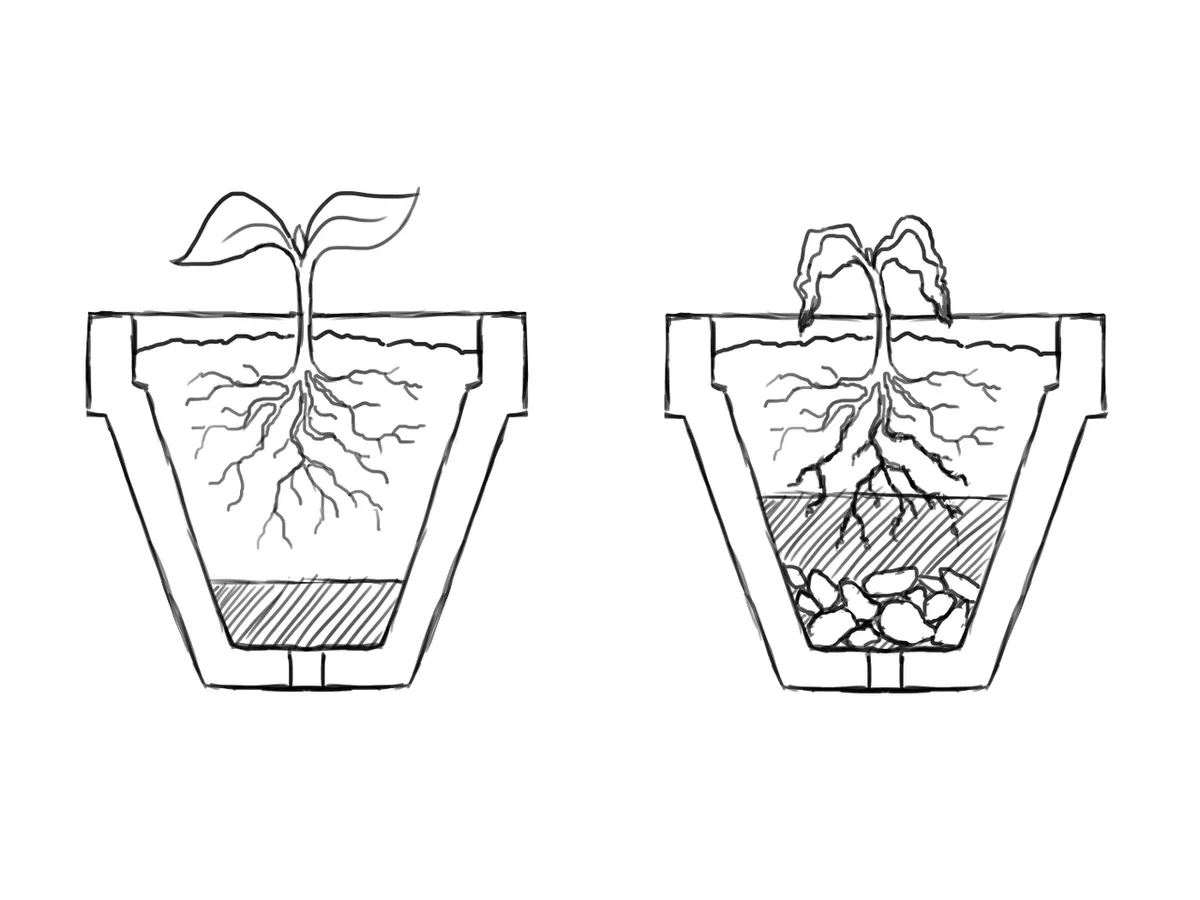
Image source: Wikimedia Commons / Garlan Miles (CC BY-SA)
The good news is that every one of these factors is within your control. Mint is tough. It can handle the top layer of soil drying out between waterings, which is precisely what disrupts the gnat lifecycle.
Unlike some herbs that wilt at the first sign of drought, mint bounces back quickly.
If you're growing mint outdoors in a garden bed, drainage and spacing matter more than watering frequency. Raised beds with well-amended soil rarely have gnat problems. Container growers face the highest risk because pots concentrate moisture and organic matter in a small volume.
Step-by-Step: How to Get Rid of Flies on Mint Safely
Here's the workflow that works for most home growers. Start at the top and move down only if the problem persists.
Step 1: Let the Soil Dry Out
This is the single most effective thing you can do. Fungus gnat eggs and larvae need consistently moist soil to survive. Let the top inch dry completely before you water again.
Stick your finger in the soil to check. If it feels damp, wait.
For small pots, this might mean watering every five to seven days instead of every two or three. Mint will tolerate this. It won't love it for a day or two, but it won't die.
The gnats will.
Step 2: Trap Adult Flies with Yellow Sticky Cards
Adult fungus gnats are attracted to the color yellow. Place yellow sticky traps horizontally at the soil surface or vertically near the plant. They won't solve the problem alone because they only catch adults, but they reduce egg-laying and help you monitor whether the population is dropping.
You'll notice a significant reduction in visible adults within three to five days if the traps are working. Replace them when they're covered.
Step 3: Treat the Soil to Kill Larvae
If drying and trapping aren't enough, target the larvae directly. Mix one part 3% hydrogen peroxide with four parts water. Water the mint thoroughly with this solution.
It will fizz as it contacts organic matter and larvae. That's normal.
The peroxide breaks down into water and oxygen, so it's safe for the mint and leaves no harmful residue. Repeat once a week for two to three weeks to catch newly hatching larvae.
Step 4: Replace Topsoil or Repot if Needed
For persistent infestations, remove the top one to two inches of soil and replace it with coarse sand or perlite. This creates a dry, physical barrier that adult gnats can't lay eggs through.
If the infestation is severe and the plant is struggling, repot entirely in fresh, sterile potting mix. Wash the roots gently to remove old soil, and clean the pot with a diluted bleach solution before reusing it.
Best Non-Toxic Treatments for Edible Mint
Since you're probably growing mint to use in the kitchen, you want treatments that won't leave harmful residues. Here are the safest options ranked by effectiveness.
Hydrogen peroxide drench. As described above, this is the go-to for most growers. It's cheap, fast, and breaks down cleanly.
Neem oil soil drench. Cold-pressed neem oil mixed with water and a few drops of dish soap can kill larvae. Use it as a soil drench, not a foliar spray, for gnat control. Follow the product label for dilution rates.
Diatomaceous earth. Food-grade DE sprinkled on the soil surface damages the bodies of crawling insects. It only works when dry, so reapply after watering.
Cinnamon powder. A light dusting of cinnamon on the soil surface has mild antifungal properties and may deter egg-laying. It's not a standalone solution but works as a supplement.
Avoid synthetic insecticides on mint you plan to consume. Even products labeled "safe for edibles" often have pre-harvest intervals that are easy to forget when you're snipping leaves for tea every other day.
When to Use Beneficial Nematodes or Other Biological Controls
If hydrogen peroxide and drying out the soil haven't fully resolved the problem, it's time to bring in biological controls. Beneficial nematodes, specifically Steinernema feltiae, are microscopic worms that seek out and kill fungus gnat larvae in the soil. They're completely safe for plants, pets, and people.
You apply them by mixing the nematodes with water and drenching the soil, similar to the peroxide treatment. They work best when soil temperatures are between 60 and 80 degrees Fahrenheit. Per University of California IPM guidelines, nematodes can reduce fungus gnat larvae populations by over 80% when applied correctly.
The downside is timing. Nematodes are living organisms. They have a limited shelf life and need to be applied soon after purchase.
They're also less effective in very dry or very cold soil, so they work best as a follow-up after you've already addressed overwatering.
Another option is Hypoaspis miles (now reclassified as Stratiolaelaps scimitus), a predatory mite that feeds on gnat larvae and pupae in the soil surface. These are slower to establish but provide longer-term suppression. They're a good choice if you've had recurring gnat problems across multiple houseplants.
Biological controls make the most sense when you're dealing with several infested plants at once, or when you want a hands-off solution after the initial cultural fixes are in place.
Common Mistakes That Make the Problem Worse
A few well-intentioned habits actually keep the gnat cycle going. Here's what to watch for.
Watering on a schedule instead of by soil condition. If you water every three days regardless of how the soil feels, you're creating a permanent breeding ground. Always check the top inch first.
Using organic mulch on indoor mint. A layer of bark or compost on the soil surface looks nice, but it holds moisture and gives larvae a food source. Skip it for container-grown herbs.
Treating only the adults. Sticky traps catch flying gnats, but they do nothing about the larvae in the soil. If you're only trapping adults, you're missing the source.
Ignoring nearby plants. Fungus gnats don't stay on one pot. If you have other houseplants with moist soil, they're probably hosting the same infestation. Treat everything in the area, or at least inspect it.
Overcompensating with too much water after treatment. Some growers panic and flood the soil to "drown" the gnats. This just restarts the cycle. Let the soil dry, then resume moderate watering.
One mistake that's easy to overlook is reusing contaminated potting mix. If you repot the mint but save the old soil for another plant, you've just moved the problem. Bag it and discard it.
How to Prevent Flies from Coming Back
Once you've cleared the infestation, keeping it from returning comes down to a few consistent habits.
Let the soil surface dry between waterings every single time. This is the single most effective prevention step. Mint can handle slight drought stress far better than it can handle a gnat infestation.
Use a well-draining potting mix. A blend with perlite or coarse sand improves drainage and reduces the organic density that larvae feed on. Straight peat-based mixes hold too much moisture for mint in containers.
Ensure your pot has drainage holes. If you're using a decorative cachepot, empty the saucer after watering so the pot isn't sitting in water.
Improve air circulation around the plant. A small fan nearby or simply spacing plants further apart helps the soil surface dry faster.
Inspect new plants before bringing them home. Quarantine any new houseplant for a week and check the soil for signs of gnats. This prevents introducing eggs to your existing collection.
As of 2026, many extension services recommend a preventive sand top-dressing for herbs grown indoors. A half-inch layer of coarse horticultural sand on top of the potting mix creates a dry barrier that discourages egg-laying. It's a simple step that pays off over time.
When to Worry, And When It's Just a Nuisance
Adult fungus gnats are mostly a cosmetic problem. They don't bite, they don't spread disease to humans, and a few of them won't seriously harm a healthy mint plant.
The real damage comes from heavy larval populations. When larvae are feeding aggressively on root hairs, you'll notice the mint yellowing, wilting between waterings, or losing vigor despite adequate light and nutrients. If you pull the plant out and inspect the roots, you might see tiny translucent larvae near the root zone.
At that point, the plant is stressed but not necessarily lost. Repotting into fresh soil, trimming damaged roots, and resuming proper watering usually brings mint back. It's a resilient plant.
You should also pay attention if the infestation spreads to other plants in your home. A few gnats on one pot is manageable. Gnats on every windowsill plant suggests a systemic moisture problem that needs a broader fix.
If your mint is outdoors and you're seeing flies, the situation is less concerning. Outdoor fungus gnat populations are kept in check by natural predators like ground beetles and birds. Unless the plant is showing signs of root damage, outdoor infestations rarely require intervention.
FAQs: Flies on Mint Plants
Can I still eat mint that had fungus gnats?
Yes. Fungus gnats don't contaminate the leaves with anything harmful. Wash the mint thoroughly before use, as you would with any herb.
The gnats are a soil issue, not a food safety issue.
How long does it take to get rid of fungus gnats on mint?
Most infestations clear up within two to three weeks using the drying, trapping, and peroxide drench method. Severe cases with heavy larval populations may take four to six weeks, especially if biological controls are part of the plan.
Will vinegar traps work for fungus gnats on mint?
Vinegar traps attract fruit flies, not fungus gnats. They'll catch a few gnats by accident, but yellow sticky traps placed at the soil surface are far more effective for this particular pest.
Do fungus gnats harm mint roots?
In large numbers, yes. Larvae feed on root hairs and organic matter in the soil. This can stunt growth and cause yellowing.
Light infestations rarely cause visible damage to established mint plants.
Can I use mosquito dunks for fungus gnats on mint?
Mosquito dunks contain Bacillus thuringiensis var. israelensis (Bti), which kills mosquito and fungus gnat larvae. Crushing a dunk and soaking it in water, then using that water as a soil drench, is an effective and food-safe treatment for edible herbs.
Why do I keep getting fungus gnats even after treatment?
The most common reason is that the soil is staying too wet between waterings. Another possibility is that nearby untreated plants are re-infesting the mint. Check your watering habits and inspect all nearby plants before re-treating.
Frequently Asked Questions
Can I still eat mint that had fungus gnats?
Yes. Fungus gnats don't contaminate the leaves with anything harmful. Wash the mint thoroughly before use, as you would with any herb.
The gnats are a soil issue, not a food safety issue.
How long does it take to get rid of fungus gnats on mint?
Most infestations clear up within two to three weeks using the drying, trapping, and peroxide drench method. Severe cases with heavy larval populations may take four to six weeks, especially if biological controls are part of the plan.
Will vinegar traps work for fungus gnats on mint?
Vinegar traps attract fruit flies, not fungus gnats. They'll catch a few gnats by accident, but yellow sticky traps placed at the soil surface are far more effective for this particular pest.
Do fungus gnats harm mint roots?
In large numbers, yes. Larvae feed on root hairs and organic matter in the soil. This can stunt growth and cause yellowing.
Light infestations rarely cause visible damage to established mint plants.
Can I use mosquito dunks for fungus gnats on mint?
Mosquito dunks contain Bacillus thuringiensis var. israelensis (Bti), which kills mosquito and fungus gnat larvae. Crushing a dunk and soaking it in water, then using that water as a soil drench, is an effective and food-safe treatment for edible herbs.
Why do I keep getting fungus gnats even after treatment?
The most common reason is that the soil is staying too wet between waterings. Another possibility is that nearby untreated plants are re-infesting the mint. Check your watering habits and inspect all nearby plants before re-treating.
Final Decision Guide: What to Do Based on Your Situation
Here's a quick way to figure out your next step based on what you're seeing.
If you see a few gnats but the plant looks healthy. Start with drying out the soil and adding sticky traps. Monitor for a week. Most light infestations resolve with these two steps alone.
If gnats are everywhere and the mint is yellowing. You likely have a heavy larval population. Do the hydrogen peroxide drench immediately, let the soil dry, and consider a sand top-dressing. Check nearby plants for the same issue.
If the infestation keeps coming back. Look at your potting mix and drainage. Repot in a coarser blend with perlite, confirm the pot drains well, and add a preventive sand layer on top. If you have multiple affected plants, beneficial nematodes applied to all of them at once can break the cycle.
If the mint is outdoors and only a few gnats are present. Leave it alone. Outdoor populations are managed by natural predators. Only intervene if you see actual root damage or the plant is declining.
The throughline in every scenario is the same: dry soil breaks the lifecycle. Everything else is just supporting that core fix. Mint is forgiving, so don't overthink it.
Adjust your water, trap the adults, treat the larvae, and you'll be back to harvesting in a few weeks.