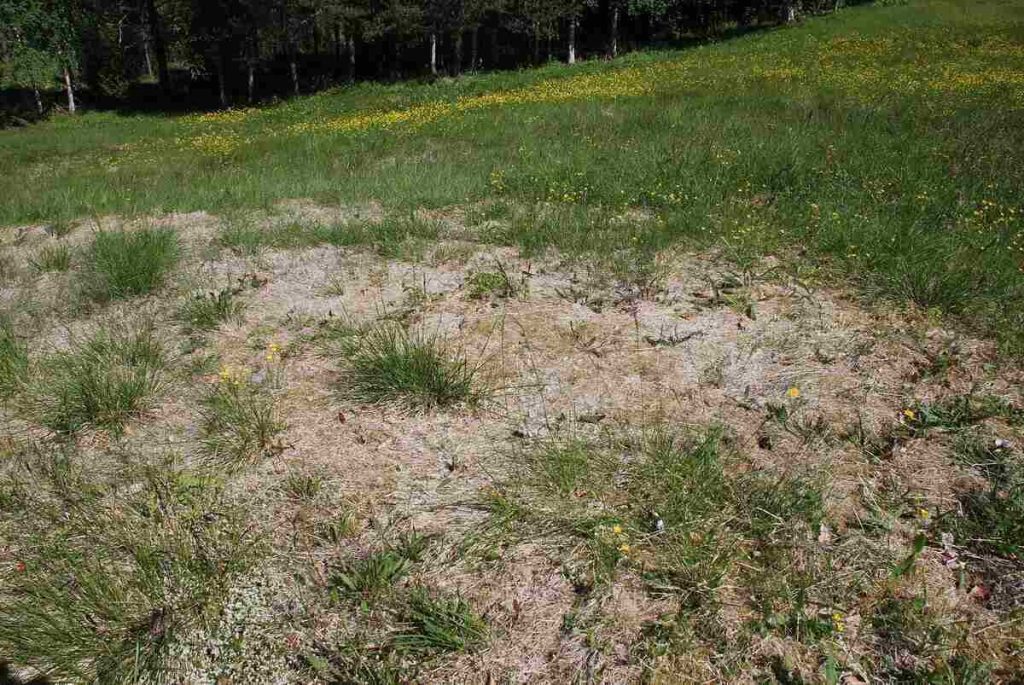
Dealing with snow mold on your grass can be frustrating, but a few simple steps can help you tackle the issue effectively. Start by improving air circulation around your lawn, as this can help prevent mold from forming. Raking away any dead grass or debris is crucial, as it reduces the moisture that fosters mold growth. If you notice signs of snow mold, you can apply a light topping of compost to aid recovery. Regularly mowing your lawn in the spring and ensuring proper drainage can also help maintain a healthy lawn. With these strategies, you’ll be well on your way to getting rid of snow mold and restoring your grass to its vibrant best.
Snow mold is a common issue many homeowners face during spring when the snow begins to melt. This fungus appears as white or gray patches on your lawn, often causing concern for the health of your grass. While it can be alarming to discover, the good news is that snow mold typically doesn’t cause long-term damage if managed promptly. Understanding how to identify and treat snow mold is key to preserving the beauty of your yard. In this article, we’ll explore effective methods to eliminate snow mold and promote a lush, green lawn once again. Let’s dive into the steps you can take to say goodbye to snow mold and hello to a healthy lawn!

“`html
How to Get Rid of Snow Mold on Grass
Snow mold can be a frustrating issue for homeowners and lawn enthusiasts alike. This fungus usually appears after winter, leaving patches of your once green lawn looking unsightly. In this article, we will explore effective strategies and tips on how to get rid of snow mold on grass while helping your lawn recover fully.
Understanding Snow Mold
Before we tackle how to remove snow mold, it helps to understand what it is. Snow mold is a type of fungus that thrives in cold, wet conditions, typically when snow melts.
– **Types of Snow Mold**: There are two primary types of snow mold:
– **Gray Snow Mold (Typhula blight)**: Appears as grayish patches.
– **Pink Snow Mold (Microdochium nivale)**: Shows up as pinkish circular areas.
Knowing which type you’re dealing with can help in choosing the right treatment.
Signs of Snow Mold
Identifying snow mold early is vital. Look for these signs:
– **Discolored patches**: You may see yellow, gray, or pink spots.
– **Wilting grass**: Grass appears flattened or matted down.
– **Fungal growth**: You might notice a cottony or fuzzy texture on the affected areas.
Causes of Snow Mold
Understanding what leads to snow mold can help you prevent it in the future. Common causes include:
– **Heavy snow cover**: Snow traps moisture in your lawn.
– **Poor air circulation**: Dense grass or debris can limit airflow.
– **Over-fertilization**: Too much nitrogen can encourage fungal growth.
Getting Rid of Snow Mold
Now, let’s dive into how to effectively remove snow mold from your lawn.
1. Rake the Affected Areas
Begin by carefully raking the areas affected by snow mold. This will help to:
– Remove dead grass
– Improve air circulation
– Encourage new growth
Make sure to rake gently to avoid damaging healthy grass.
2. Improve Drainage
Good drainage is essential for preventing snow mold. Here are some tips:
– **Aerate the soil**: This helps water penetrate better.
– **Add topsoil**: Consider adding a layer of good-quality topsoil to enhance drainage.
Proper drainage ensures your lawn dries more quickly, reducing mold risks.
3. Mow and Trim Regularly
Keeping your grass at a healthy length is essential. Follow these guidelines:
– **Mow regularly**: Keeping grass shorter can prevent snow mold.
– **Trim around edges**: Ensure no debris accumulates, as it can trap moisture.
Regular mowing encourages growth and reduces humidity levels.
4. Use Fungicides Wisely
If the snow mold is severe, consider applying a fungicide. Here’s how:
– **Choose the right product**: Look for fungicides labeled for snow mold control.
– **Follow the application instructions**: Always adhere to the recommended dosage and timing.
Using fungicides can control the fungus but should be a last resort.
5. Fertilize Appropriately
Proper fertilization promotes healthy growth and resilience. Here’s what to consider:
– **Use slow-release fertilizers**: These are less likely to promote mold.
– **Test your soil**: Understanding nutrient levels can help you apply the right amount of fertilizer.
This will help your lawn recover and stay strong against future attacks.
Preventing Snow Mold in the Future
Prevention is always better than cure. Here are effective strategies:
1. Winterize Your Lawn
Preparing your lawn for winter can significantly reduce snow mold risk.
– **Keep grass length appropriate**: Mow your lawn to about 2-3 inches.
– **Remove debris**: Clear leaves and other debris before winter sets in.
This helps minimize moisture retention during the cold months.
2. Improve Air Circulation
Enhancing air circulation around your lawn is key. You can:
– **Thin out dense areas**: Trim overgrown patches to allow airflow.
– **Plant diverse grasses**: Different species can improve overall resilience.
Good airflow helps keep grass dry, making it less prone to mold growth.
3. Monitor Watering Habits
Overwatering can contribute to mold growth. Here’s what to do:
– **Water early in the day**: This allows the grass to dry before cooler evening temperatures.
– **Adjust watering frequency**: Be mindful of natural rainfall and adjust accordingly.
Proper watering practices keep your lawn healthy and can deter mold.
Recognizing the Right Time for Treatment
Timing your treatment is crucial for effectiveness. Consider the following:
– **Early Spring**: Treat snow mold as soon as it becomes visible in spring.
– **Post-melt**: Address mold immediately after snow melts to prevent further spread.
Acting quickly gives your lawn the best chance of recovery.
Maintaining Lawn Health Year-Round
A healthy lawn is less vulnerable to snow mold. Here are ways to maintain its health:
1. Regular Soil Testing
Conduct soil tests every couple of years to check:
– **Nutrient levels**: Know what your lawn needs.
– **pH balance**: Adjust as necessary to promote healthy growth.
Regular testing ensures your lawn remains robust.
2. Follow a Seasonal Care Schedule
Adhere to a lawn care schedule that includes:
– **Spring fertilization**: Promotes growth.
– **Summer maintenance**: Regular mowing and watering.
– **Fall cleanup**: Prepare your lawn for winter.
This routine keeps your lawn in top shape throughout the year.
3. Invest in Quality Grass Seed
Choosing the right grass seed can make a difference. Look for:
– **Disease-resistant varieties**: These are less likely to develop mold.
– **Seeds suited for your climate**: This ensures better growth and resilience.
Quality grass establishes a stronger lawn that can resist snow mold.
Dealing with snow mold can be frustrating, but with the right information and strategies, you can effectively manage and prevent it. By understanding its causes, identifying early signs, and taking steps to treat and maintain your lawn, you can ensure a healthy, beautiful yard all year long. Emphasizing prevention and proper care will keep your grass thriving and mold-free as you approach the seasons ahead.
“`
How to prevent and get rid of snow mold
Frequently Asked Questions
“`html
What are the signs of snow mold in my lawn?
Look for circular patches of dead grass, usually surrounded by a darker ring. These patches may appear white, gray, or even pink, depending on the specific type of snow mold affecting your grass. Additionally, you might notice a fuzzy mold growing on the surface of the grass blades.
How can I prevent snow mold from developing on my lawn?
To prevent snow mold, focus on maintaining a healthy lawn. Keep your grass at a proper height, avoid excessive nitrogen fertilization in the fall, and ensure proper drainage to prevent water accumulation. Additionally, consider raking up leaves and debris before winter to reduce shelter for mold growth.
What lawn care practices can help recover grass after snow mold damage?
After addressing snow mold, promote recovery by aerating the soil to enhance airflow and moisture drainage. Reseed any bare patches with grass seed suitable for your region. Ensure proper watering and fertilization in the following weeks to support healthy regrowth.
When is the best time to treat snow mold in my grass?
The ideal time to treat snow mold is in early spring, as snow begins to melt and temperatures rise. This allows you to assess the damage and apply necessary treatments, such as fungicides or cultural practices, to promote lawn recovery.
Are there any natural remedies to combat snow mold?
Yes, natural remedies include using compost teas or a mixture of water and baking soda, which can help control snow mold. Apply these solutions directly to the affected areas to help reduce mold growth while promoting a healthy lawn environment.
“`
Final Thoughts
To get rid of snow mold on grass, focus on improving air circulation and sunlight exposure in your lawn. Rake away dead grass and debris in affected areas to promote recovery. Apply fungicides specifically designed for snow mold to eliminate any remaining spores.
Maintaining proper lawn care practices, such as regular mowing and proper watering, also helps prevent future occurrences. Following these steps ensures a healthier lawn as you learn how to get rid of snow mold on grass effectively.