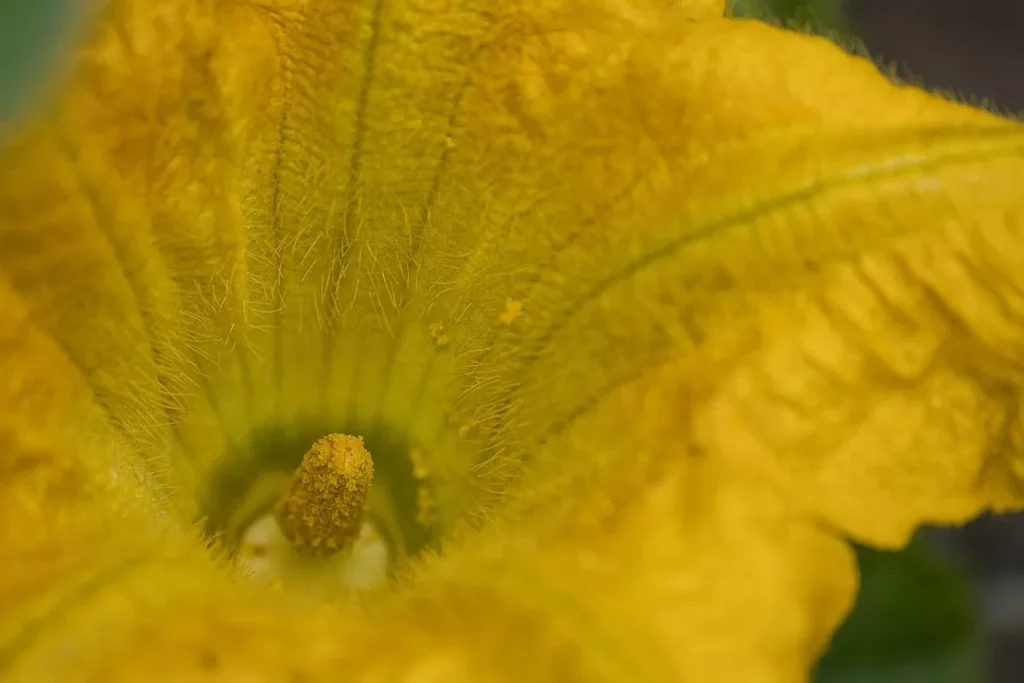
If you've ever walked out to your pumpkin patch excited to see fruit forming, only to find wrinkled little buds that never opened, you're not alone. Female pumpkin flowers dying before opening is one of the most frustrating problems home gardeners face, and it usually comes down to a handful of fixable issues. The good news is that once you know what to look for, you can save the rest of your season.
The key thing to understand is that pumpkin plants produce separate male and female flowers, and only mature when conditions are right. According to vegetable crop research from university extension programs, female flowers are especially sensitive to heat, water stress, and poor pollination. Let's break down exactly what's going wrong and how to turn it around.
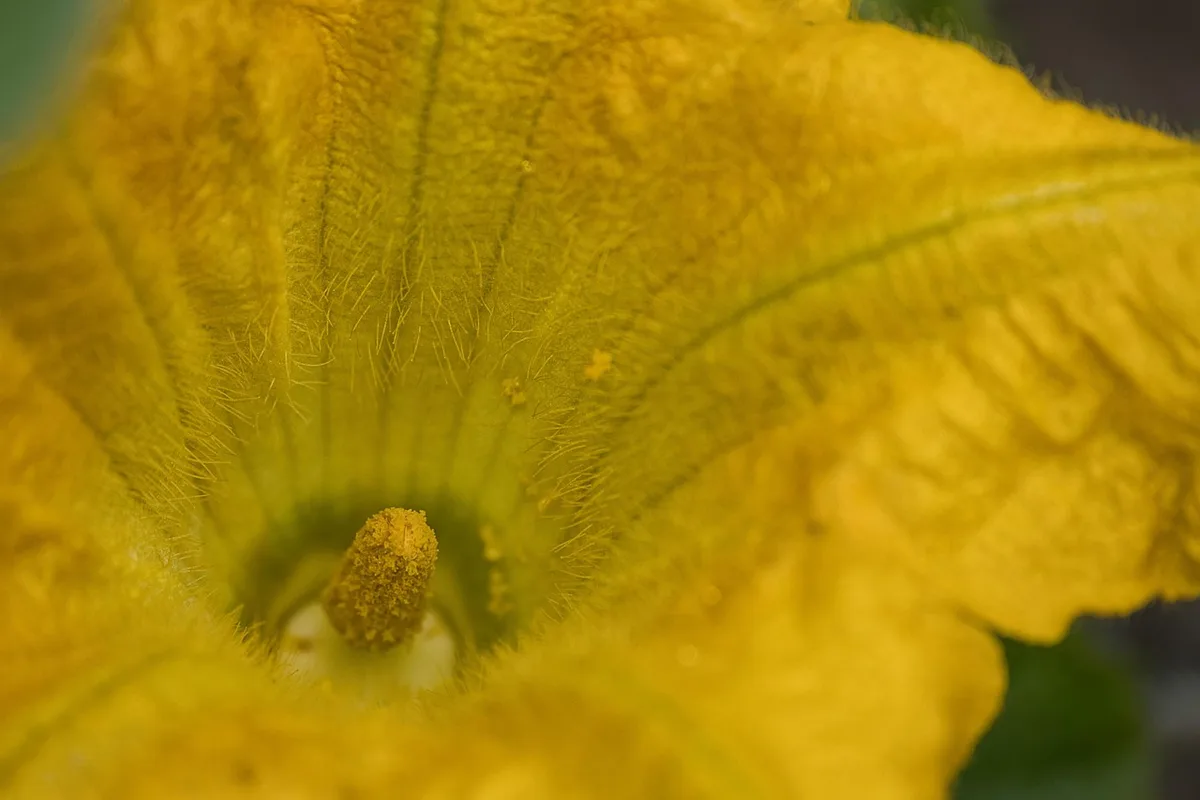
Image source: Pixabay / RosZie (Pixabay Content License)
Quick Answer
Female pumpkin flowers often die before opening due to heat stress, lack of pollination, or incorrect watering. Once daytime temperatures stay above 90°F, buds can shrivel and drop. Hand pollination helps when bees are scarce.
Consistent moisture and balanced fertilizer also reduce flower loss.
Core Explanation: How Pumpkin Flowers Work (and Why Female Ones Fail)
Pumpkins are monoecious, meaning each plant grows distinct male and female flowers. Males show up first, usually a week or two before the females even appear. That gap is normal.
It's the plant's way of establishing a pollen source before fruit-setting flowers arrive.
Female flowers have a small swollen base behind the petals. That tiny bump is what becomes your pumpkin if pollination succeeds. But that ovary is also a stress barometer.
When the plant senses trouble, it aborts female flowers first because producing fruit takes way more energy than dropping a bud.
Several things trigger that abort signal. Heat above 90°F during bud development is a big one. So is inconsistent watering, too much nitrogen, or a lack of pollinators when the flower finally opens.
Sometimes it's a combination of two or three factors stacking up at once.
Understanding this helps you stop blaming yourself and start troubleshooting. The plant isn't broken. It's responding to its environment.
The 5 Most Common Causes of Female Flower Drop
Heat and Humidity Stress
When daytime temperatures climb above 90°F for several days in a row, pumpkin plants struggle to keep their flowers viable. The buds may form normally but then yellow, shrivel, and fall off before they ever open. High humidity makes it worse because pollen gets sticky and less viable.
If you're gardening in a hot climate or had a heat wave hit right when your female flowers were developing, temperature stress is the most likely culprit. Mulching around the base of the plant helps keep roots cooler, and providing afternoon shade with a row cover can take the edge off.
Pollination Problems
Even if your female flowers open perfectly, they still need pollen from male flowers to set fruit. Bees usually handle this job, but if you've had cold, rainy weather during bloom time, or if you're growing in an urban area with few pollinators, the flowers may not get visited enough.
A female flower that opens, sits for a day, and then drops without forming fruit almost always points to a pollination failure. You'll notice the base stays small and smooth instead of swelling. Hand pollination is the fix here, and it takes about 30 seconds per flower.
Nutrient Imbalance
Too much nitrogen is a classic mistake. Your vines look amazing, dark green and sprawling everywhere, but you get almost no fruit. That's because excess nitrogen pushes the plant toward leaf and vine growth at the expense of flowers and fruit.
During the flowering stage, pumpkins need more phosphorus and potassium relative to nitrogen. A fertilizer with an N-P-K ratio around 5-10-10 works well once flowering starts. If you've been feeding a high-nitrogen lawn fertilizer nearby, runoff could be affecting your pumpkin patch too.
Water Inconsistency
Pumpkins are thirsty plants, and they don't handle drought stress well. If the soil dries out completely between waterings and then gets flooded, the plant responds by dropping buds and flowers. The roots need consistent moisture, not a cycle of feast and flood.
Aim for about 1 to 1.5 inches of water per week, delivered slowly and deeply. Drip irrigation or soaker hoses work better than overhead sprinklers, which can promote fungal issues on the leaves and flowers.
Pests and Diseases
Squash vine borers are the nightmare pest for pumpkin growers. The adult moth lays eggs at the base of the stem, and the larvae tunnel inside, disrupting the flow of water and nutrients. One of the first signs can be wilting and flower drop, even though the leaves might still look okay for a few days.
Fungal diseases like powdery mildew and fusarium wilt also stress the plant enough to cause flower abortion. Check the base of your stems for sawdust-like frass, which is a telltale sign of vine borers. For fungal issues, look for white powdery spots on leaves or sudden wilting that doesn't recover after watering.
How to Diagnose What's Wrong
Before you start throwing solutions at the problem, take a few minutes to figure out what's actually going on. A quick walkthrough of these checks will point you in the right direction.
Check the Weather and Timing
Look back at your recent weather. Did temperatures spike above 90°F during the week your female flowers were forming? Did you get heavy rain or a cold snap?
Weather logs from your local extension service or even a weather app can help you connect the dots.
Also check whether your male and female flowers are overlapping. If males finished blooming before females even appeared, you've got a timing issue, not a health issue.
Inspect for Pests and Disease
Get down at soil level and examine the main stem. Look for small holes, oozing sap, or frass near the base. Squeeze the stem gently.
If it feels hollow or mushy, vine borers have likely already done damage.
Flip a few leaves over and check for powdery white residue or yellow spots. These are early signs of fungal infection that can weaken the whole plant.
Review Your Feeding Routine
Think about what you've been fertilizing with and when. If you applied a high-nitrogen fertilizer within the last two weeks, that could be pushing vegetative growth instead of flowering. Check the N-P-K ratio on your fertilizer bag.
During flowering, you want the first number (nitrogen) to be the lowest of the three.
Evaluate Your Watering Habits
Stick your finger 2 to 3 inches into the soil near the base of the plant. If it's bone dry, you're underwatering. If it's soggy or smells off, you might be overwatering and risking root rot.
Consistent, moderate moisture is the goal.
A simple moisture meter takes the guesswork out and costs a few dollars at any garden center.
Step-by-Step Fixes That Actually Work
Once you've identified the likely cause, here's how to fix each problem and get your pumpkin plant back on track.
Hand Pollination Done Right
This is the single most effective fix when bees aren't doing their job. Do it in the morning right after the female flower opens, because they only stay receptive for about a day.
- Find a freshly opened male flower (thin stem, no swollen base).
- Peel back the petals to expose the stamen coated in yellow pollen.
- Gently rub the stamen onto the inside of the open female flower.
- One male flower can pollinate two or three females.
You can also use a small paintbrush to collect and transfer pollen. Some gardeners tape the female flower closed after pollination to prevent bees from diluting the pollen with visits to other cucurbit species nearby.
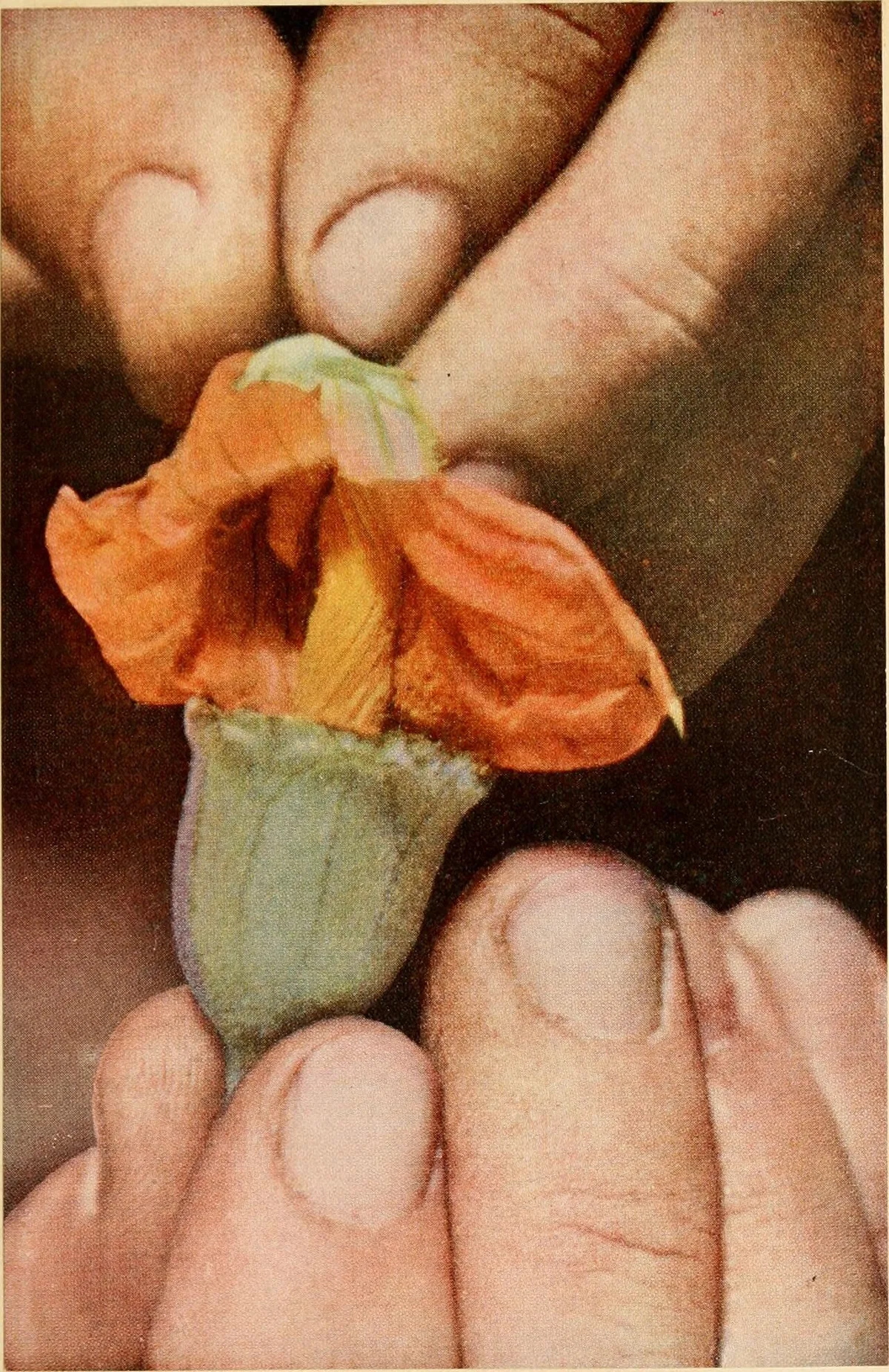
Image source: Wikimedia Commons / Internet Archive Book Images (CC BY-SA)
Adjust Your Fertilizer
Switch to a low-nitrogen, high-phosphorus fertilizer as soon as you see flower buds forming. A 5-10-10 or even a 3-8-8 blend works well. Apply it according to the package directions, usually every two to three weeks during the growing season.
If you've already overfed with nitrogen, you can't undo it immediately, but you can stop adding more and flush the soil with deep watering to help leach excess nutrients. The plant should rebalance over the next couple of weeks.
Optimize Watering
Set up a drip system or soaker hose if you haven't already. Water deeply two to three times per week rather than a light sprinkle every day. The goal is to keep the top 6 inches of soil consistently moist without waterlogging the roots.
Mulch with 2 to 3 inches of straw or shredded leaves around the base. This keeps moisture in, regulates soil temperature, and reduces weed competition.
Protect from Pests and Disease
For squash vine borers, prevention is everything. Wrap the lower 6 inches of the stem with aluminum foil or nylon stockings to block egg-laying. If borers are already inside, you can slit the stem carefully with a razor blade, remove the larva, and bury the damaged section in soil to encourage new root growth.
Neem oil and insecticidal soap work for aphids and other soft-bodied pests. Apply in the evening to avoid harming pollinators. For fungal issues, remove affected leaves and improve air circulation around the plants.
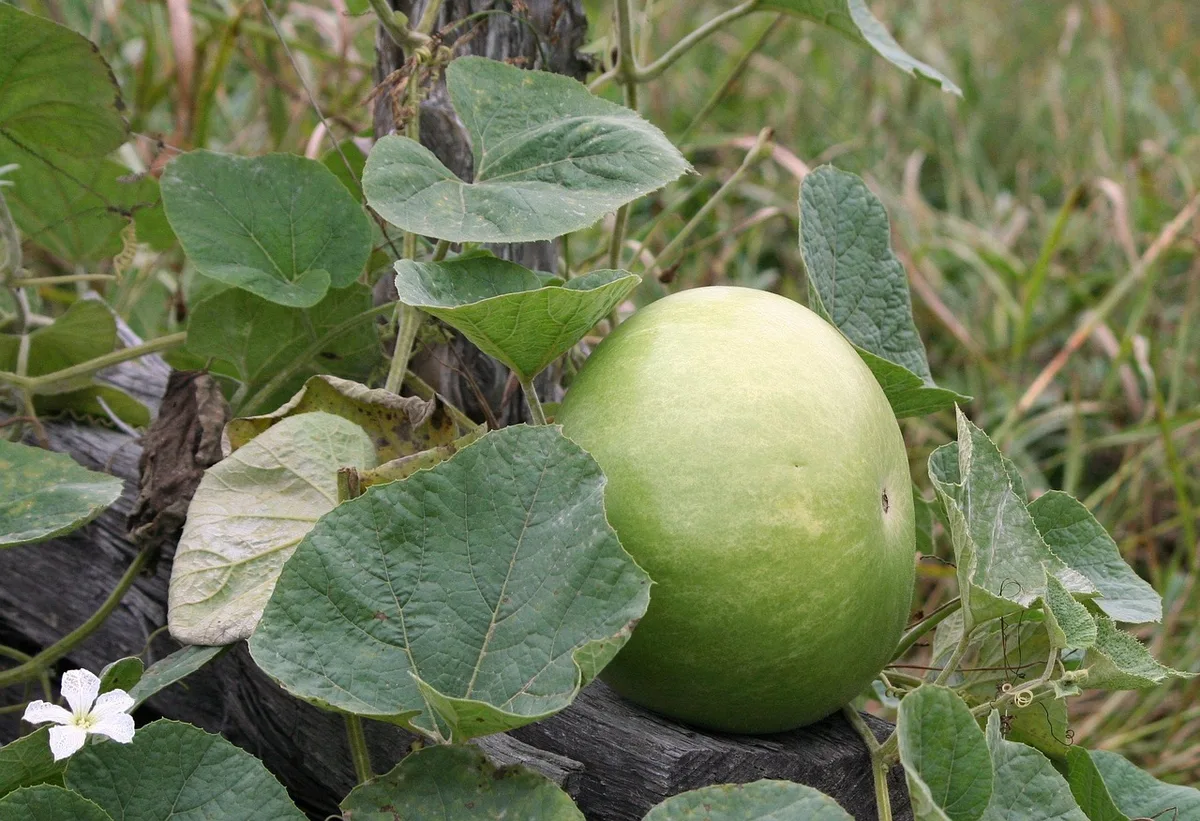
Image source: Pixabay / JamesDeMers (Pixabay Content License)
Shield from Extreme Heat
When a heat wave is forecast, drape a 30 to 40 percent shade cloth over your pumpkin plants during the hottest part of the day. You can also use old bedsheets propped up on stakes. This can lower the temperature around the plants by 5 to 10 degrees, which is often enough to keep buds viable.
Watering in the early morning before temperatures spike also helps the plant stay hydrated through the heat.
Image source: Pixabay / RebaSpike (Pixabay Content License)
When to Worry (and When to Chill)
Not every dropped female flower means disaster. Pumpkin plants naturally abort some buds, especially early in the season. The plant is essentially triaging its resources.
If it doesn't have enough energy to support fruit on every flower, it drops the extras.
You should start paying attention when more than half your female flowers fail to open or set fruit over a two-week span. A few losses here and there is normal. A pattern of consistent failure means something environmental or cultural needs to change.
Also keep in mind that the first flush of female flowers sometimes arrives before the plant is big enough to support fruit. A young vine with only a few leaves can't photosynthesize enough to feed a growing pumpkin. Those early flowers drop, and that's actually healthy.
Once the vine matures and puts on more leaf area, the next round of females has a much better chance.
Expert Tips From Experienced Growers
Seasoned pumpkin growers have a few tricks that go beyond the basics. These come from years of trial and error in real garden conditions.
Pinch the growing tip once you have two or three small pumpkins forming. This redirects the plant's energy from vine growth to fruit development. You'll get fewer but larger pumpkins, and the plant is less likely to abort flowers from resource stress.
Plant in succession if your growing season allows it. Staggering your pumpkin plantings by two to three weeks means you're not putting all your hopes on one set of flowers hitting the perfect weather window.
Attract native pollinators by planting bee-friendly flowers nearby. Borage, sunflowers, and zinnias draw in the exact types of bees that are best at pollinating cucurbits. More bee visits means better fruit set and fewer dropped flowers.
Use row covers early to protect young plants from pests, but remove them once flowering starts so pollinators can reach the flowers. Leaving covers on too long is a common mistake that causes pollination failure.
Mistakes to Avoid
A few habits do more harm than good when you're trying to save your pumpkin flowers.
Overwatering is just as bad as underwatering. Soggy soil suffocates roots and invites fungal problems. If water pools around the base after you irrigate, cut back.
Spraying pesticides during bloom kills the very pollinators you need. If you must treat for pests, do it in the evening after flowers have closed for the day, and choose targeted products like Bt for borers instead of broad-spectrum insecticides.
Ignoring soil pH can lock out nutrients even if you're fertilizing correctly. Pumpkins prefer a pH between 6.0 and 6.8. A simple soil test kit tells you where you stand.
Letting vines sprawl without mulch exposes roots to temperature swings and moisture loss. Bare soil heats up fast in summer, and pumpkin roots are shallow enough to feel every degree.
Assuming all dropped flowers mean disease leads to unnecessary treatments. Most flower drop is environmental. Treat for pests or fungus only when you see actual symptoms, not just bud loss.
Frequently Asked Questions
Why do my pumpkin flowers open and then close without setting fruit?
This usually means pollination didn't happen. The flower opened, no viable pollen reached it, and the plant aborted the fruit. Hand pollination in the morning fixes this.
Also check that male flowers are blooming at the same time as females.
Can I save a female flower that's already wilting?
Once a female flower starts yellowing or shriveling before it opens, it's too late to save that specific bud. Focus your energy on the next round of flowers. Adjust your watering, feeding, and pest management so the next batch has a better shot.
How many female flowers should I expect per plant?
A healthy pumpkin vine typically produces several dozen female flowers over the season, though not all will set fruit. For large carving varieties, letting two to three fruits mature per plant gives you the best size. For smaller pie varieties, you can let five or six develop.
Does the time of day I water affect flower health?
Yes. Watering in the early morning is best because it lets foliage dry before evening, reducing fungal risk. Watering at night leaves plants damp for hours, which encourages disease.
Midday watering wastes moisture to evaporation.
Will my pumpkin plant recover if all its female flowers drop?
In most cases, yes. As long as the vine is still growing and producing new leaves, it will keep sending out new flower buds. Fix the underlying issue, whether it's heat, water, or pollination, and the next cycle should perform better.
Pumpkins are resilient plants.
Final Checklist: What to Do Right Now
Here's a quick action plan you can follow today to start saving your pumpkin flowers.
| Action | When to Do It | Why It Matters |
|---|---|---|
| Check soil moisture 2-3 inches deep | Every morning | Prevents drought stress and overwatering |
| Hand pollinate newly opened females | Early morning, daily during bloom | Guarantees fruit set without relying on bees |
| Switch to low-nitrogen fertilizer | As soon as flowers appear | Shifts energy from leaves to fruit |
| Inspect stems for borer damage | Every 2-3 days | Catches infestations before they kill the vine |
| Mulch around the base with straw | Once, refresh as needed | Regulates soil temperature and moisture |
| Provide shade during heat waves | When temps exceed 90°F | Prevents heat-induced flower abortion |
If you work through this checklist consistently for the next two weeks, you should see a noticeable improvement in how many female flowers survive to set fruit. The key is staying on top of it daily. Pumpkins grow fast, and a small problem today becomes a lost harvest in a week.