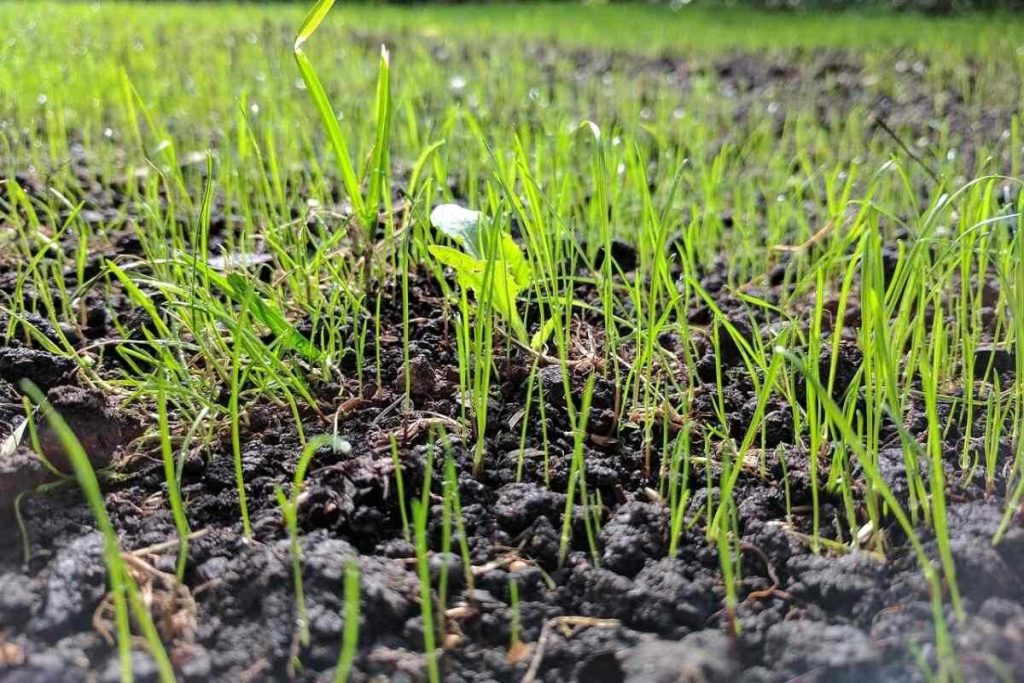
If you’re looking to establish or revitalize your lawn, understanding grass seed is essential. The right type of grass seed can make all the difference in achieving a lush, green landscape. Whether you’re dealing with a sunny area or a shady spot, there are specific varieties designed to thrive in different conditions. Choosing the correct seed, knowing the best planting techniques, and understanding maintenance requirements can lead to a vibrant yard. From cool-season to warm-season grasses, it’s crucial to consider your local climate and soil type. With the right information, you’ll be well on your way to a healthy lawn that can withstand foot traffic and environmental factors. Let’s dive deeper into everything you need to know about grass seed!

“`html
Everything You Need To Know About Grass Seed
Introduction to Grass Seed
Grass seed is an essential component for anyone looking to establish or maintain a lush lawn. It comes in various types and blends, each suited for different climates and soil conditions. Understanding grass seed allows you to choose the best option for your outdoor space.
Types of Grass Seed
There are several types of grass seed available on the market, and each has its unique characteristics. Here’s a list of the most common types:
- Cool-season grasses: Ideal for northern climates, these grasses thrive in cooler temperatures.
- Warm-season grasses: Best suited for southern regions, they grow well in warmer conditions.
- Perennial ryegrass: Known for quick germination, it’s great for quick patches and overseeding.
- Bermudagrass: Popular in southern areas, it’s durable and drought-resistant.
- Fescue: A versatile option that performs well in various conditions.
Understanding Grass Seed Labels
When shopping for grass seed, you’ll encounter labels that may seem confusing at first. Look for the following key information:
- Germination rate: This indicates how many seeds will successfully sprout.
- Pure seed percentage: This shows the percentage of the seed that is actually grass seed, free from other seeds.
- Weed seed percentage: A lower percentage is better to avoid unwanted growth in your lawn.
- Inert matter: This includes items like dirt or debris that are not useful for growing grass.
Choosing the Right Grass Seed for Your Climate
Different grass seeds are suited for varying climates. It’s vital to select the right one based on where you live.
– In cooler regions, opt for **cool-season grasses** like Kentucky bluegrass or tall fescue.
– In warmer areas, **warm-season grasses** like zoysia or centipede grass are ideal.
Consider the sunlight and shade exposure in your yard as well. Some grasses thrive in direct sunlight, while others prefer partially shaded areas.
Soil Preparation for Grass Seed
Before planting grass seed, good soil preparation is critical. Follow these steps for optimal results:
1. **Testing the soil:** Use a soil testing kit to know your soil’s pH and nutrient levels.
2. **Clearing the area:** Remove weeds, rocks, and debris from the planting area.
3. **Tilling the soil:** Loosen the top few inches of soil to improve seed-to-soil contact.
4. **Adding nutrients:** Incorporate compost or fertilizer based on your soil test results.
Proper soil preparation leads to stronger grass growth.
Seeding Techniques
How you plant your grass seed can significantly impact its success. Here are a few effective methods:
– **Broadcast seeding:** Spread the seeds evenly across the soil using a broadcast spreader.
– **Drill seeding:** This method uses a seed drill to place seeds directly into the soil, ensuring better contact.
– **Hand seeding:** For small areas or patches, manually scattering seeds can be effective.
Ensure that you follow the recommended seeding rate provided on the seed package.
Watering After Seeding
Watering is crucial after planting grass seed. Here’s how to do it right:
– Initially, water lightly every day to keep the soil consistently moist.
– Once the grass starts to germinate, reduce the frequency but increase the depth of watering.
– Aim for about one inch of water per week, depending on rainfall.
Proper watering promotes healthy root development.
Common Grass Seed Problems
Even with the best care, you may face issues with your grass seed. Here are a few common problems:
– **Poor germination:** This can be caused by inadequate watering, poor soil conditions, or old seeds.
– **Weed invasion:** Weeds can compete with grass for resources. Using pre-emergent herbicides before seeding can help.
– **Pests and diseases:** Watch for signs of pests or fungal diseases that could harm your lawn.
Identifying and addressing these problems early is essential for a healthy lawn.
Maintenance Tips for Your Grass
To keep your grass looking vibrant, maintenance is necessary. Here are essential tips:
– **Mowing:** Regularly mow to a height that suits your grass type. Most grass should be kept around 2.5 to 4 inches tall.
– **Fertilizing:** Apply fertilizers based on your grass’s needs, usually in spring and fall.
– **Aerating:** Aerate your lawn annually to improve air flow and nutrient absorption.
Regular maintenance practices will promote a healthy and lush lawn.
When to Plant Grass Seed
Timing is crucial when it comes to planting grass seed. Consider the following guidelines:
– **Cool-season grasses:** Best planted in early spring or fall when temperatures are moderate.
– **Warm-season grasses:** Ideal for late spring and early summer when the soil warms up.
Avoid planting during extreme heat or cold, as this can hinder germination.
Overseeding Your Lawn
Overseeding is a great technique to rejuvenate an existing lawn. Here’s how to do it:
1. **Mow your lawn shorter than usual.**
2. **Aerate the soil to promote seed-to-soil contact.**
3. **Spread the new grass seed evenly, ideally using a broadcast spreader.**
4. **Water lightly and consistently until the new grass establishes.**
Overseeding can improve density and color in your lawn.
Using Grass Seed for Erosion Control
Grass seed plays a significant role in controlling erosion. By establishing a strong root system, grass seeds help stabilize soil. Here are a few tips:
– Choose fast-growing grass varieties for quick coverage.
– Plant on slopes or areas prone to erosion to protect the soil from washing away.
Utilizing grass seed for erosion control not only protects the soil but also enhances the landscape.
Environmental Benefits of Grass Lawns
Grass lawns offer several environmental benefits that contribute to a healthy ecosystem. Some benefits include:
– **Air purification:** Grass absorbs carbon dioxide and releases oxygen, improving air quality.
– **Soil health:** Grass promotes microbial activity that enhances soil structure and fertility.
– **Water absorption:** Grass lawns help manage stormwater runoff by absorbing rainwater.
Planting grass is not just about aesthetics; it supports the environment.
Understanding grass seed is fundamental for anyone wanting to maintain a beautiful lawn. By knowing the types of grass, proper seeding techniques, and maintenance tips, you can create a healthy and vibrant outdoor space. Whether it’s for aesthetic appeal or environmental benefits, grass seed plays a vital role in achieving a lush lawn that enhances your home and garden.
“`
How to Plant a yard and grass seed like a pro – Grow a new lawn, overseeding, yard & sod care tips
Frequently Asked Questions
What types of grass seed are best for different climates?
Choosing the right grass seed depends significantly on your climate. Cool-season grasses, such as Kentucky bluegrass and tall fescue, thrive in northern climates where temperatures are cooler. In contrast, warm-season grasses like Bermuda and zoysia perform well in southern areas with higher temperatures. Understanding your local climate can help you select the best grass type for your lawn.
How do I prepare my soil before planting grass seed?
Preparing your soil is crucial for successful grass growth. Start by clearing the area of debris, rocks, and old grass. Then, till the soil to a depth of about 3 to 4 inches to improve aeration and drainage. Testing the soil pH can also help; ideally, it should be between 6.0 and 7.0. Finally, add organic matter or fertilizer as needed to enrich the soil before sowing the grass seed.
How can I ensure my grass seed germinates successfully?
To promote successful germination, water the area lightly after sowing the grass seed to keep the soil consistently moist. Avoid overwatering, which can lead to seed rot. Maintain a temperature suitable for the grass type you’ve chosen, and consider covering the seed with a thin layer of straw or mulch to protect it from birds and environmental factors. Patience is key; germination typically takes 7 to 14 days, depending on the grass variety.
When is the best time to plant grass seed?
The timing for planting grass seed greatly affects its growth. For cool-season grasses, the best time is early spring or early fall when temperatures are moderate. Warm-season grasses flourish when planted in late spring or early summer as temperatures rise. Planting during these optimal times helps ensure that the seeds establish strong roots before extreme weather conditions set in.
How do I maintain my lawn after seeding?
After seeding, mow your lawn when the grass reaches about 3 inches in height. Avoid cutting more than one-third of the grass height in a single mowing session. Regular watering is essential, especially during dry spells, but be careful not to overwater. Additionally, fertilize your lawn according to the specific needs of the grass type and monitor for pests or diseases to keep your lawn healthy and thriving.
Final Thoughts
Grass seed plays a crucial role in creating a lush and healthy lawn. Choosing the right type of grass seed based on your climate and soil conditions is essential for successful growth. Proper preparation and maintenance will ensure that your grass thrives and withstands environmental stressors.
Everything You Need To Know About Grass Seed covers the essentials in selecting and caring for your grass. By understanding your options and applying best practices, you can achieve a vibrant landscape that enhances your property. Focus on the key factors, and you’ll enjoy the benefits of a beautiful lawn.