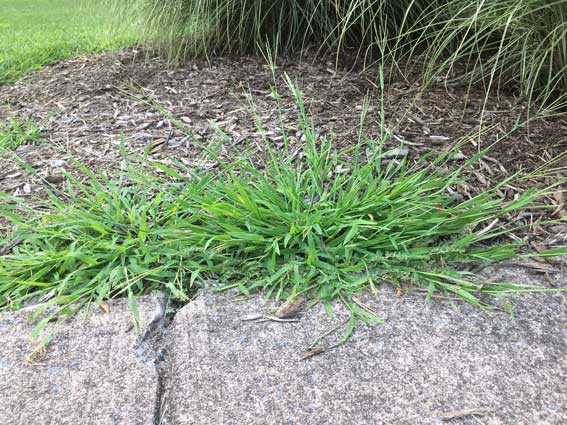
Crabgrass is taking over lawns this year like never before, turning once lush grass into a patchwork of weeds. This aggressive invader thrives in the current conditions, making it harder than ever to keep your yard looking neat. If you’re wondering why crabgrass seems so rampant right now, the answer lies in recent weather patterns and changing soil conditions that favor its growth.
In short, this year’s unpredictable weather—warm temperatures early on and frequent rain—creates the perfect storm for crabgrass to flourish. Plus, many traditional weed control methods are less effective this season, allowing it to spread rapidly. Understanding these factors can help you fight back and restore your lawn’s beauty.
Crabgrass tends to explode this year due to warm early-season temperatures, increased rainfall, and diminished effectiveness of common weed control strategies. These conditions give crabgrass an upper hand, making it a common and frustrating problem for homeowners.

Why Is Crabgrass So Bad This Year?
The Growing Problem of Crabgrass
Crabgrass has become a big problem this year, taking over lawns and gardens quickly. Its rapid growth and spreading nature make it hard to control once it appears. Many homeowners are frustrated because it seems to emerge earlier and spread faster than usual.
Understanding Crabgrass: What Is It?
Crabgrass is a type of weed that belongs to the grass family, but it’s considered a nuisance. It thrives in warm weather and poorly maintained lawns. Its seeds can stay dormant in the soil for years, waiting for the right conditions to sprout.
The Factors Behind the Bad Crabgrass Year
Several factors contribute to an increase in crabgrass this year, including weather conditions, soil health, and lawn maintenance habits. Let’s explore each in detail.
Unusual Weather Patterns
This year experienced a series of warm, wet spells early in the season. These conditions create the perfect environment for crabgrass seeds to germinate rapidly. Extended periods of rain and higher temperatures accelerate weed growth.
Early Warmth
A trend of unseasonably warm temperatures in early spring caused crabgrass to sprout sooner than normal. This early start gave crabgrass a head start over desirable grasses, making it more difficult to control later on.
Heavy Rainfall and Moisture
Heavy rain boosts soil moisture, which crabgrass seeds need to germinate. Excess water also weakens your lawn plants, giving weeds an edge over healthy grass. Waterlogged soil can also spread weed seeds faster.
Soil Conditions and Health
Poor soil quality can lead to weak grass that is less able to compete with weeds. Areas with compacted soil or low nutrients are more vulnerable to crabgrass invasions. Healthy, aerated soil discourages weed growth.
Why Crabgrass Is Worse Than Usual This Year
Crabgrass’s aggressive growth style and adaptability make it particularly troublesome now. Several reasons make this year especially bad for this weed.
Extended Growing Season
A longer growing season means crabgrass can develop more generations in a single year. Warmer weather lasts longer, giving weeds more time to spread and establish.
Seed Production and Spread
Crabgrass produces a large number of seeds, often thousands per plant. The seeds are easily spread by wind, water, and even lawn equipment. With more seeds released, infestations grow faster.
Resistance to Control Methods
Some crabgrass varieties have become resistant to common herbicides. This resistance makes chemical control less effective, especially if preventative measures weren’t taken early.
Why Is Crabgrass So Difficult to Control?
Controlling crabgrass is not just about pulling weeds. Its hardiness and rapid seed production make it a persistent pest. Understanding these challenges helps in planning better control strategies.
Fast Germination and Growth
Crabgrass germinates quickly, sometimes within a week after seed dispersal. Its fast growth allows it to shade out native grasses, further complicating control efforts.
Root System and Resilience
Crabgrass has a shallow but widespread root system. Cutting or pulling it out often leaves behind roots that re-sprout. This resilience means repeated efforts are necessary to manage it effectively.
Timing of Weed Control
Applying herbicides at the right time is essential. If done too late, the weed has already spread seeds and established itself. Early intervention is key for successful control.
The Impact of Crabgrass on Lawns and Gardens
Crabgrass can cause significant damage to your lawn if left unchecked. It competes with native grasses and plants for nutrients, water, and sunlight.
Thinning of Lawn Grass
Crabgrass quickly overtakes areas with weak or thin grass. It creates bare patches, making lawns look uneven and patchy.
Reduction in Lawn Beauty
A lawn full of crabgrass looks untidy and unkempt. The weed’s coarse texture and light green color clash with the lush, dark green of well-maintained grass.
Soil Erosion and Damage
In severe cases, crabgrass can contribute to soil erosion, especially in bare patches. It reduces the soil’s ability to hold nutrients and water, affecting future lawn health.
How to Prevent Crabgrass This Year
Prevention is always better than cure when it comes to crabgrass. Several proactive steps can help keep this weed at bay.
Maintain a Healthy Lawn
Regular fertilization, watering, and aerating promote thick, healthy grass. Dense turf leaves less room for crabgrass to establish itself.
Apply Pre-Emergent Herbicides
Pre-emergent herbicides prevent crabgrass seeds from germinating. Timing is crucial; apply them early in the spring before seed dispersal begins.
Proper Watering Techniques
Water deeply but infrequently to encourage deep grass roots. Shallow watering favors weed germination and growth.
Fix Soil Problems
Test soil and amend it with organic matter or nutrients as needed. Proper soil health helps your lawn resist weeds better.
Controlling Crabgrass Effectively
Once crabgrass appears, quick action is essential. Combining strategies increases your chances of success.
Post-Emergent Herbicides
Apply post-emergent herbicides carefully to target actively growing crabgrass. Follow label instructions for safety and effectiveness.
Manual Removal and Maintenance
Pulling out crabgrass by hand works best on small patches. Make sure to remove entire plants, roots included, to prevent regrowth.
Improve Lawn Density
Overseeding thin areas strengthens your lawn. Healthy grass crowds out weeds like crabgrass naturally.
Water and Mowing Practices
Set your mower to a height that promotes deep roots. Proper mowing and watering create conditions less favorable for crabgrass.
Additional Tips and Recommendations
Incorporate various maintenance routines to prevent future outbreaks. Regular lawn care combined with strategic weed control can keep your yard healthy.
Use Mulch in Garden Beds
Applying mulch suppresses weed growth and conserves moisture. It’s an easy way to reduce crabgrass invading flower beds.
Stay Consistent with Lawn Care
Consistency in watering, mowing, and fertilizing helps maintain a strong lawn. A vigorous yard resists weed invasions better.
Identify Crabgrass Early
Regular inspection allows for quick action if crabgrass appears. Catching it early prevents large infestations.
Research Safe and Effective Products
Choose herbicides that are safe for your landscape and effective against crabgrass. Always read labels and follow application instructions carefully.
Related Topics to Consider
Other common weeds and lawn issues can also affect your yard. Think about soil testing, pest control, and landscaping to improve overall lawn health.
Soil Testing for Better Lawn Care
Understanding soil pH and nutrient levels helps tailor your lawn care routine, reducing weed problems.
Proper Lawn Aeration
Aerating prevents soil compaction, allowing roots to grow deeper and resist invasive weeds better.
Choosing the Right Grass for Your Area
Select grass species suited for your climate and soil type. Well-matched grass types grow better and fight weeds naturally.
Environmental Factors and Their Effects
Local weather, rainfall, and sunlight all influence weed growth. Adjust your lawn care based on these factors to reduce crabgrass.
Summary of Key Points
Crabgrass thrives due to warm weather, moisture, soil conditions, and its own resilience. It’s more aggressive this year because of extended growing seasons, seed spread, and herbicide resistance. Prevention, early intervention, and proper lawn maintenance are your best defenses.
Maintaining a healthy, dense lawn significantly reduces crabgrass invasions. Regular care, combined with targeted weed control methods, will help keep your yard beautiful and free of this persistent weed.
How to Get Rid of Crabgrass (4 Easy Steps)
Frequently Asked Questions
What weather conditions have contributed to the increase in crabgrass this year?
This year’s weather patterns, particularly periods of warm temperatures combined with frequent rainfall, create ideal conditions for crabgrass germination and growth. The consistent moisture keeps the soil warm and encourages rapid seedling development, leading to a larger infestation than usual.
How does lawn maintenance influence the spread of crabgrass during the season?
Inconsistent mowing, delayed fertilization, and lack of weed control treatments weaken the grass and make it easier for crabgrass to establish. A healthy, dense lawn competes better against weeds, so neglecting regular maintenance often results in more widespread crabgrass growth.
Are there specific soil factors that make certain areas more susceptible to crabgrass this year?
Yes, soil that is compacted or has poor nutrient levels provides an easier environment for crabgrass to thrive. Areas with high levels of nitrogen or disturbed soil from construction or heavy foot traffic may also see increased crabgrass growth, especially if the soil temperature stays warm for longer periods.
Could seed dispersal from nearby areas be contributing to the crabgrass problem?
Definitely. Seeds can spread easily via wind, animals, or human activity, especially in areas adjacent to unmanaged or heavily disturbed plots. This continuous seed influx can lead to more aggressive crabgrass colonization across your lawn.
What pest or disease issues are indirectly promoting crabgrass proliferation this year?
Some pests and diseases weaken the turfgrass, creating open spots where crabgrass can quickly settle and grow. An increase in turf damage from insects or fungal infections reduces the competition for crabgrass and allows it to spread more rapidly across affected areas.
Final Thoughts
Crabgrass has become a major problem this year due to unusual weather patterns and increased rainfall. These conditions create an ideal environment for crabgrass to thrive and spread quickly.
Gardening experts report that early summer warmth followed by heavy rains has allowed crabgrass seeds to germinate abundantly. Homeowners often struggle with controlling its rapid growth on their lawns.
In conclusion, why is crabgrass so bad this year? Its aggressive growth is fueled by climate changes and favorable soil conditions, making it harder to eliminate. Taking prompt action remains essential to protect your lawn.