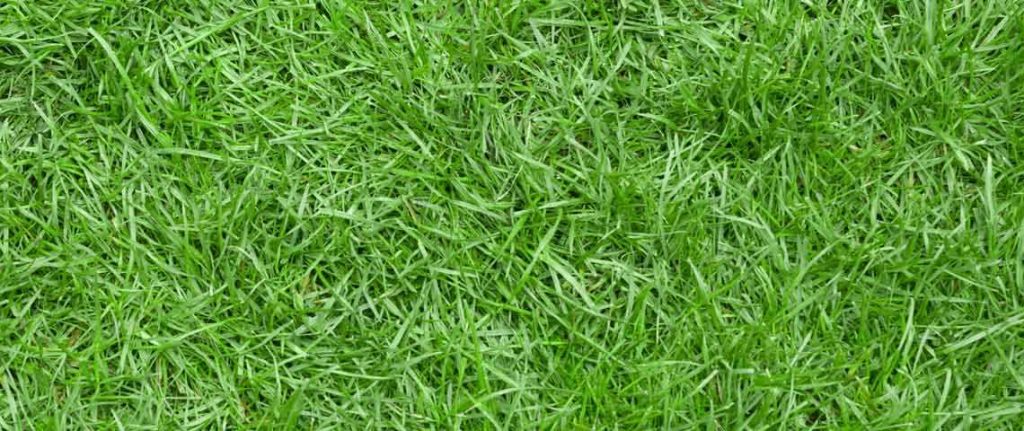
Yes, zoysia grass can tolerate slightly acidic soils, but it thrives best in neutral to slightly alkaline conditions. Proper soil pH is essential for healthy growth, and while zoysia is adaptable, overly acidic soil can hinder its development and lushness. Regular soil testing and amendments can ensure optimal conditions.
Zoysia grass generally prefers soil with a pH between 6.0 and 7.0, which is slightly acidic to neutral. If your soil is more acidic than that, you can improve its quality by applying lime to raise the pH level. Understanding the soil needs of zoysia grass can help you maintain a vibrant, dense, and healthy lawn that remains resilient and attractive throughout the seasons.
Zoysia grass is popular for its dense growth and drought resistance, making it a favorite for lawns and golf courses. However, like most grasses, it requires the right soil conditions to thrive. Many homeowners wonder if their soil’s acidity affects zoysia’s health—generally, it does, but with a few adjustments, you can create the ideal environment for this versatile grass. Knowing how soil pH impacts zoysia allows you to tailor your lawn care practices, ensuring your grass remains lush, green, and resilient.

Does Zoysia Grass Like Acidic Soil?
Understanding Soil pH and Its Importance
Soil pH measures how acidic or alkaline the soil is. It influences how well grass can absorb nutrients from the ground. Zoysia grass tends to thrive in soils with a specific pH range, but understanding this range is key to healthy lawns.
The pH scale runs from 0 to 14. A pH of 7 is considered neutral, below 7 is acidic, and above 7 is alkaline. Most grasses prefer soils that are slightly acidic to neutral, which is around 6.0 to 7.0.
What Is the Ideal Soil pH for Zoysia Grass?
Zoysia grass prefers a soil pH between 6.0 and 6.5. This range allows for optimal nutrient absorption and healthy root growth. If the soil is too acidic or too alkaline, it can lead to nutrient deficiencies, affecting the overall health of the grass.
Within this pH range, zinc, iron, and manganese are more readily available to the roots of Zoysia grass, supporting vibrant green color and strong growth.
Does Zoysia Grass Like Acidic Soil?
Generally, Zoysia grass performs well in mildly acidic soils. However, it does not thrive in highly acidic soils with a pH below 5.5. Excessively acidic soil can hinder nutrient uptake and make the grass more susceptible to diseases.
For best results, soil pH should be tested before planting or overseeding Zoysia lawns. Regular testing helps maintain an ideal pH level and ensures the health of the grass.
How to Test Soil pH Effectively
Soil testing kits are simple and affordable tools for homeowners. These kits include test strips or liquids that change color based on the soil’s pH. For more accurate results, professional lab testing is recommended.
Testing should be done at multiple points across the lawn to get a comprehensive understanding of soil conditions. This helps determine whether amendments are needed to adjust pH levels.
Factors That Influence Soil Acidity and Zoysia Growth
Several factors can affect soil acidity, including local climate, rainwater, and soil type. Acidic rain or frequent watering with low pH water can gradually lower soil pH over time.
Soil composition also plays a role. Sandy soils tend to be more acidic, while clay soils may be more neutral or alkaline, depending on their mineral content.
Adjusting Soil pH for Optimal Zoysia Growth
Adding Lime to Raise pH
If your soil is too acidic for Zoysia grass, lime is a common remedy. It neutralizes acidity and raises soil pH gradually. The amount of lime needed depends on the current pH and soil type.
Lime can be applied in the form of calcitic or dolomitic lime. It’s important to follow application instructions to avoid overcorrecting and creating an alkaline environment.
Using Sulfur to Lower pH
In cases where soil is too alkaline, elemental sulfur can be used to increase acidity. Sulfur slowly converts to sulfuric acid in the soil, lowering pH over time. Proper application rates are essential to avoid harming the grass.
Consulting with soil experts or extension services can help determine the right quantities and timing for amendments.
Soil pH and Maintenance Practices
Maintaining the correct soil pH is an ongoing process. Regular testing, typically once a year, helps identify any shifts in acidity. This is especially important after heavy rainfall or use of fertilizers.
Proper fertilization practices can influence soil pH. For example, synthetic fertilizers may acidify soil over time, necessitating pH adjustments.
Additional Soil Conditions Important for Zoysia Grass
Besides pH, soil drainage, texture, and nutrient content are crucial for Zoysia health. Well-drained soils prevent waterlogging, which can damage roots.
| Soil Condition | Importance for Zoysia |
|---|---|
| Drainage | Prevents root rot and promotes healthy growth |
| Texture | Sandy or loamy soils are ideal for better nutrient availability |
| Nutrient Content | Consistent feeding ensures lush, green lawns |
Related Topics to Consider
- Choosing the right fertilizer for Zoysia grass in acidic soils
- Best watering practices to maintain soil pH and health
- Impact of soil amendments on other grass types
- Common problems in acidic soils and how to fix them
Summary of Key Points
- Zoysia grass prefers a pH range of 6.0 to 6.5
- It can tolerate mildly acidic soils but struggles in highly acidic environments
- Soil testing guides proper amendments with lime or sulfur
- Maintaining proper soil pH is essential for lush, healthy Zoysia lawns
- Regular soil testing and appropriate amendments help avoid nutrient deficiencies
Understanding whether Zoysia grass likes acidic soil helps homeowners and landscapers create better conditions for thriving lawns. By keeping soil pH within the ideal range, you ensure your grass gets the nutrients it needs for vibrant color, dense growth, and overall health. Proper soil management is a simple but vital part of maintaining a beautiful, resilient Zoysia lawn.
How To Care For Zoysia Grass!! Full Guide!! Fertilizer | Mowing | Watering | Pest | Fungus | Weeds
Frequently Asked Questions
Does Zoysia grass perform well in soils with a low pH level?
Zoysia grass prefers soil that is slightly acidic to neutral, typically with a pH between 6.0 and 7.0. While it can tolerate some acidity, highly acidic soils with a pH below 5.5 may hinder its growth and development. It’s advisable to test your soil’s pH before planting and make adjustments if necessary to ensure optimal health for your Zoysia lawn.
How can I improve soil conditions if my soil is too acidic for Zoysia grass?
If your soil tests show a pH below 6.0, adding lime to the soil can help raise the pH and reduce acidity. Spread lime evenly across the lawn and water it thoroughly to aid in neutralizing the soil. Regularly testing your soil will help you monitor changes and maintain a suitable environment for Zoysia grass to thrive.
Is it necessary to amend highly acidic soil before planting Zoysia grass?
Yes, amending highly acidic soil improves the chances of successful Zoysia grass establishment. Without adjustments, the grass may struggle with nutrient uptake and growth. Conduct a soil test first, and if acidity levels are high, incorporate lime or other soil conditioners to modify the pH to a more favorable range for Zoysia grass.
Final Thoughts
Zoysia grass generally thrives in soils with a pH between 5.5 and 6.5. Acidic soils with a pH lower than 5.5 can hinder its growth and health.
To ensure vibrant lawns, gardeners should test their soil pH regularly. If the soil is too acidic, adding lime can help balance the pH.
In conclusion, does zoysia grass like acidic soil? Not quite. It prefers slightly acidic to neutral conditions, so maintaining proper soil pH benefits its development and appearance.