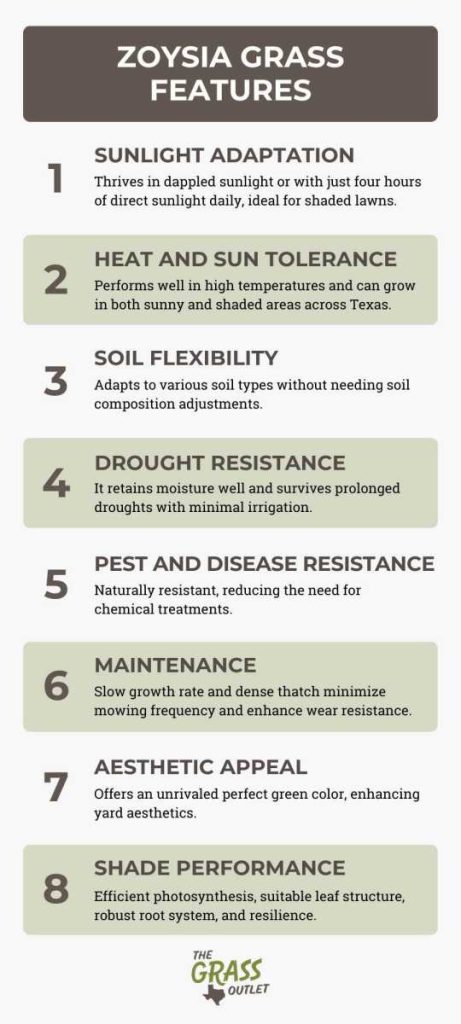
Yes, zoysia grass can tolerate some shade, but it generally prefers full sun to thrive. While it’s more shade-tolerant than many other grasses, it still performs best with at least 4-6 hours of direct sunlight daily. If you’re considering planting zoysia in shaded areas, understanding its light needs will help you achieve a lush, healthy lawn.
Zoysia grass isn’t a shade-loving grass, but it’s relatively adaptable. It can handle partial shade better than many warm-season grasses, making it a good choice for yards with some tree cover or structures that block sunlight. However, for optimal growth and a dense, vibrant lawn, providing plenty of sunlight is ideal.
If you’re wondering whether zoysia grass can flourish in shady spots, the short answer is yes, but with some caveats. It’s important to recognize that while zoysia is more shade-tolerant than other warm-season grasses, it still needs a good amount of sunlight to stay healthy and vigorous. Too much shade can result in sparse growth and increased susceptibility to disease. By selecting the right variety and managing your yard’s light conditions, you can enjoy the benefits of a hardy, low-maintenance lawn with zoysia grass—even in less sunny areas.

Does Zoysia Grass Like Shade? An In-Depth Look at Growing Zoysia in Shady Areas
Introduction to Zoysia Grass and Its Growing Conditions
Zoysia grass is a popular warm-season turfgrass, loved for its dense growth and ability to withstand foot traffic. Many homeowners wonder if it can thrive in shaded parts of their yard. While Zoysia is known for its heat and drought tolerance, its relationship with shade is more complex. Understanding this can help you decide if Zoysia is right for shady spots in your landscape.
How Does Zoysia Grass Respond to Shade?
Zoysia grass generally prefers full sun to grow well. It needs around six hours of direct sunlight daily to maintain its lush green color and dense texture. In shaded areas, Zoysia might struggle to grow, become thin, or turn brown. This is because lack of sunlight limits its ability to produce the energy it needs through photosynthesis.
Impact of Partial Shade on Zoysia
Partial shade occurs when a spot receives about three to six hours of direct sunlight each day. In these conditions, Zoysia can sometimes survive but might not reach its full potential. You may notice slower growth and less vigorous turf. To help Zoysia perform better in partial shade, choose a variety with better shade tolerance and ensure it gets some sun during the day.
Effects of Heavy Shade on Zoysia
Heavy shade refers to areas with minimal direct sunlight, often shaded by trees or buildings. Under these conditions, Zoysia struggles significantly. It may turn yellow or brown, become patchy, or die out completely. Such environments are usually unsuitable for Zoysia unless you take measures to increase light exposure.
Choosing the Right Zoysia Variety for Shaded Areas
Some Zoysia varieties are better adapted to partial or full shade than others. For example, Zoysia japonica types like Emerald Zoysia have moderate shade tolerance, but still need some sunlight. Conversely, Zoysia tenuifolia might tolerate more shade due to its fine texture. Selecting the correct variety can improve your chances of success.
Popular Zoysia Varieties and Their Shade Tolerance
| Variety | Shade Tolerance | Additional Notes |
|---|---|---|
| Emerald Zoysia | Moderate | Green color persists well in partial shade but needs some sun. |
| Palmer Zoysia | Moderate to Good | More tolerant of shade than other Zoysia types, suitable for lawns with some trees. |
| Zeon Zoysia | Moderate | Good drought resistance, but prefers full sun for best growth. |
| Zoysia tenuifolia | Better in shade | Very fine texture, tolerates more shade but may require more maintenance. |
Managing Zoysia in Shaded Areas
While Zoysia can tolerate some shade, managing it properly is key to maintaining a healthy lawn. Here are several tips:
Increase Light Exposure
Prune or remove overhanging branches to allow more sunlight to reach the grass. Even a few extra hours of sunlight can boost growth and color.
Improve Soil Conditions
Ensure soil drains well and is rich in nutrients. Proper fertilization encourages healthy growth even in less-than-ideal sunlight.
Watering and Fertilization
Adjust watering to avoid overwatering shaded areas. Use a balanced fertilizer suited for Zoysia to promote strong, dense turf.
Overseeding and Lawn Care
In patches where Zoysia struggles, overseed with more shade-tolerant grass types if necessary. Consistent lawn care also helps improve overall plant health.
Alternatives to Zoysia for Shady Spots
If your yard has heavy shade, consider other grasses better suited to those conditions. Examples include:
- Fescue Grass: Tolerates shade well and stays green in less sunny areas.
- St. Augustine Grass: Especially good in warm climates and can handle some shade.
- Bermuda Grass: Prefers full sun but can be adapted with proper management.
Choosing the right grass is essential for a green, healthy lawn under shaded conditions.
Cost and Maintenance Considerations
Growing Zoysia in shaded areas may involve higher costs and effort. It might require more frequent fertilization, pruning, and overseeding. Be prepared for increased maintenance to keep the turf healthy.
Cost of Zoysia versus Other Options
While Zoysia can be more expensive to install, its durability and drought resistance make it a good investment. Alternatively, shade-tolerant grasses usually cost less and require less intensive care in shady parts.
Maintenance Tips for Shaded Zoysia
Regularly mow at the recommended height, typically around 1.5 to 2 inches. Keep an eye out for pests and weed invasions, which can be more problematic in low light.
Summary of Key Points for Growing Zoysia in Shade
- Zoysia prefers full sun but can tolerate partial shade with proper management.
- Shade-tolerant varieties like Emerald Zoysia and Palmer Zoysia offer better chances of success.
- Managing sunlight, soil, watering, and fertilization improves growth in shaded areas.
- Heavy shade may require considering alternative grasses for a healthier lawn.
- Ongoing maintenance is essential to keep shaded Zoysia looking vibrant and full.
Additional Topics Related to Shade Tolerance
Exploring how to improve overall lawn health under trees, best practices for shade gardening, and alternative turf options can help you create the perfect yard. Understanding the specific needs of your landscape allows for a tailored approach to grass planting and maintenance.
By evaluating your yard’s sunlight conditions and choosing the right Zoysia variety or alternative grass, you can enjoy a lush, green lawn—even in shaded areas. Proper care and management go a long way in making sure your grass stays healthy and attractive.
Is Zeon Zoysia Shade Tolerant?
Frequently Asked Questions
Can zoysia grass tolerate partial shade in a lawn?
Zoysia grass can grow in areas with partial shade, but it performs best with at least six hours of direct sunlight daily. In shaded areas, the grass may grow more slowly and become less dense, which can make it more susceptible to weeds. To improve growth in shaded spots, consider pruning nearby trees or shrubs to allow more light to reach the grass.
Does shade affect the color of zoysia grass?
Yes, shade can cause zoysia grass to lose some of its vibrant green hue. In shaded conditions, the grass might appear paler or less lush compared to areas with full sun. Ensuring some exposure to sunlight and proper fertilization can help maintain its healthy color even in partially shaded zones.
How can I maintain zoysia grass in shaded areas?
To keep zoysia grass healthy in shaded parts of your lawn, avoid overwatering, which can promote disease. Fertilize lightly and regularly to support growth, and remove obstacles that block sunlight, such as branches or structures. Regular mowing at the right height also encourages healthy development in shady patches.
Is zoysia grass suitable for heavily shaded zones?
Zoysia grass generally struggles in heavily shaded zones with less than four hours of direct sunlight daily. In such areas, the grass tends to thin out and may not establish well, making it less suitable. For heavily shaded locations, consider alternative grasses specifically adapted to low-light conditions.
What are the signs that zoysia grass is not thriving in the shade?
If you notice that zoysia grass in shaded areas looks thin, has uneven color, or is more prone to weeds or disease, these are signs it isn’t thriving. The grass may also grow slowly or die back in patches. Addressing these issues by increasing light and proper care can help improve its health.
Final Thoughts
Zoysia grass is known for its versatility and ability to tolerate various sunlight conditions. However, its performance may decline in deep shade, leading to thinner growth and less vibrant color.
While zoysia can handle partial shade, full shade areas might not support its best growth. Proper site selection and maintenance can improve its success in shaded spots.
In conclusion, does zoysia grass like shade? It tolerates some shade but prefers full sun for optimal health. For the best results, plant in sunnier locations to ensure lush, healthy turf.