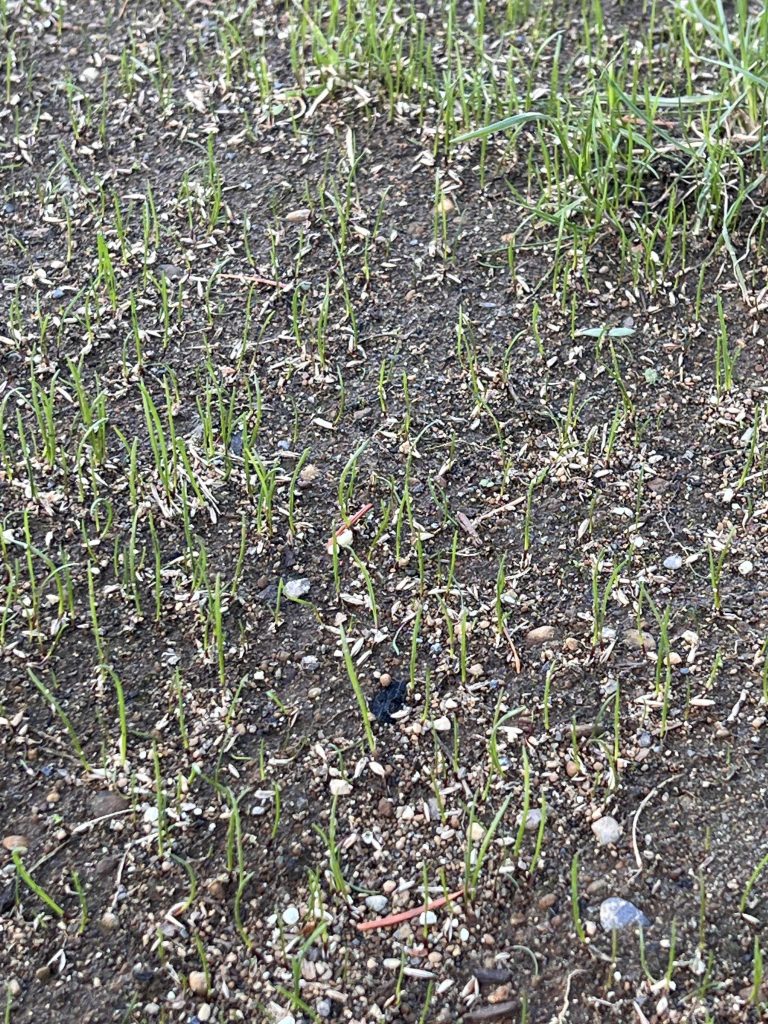
Yes, ryegrass does spread, often quickly and effectively, making it a popular choice for lawns and fields. If you’re wondering whether this grass will take over your yard, the answer is generally yes—it spreads through both seeds and complex underground runners called rhizomes, allowing it to cover large areas in a short amount of time.
Ryegrass is known for its rapid growth and aggressive spreading habits, which can be both a blessing and a challenge for homeowners and landscapers alike. It’s particularly favored in cool-season climates because of its lush appearance and durability. However, its propensity to spread can sometimes lead to it overtaking other grasses or plants, especially if not managed properly. Whether you’re planting ryegrass for a quick, dense cover or trying to control its growth, understanding how it spreads is key to maintaining a balanced and healthy lawn.

Does Ryegrass Spread? An In-Depth Look at Ryegrass Growth and Movement
Understanding Ryegrass and Its Growth Habits
Ryegrass is a popular grass variety used for lawns, sports fields, and pastures because of its quick growth and lush appearance. It is a cool-season grass, meaning it thrives during cooler months and can grow rapidly when conditions are right. One of the key questions homeowners and gardeners ask is whether ryegrass *spreads* naturally across a lawn or field.
Ryegrass spreads mainly through **two methods**: seed dispersal and vegetative growth. Knowing these mechanisms helps in managing how ryegrass takes over areas and how to control or encourage its spread.
How Does Ryegrass Spread Through Seeds?
The most common way for ryegrass to spread is by producing seeds that germinate and grow into new plants.
Seed Production and Dispersal
Ryegrass plants produce numerous tiny seeds, typically from late spring to early summer. These seeds are usually dispersed by wind, animals, or rain, which carry them to different areas of the lawn or field.
Once in the soil, the seeds can remain dormant until conditions are favorable, at which point they sprout and grow into new ryegrass plants. This process allows ryegrass to rapidly expand across open areas, especially if the climate supports quick germination.
Factors Affecting Seed Spreading
The spread via seeds is influenced by:
- Seed viability and freshness
- Weather conditions, like wind and rain
- Presence of animals that may carry or disturb seeds
- Soil disturbance that exposes seed beds
If your lawn receives consistent rainfall and has good airflow, ryegrass seeds can spread faster and more effectively.
Vegetative Growth and Rhizomes
Apart from seed dispersal, ryegrass can also spread through vegetative means, especially through **creeping and spreading runners**.
What Are Runners?
Runners are horizontal stems that grow just below or along the soil surface. These stems produce roots and shoots at nodes, establishing new plants along the way. This method allows ryegrass to form dense, sprawling mats without relying solely on seed production.
Ryegrass and Its Spreading Roots
Certain types of ryegrass, such as perennial ryegrass, have an active ability to spread through these runners. As they extend outward, they create a thick turf and fill in bare spots naturally.
Vegetative spread is common in well-watered or fertilized lawns, where the plant’s energy supports rapid runner development.
Conditions That Promote Ryegrass Spread
The rate at which ryegrass spreads depends heavily on environmental factors and care practices.
Optimal Conditions for Rapid Spread
Ryegrass prefers:
- Temperatures between 55°F and 75°F (13°C to 24°C)
- Consistent moisture and watering
- Well-draining, fertile soil
- Partial to full sunlight
When these conditions are met, ryegrass can proliferate quickly, especially through seed germination and runner extension.
Impact of Mowing and Maintenance
Regular mowing encourages ryegrass to spread by stimulating growth. Cutting the grass to the right height (usually around 2 to 3 inches) promotes healthy runner development and seed production, aiding in spread.
Conversely, overly aggressive mowing or removal of seed heads can slow down its spread, helping maintain a desired lawn density.
Controlling and Managing Ryegrass Spread
While spreading can be beneficial in establishing a lush turf, it can also become invasive or unwanted in some settings.
Preventative Measures
To limit ryegrass spread:
- Use proper lawn maintenance techniques
- Regularly dethatch and aerate the soil
- Apply lawn herbicides targeted at ryegrass if needed
- Remove seed heads before they disperse seeds
For areas where you want to prevent ryegrass from taking over, physical barriers or selective herbicides are helpful.
Encouraging Ryegrass Spread for a Thick Lawn
If you aim to have a dense, ryegrass-dominant lawn, maintaining consistent moisture, applying fertilizer, and overseeding annually will help. These practices support vigorous seed germination and root growth, leading to natural and rapid spread.
Related Topics: Ryegrass vs Other Grasses
Understanding how ryegrass compares to other grasses can help you make planting decisions.
Ryegrass vs Kentucky Bluegrass
While ryegrass spreads quickly via seed and runners, Kentucky bluegrass primarily spreads through rhizomes, forming a dense turf. Ryegrass is easier to establish rapidly but may not be as durable long-term as bluegrass.
Annual vs Perennial Ryegrass in Spread
Annual ryegrass germinates quickly and spreads by seed, but its life cycle ends after one year. Perennial ryegrass, however, can spread through runners and seed annually, creating more persistent coverage.
Summary of Ryegrass Spreading Characteristics
| Spreading Method | Description | Key Factors | Speed of Spread |
|——————|————–|————–|—————–|
| Seed Dispersal | Seeds carried by wind, animals, and rain | Climate, seed viability, soil disturbance | Fast in favorable conditions |
| Vegetative Runners | Horizontal stems root and produce new plants | Water, fertility, mowing height | Moderate to fast depending on care |
Understanding these features helps in planning proper lawn care, whether you want to encourage or control ryegrass spread.
In summary, ryegrass *does spread* effectively through both seed dispersal and vegetative runners. Its ability to rapidly fill in bare spots makes it a top choice for quick lawn establishment but also requires management to prevent unwanted spreading. With the right knowledge about its growth habits and environmental needs, you can control ryegrass’s spread to suit your landscaping goals. Whether you’re aiming for a lush, dense turf or trying to prevent invasion in certain areas, understanding how ryegrass spreads is essential for maintaining a healthy, attractive lawn.
Perennial Ryegrass Pros and Cons
Frequently Asked Questions
How does ryegrass spread across a lawn or field?
Ryegrass spreads primarily through seed production. Each plant produces numerous seeds that are easily dispersed by wind, water, or foot traffic. Once the seeds land in suitable soil, they germinate and develop into new plants. Additionally, some varieties of ryegrass can also spread through tillering, where the grass produces new shoots from the base, helping it to expand across an area.
Can soil conditions affect the rate at which ryegrass spreads?
Yes, soil conditions significantly influence ryegrass’s spreading ability. Well-drained, fertile soils promote healthy root development and seed germination, leading to faster spread. If the soil is compacted, poorly drained, or lacks nutrients, ryegrass may spread more slowly or struggle to establish. Proper soil preparation and maintenance help ensure the grass can propagate effectively.
Does ryegrass spread quickly in shady areas?
Ryegrass generally prefers full sun but can tolerate some shade. In shaded areas, its growth rate may slow down because of reduced sunlight, which can limit seed production and tillering. As a result, ryegrass tends to spread less vigorously under dense shade, and additional planting or overseeding might be necessary to encourage uniform coverage.
Are there mowing or maintenance practices that influence how ryegrass spreads?
Regular mowing and proper lawn care support even ryegrass growth and spread. Mowing at the correct height encourages dense growth and prevents the grass from becoming too tall or patchy. Removing thatch and aerating the soil can improve seed-to-soil contact and nutrient absorption, which promotes spreading. Overwatering or underwatering can hinder growth, so consistent maintenance plays a vital role.
What role do neighboring plants play in the spread of ryegrass?
Neighboring plants can either hinder or facilitate ryegrass spread depending on their type. Competitive weeds or overgrown shrubs can shade or crowd out ryegrass, limiting its ability to spread. Conversely, compatible grasses and ground covers can create a supportive environment, helping ryegrass establish and expand more quickly. Proper management of surrounding vegetation ensures healthy propagation.
Final Thoughts
Ryegrass is known for its quick growth and ability to establish a lush lawn. Its spreading nature depends on the type, with perennial ryegrass spreading through tillers and seed dispersal.
Yes, ryegrass does spread, especially in suitable conditions and when properly maintained. It quickly fills in bare patches, creating a dense, even turf.
Understanding how ryegrass spreads helps you manage your lawn effectively. Regular mowing and watering promote healthy growth, ensuring the grass spreads evenly.